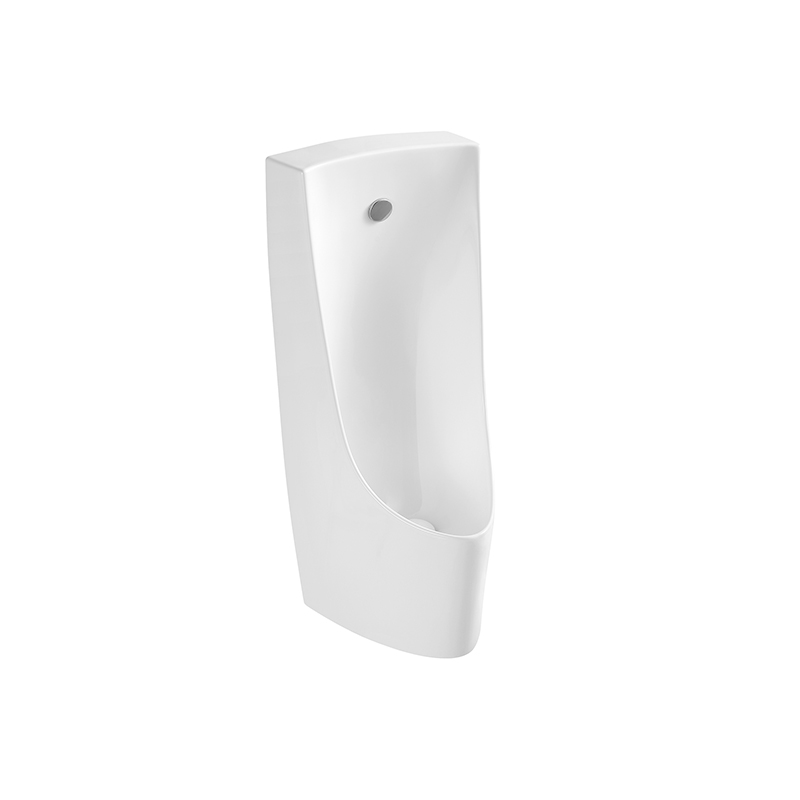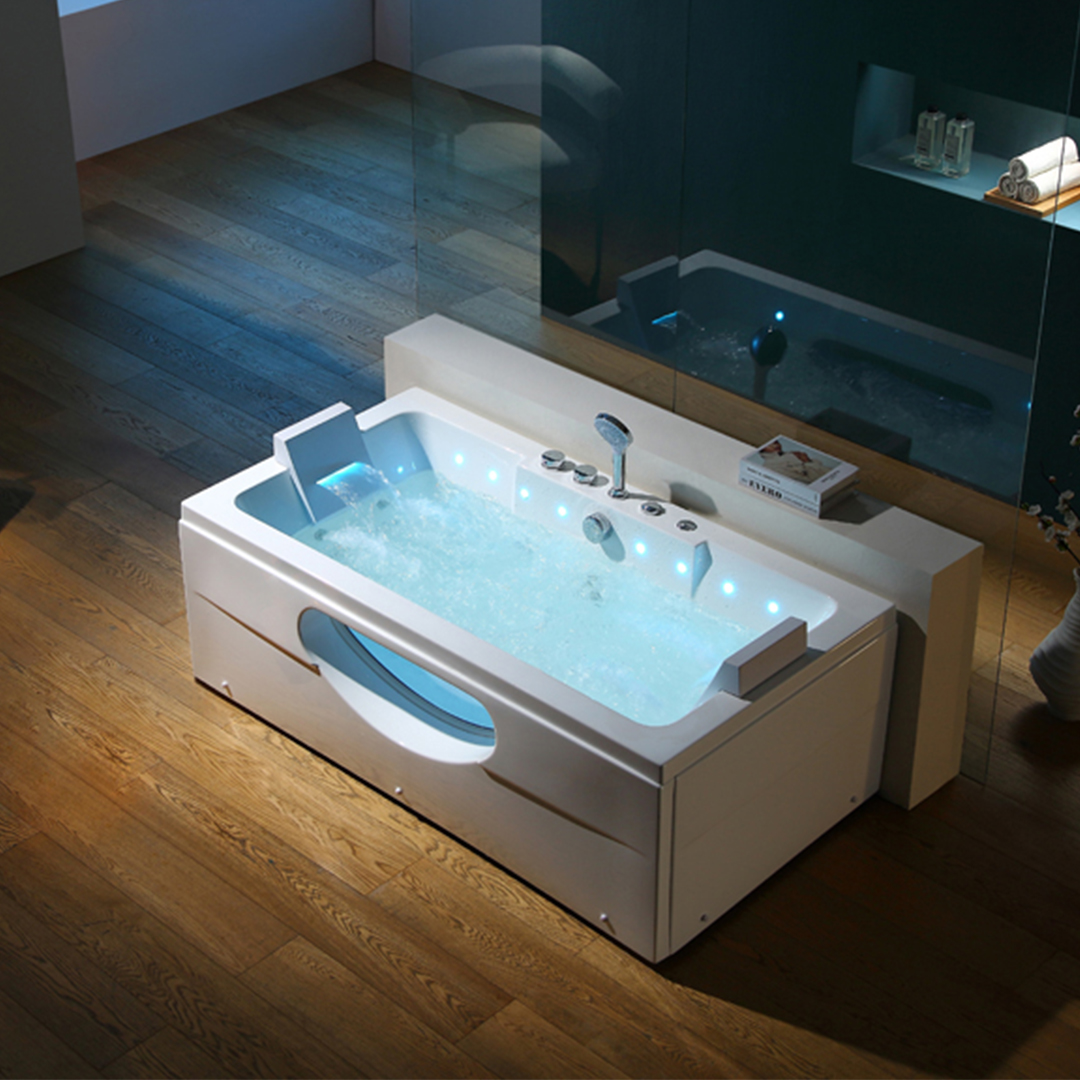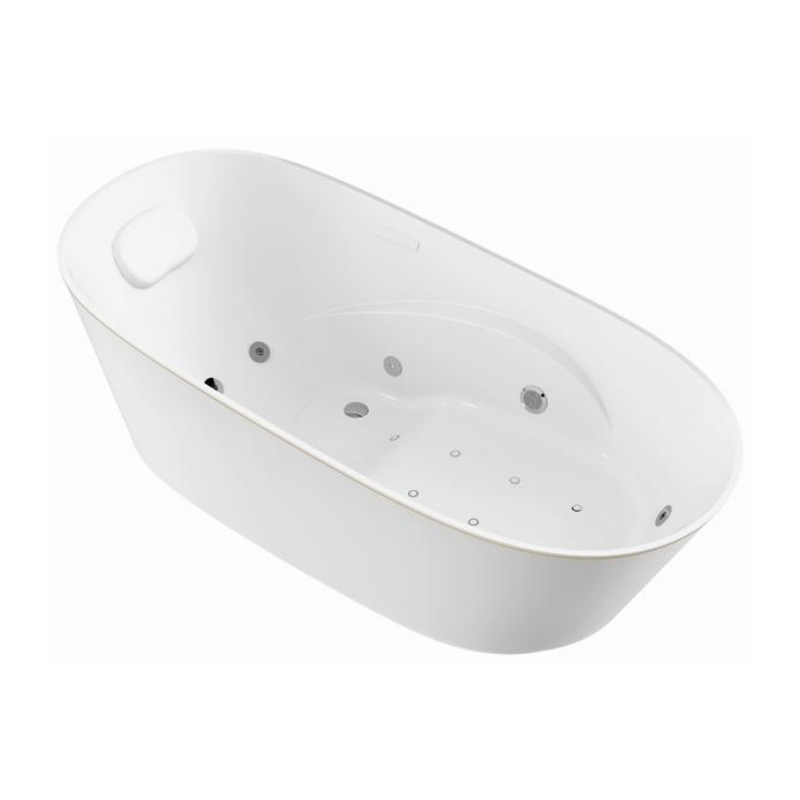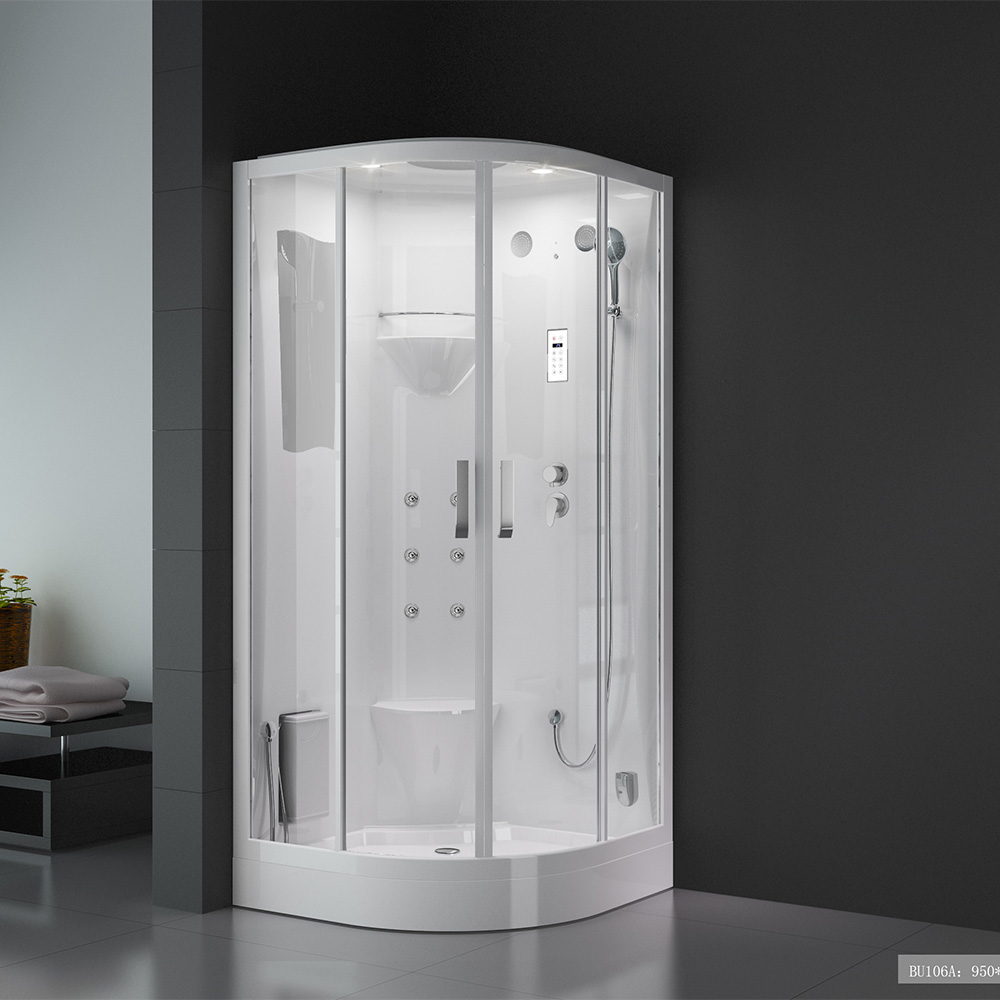
Featured Products for Sliding Door Bathroom Remodeling
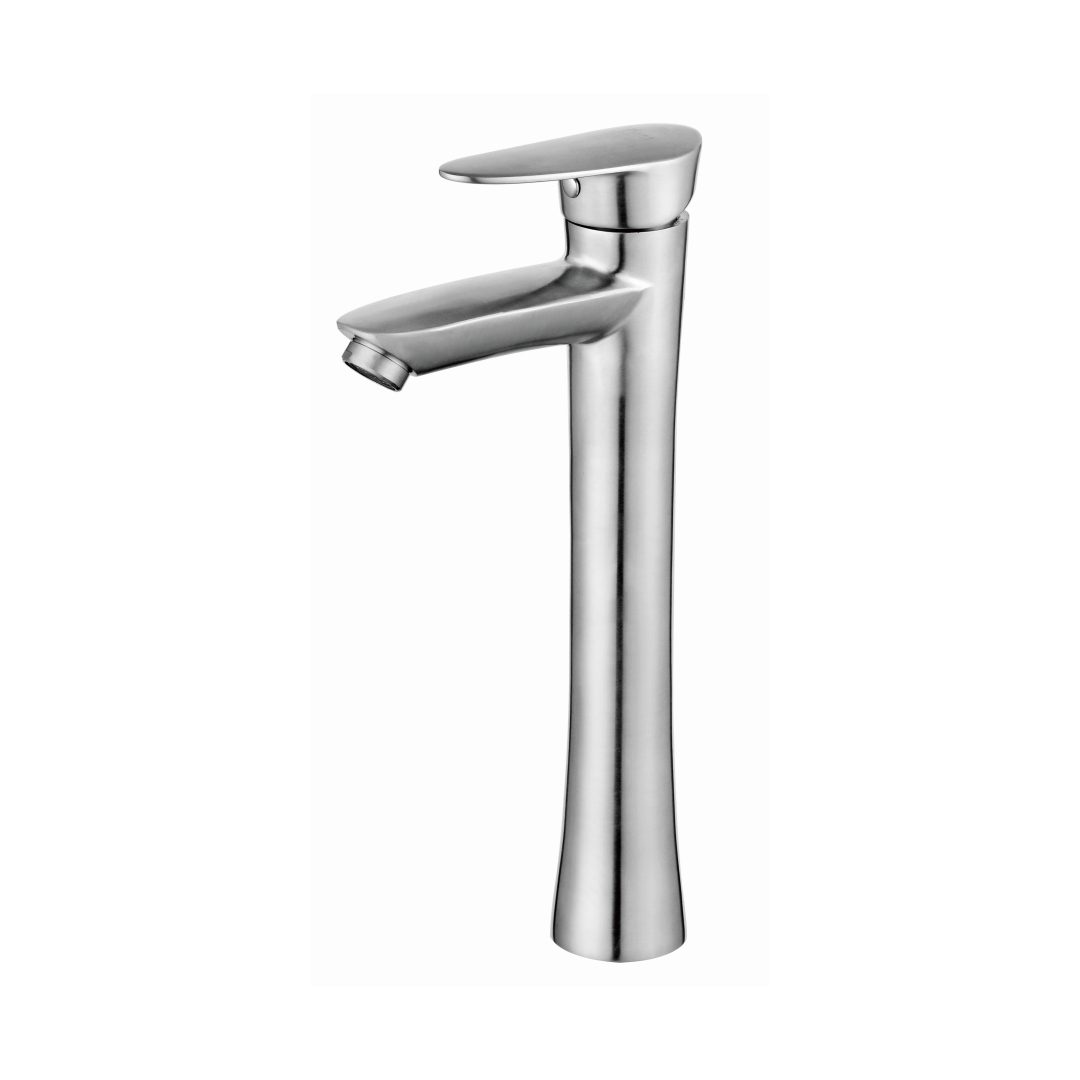
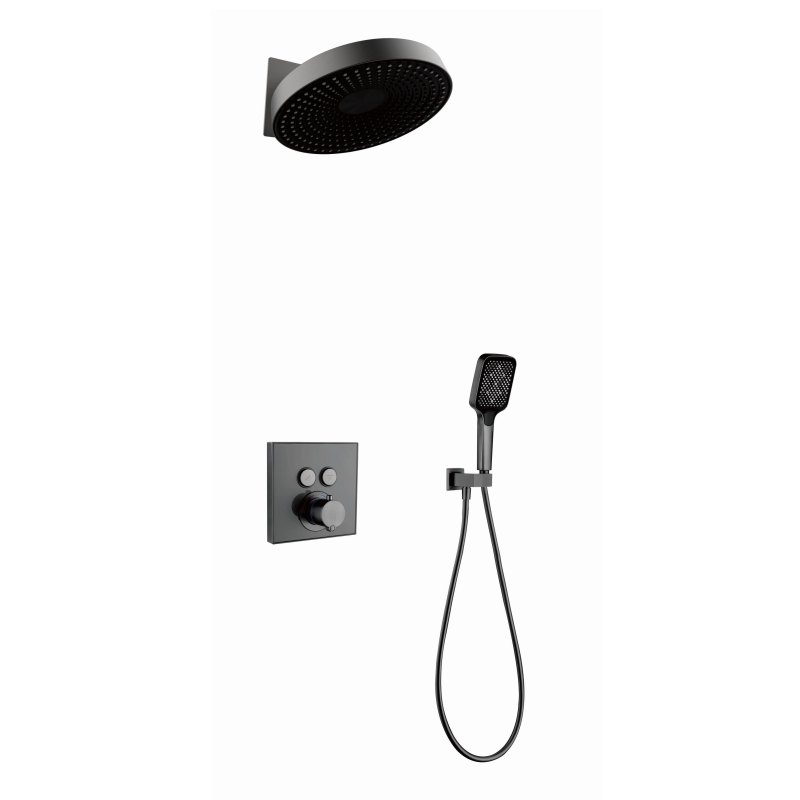
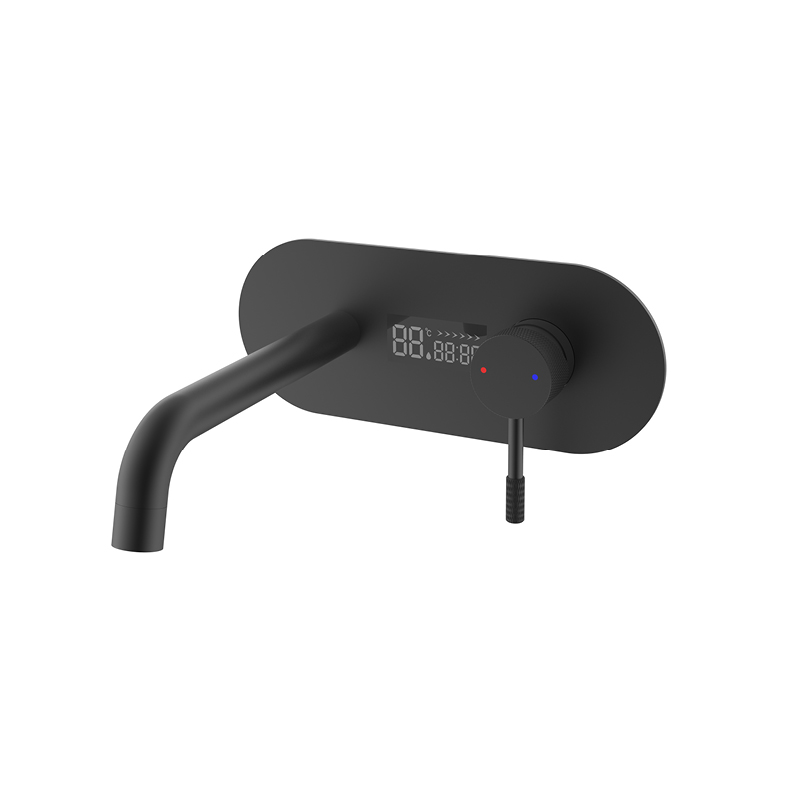
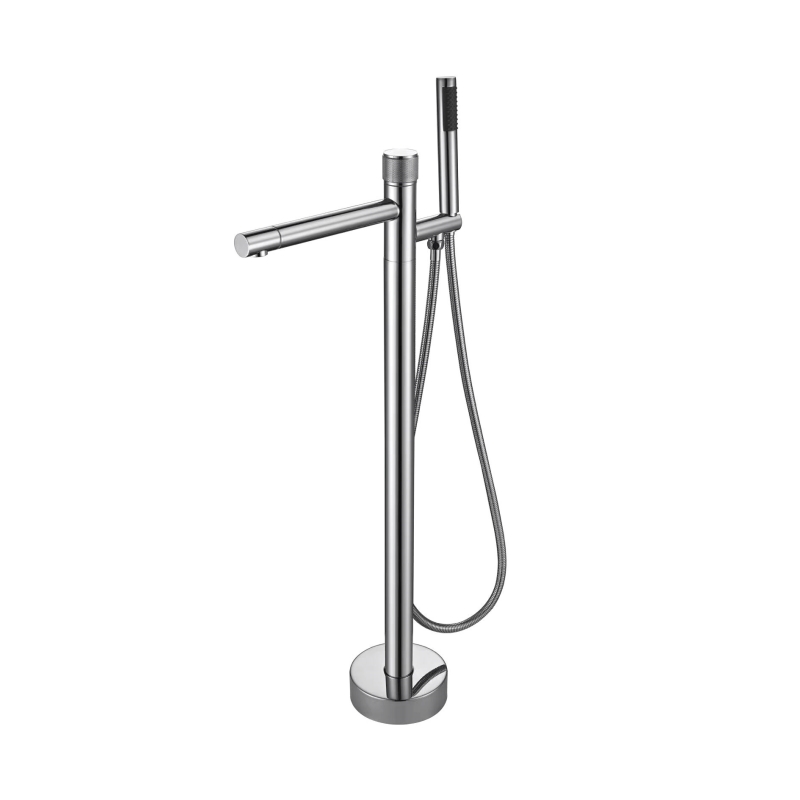
Select premium fittings and accessories engineered to integrate seamlessly with modern sliding glass enclosures.
The Market & Evolution of Sliding Door Bathrooms
In contemporary residential architecture, the bathroom has transitioned from a purely utilitarian space into a private wellness sanctuary. As urban living spaces become more compact, the demand for space-efficient, aesthetically refined, and highly functional interior layouts has surged. Consequently, sliding door installations for bathrooms have emerged as a dominant design trend in home remodeling projects worldwide.
Unlike traditional swing doors that require a significant clearance radius, sliding doors run parallel to the wall or slide within a pocket, reclaiming valuable square footage. This spatial optimization directly impacts the overall design potential of the bathroom, allowing homeowners to install larger vanities, freestanding bathtubs, or more spacious shower enclosures. The global sliding door bathroom market is experiencing robust growth, driven by innovations in glass technology, minimalist hardware engineering, and a growing consumer preference for open-concept master suites.
From an industrial perspective, manufacturers are continuously refining the structural integrity of sliding door systems. The incorporation of heavy-duty tempered safety glass, sound-dampening rollers, and corrosion-resistant metal tracks ensures that modern sliding doors are not only beautiful but also built to withstand the high-humidity environment of residential bathrooms. Understanding the cost structures and application scenarios of these systems is vital for homeowners planning a remodeling project.
Sliding Door Bathroom Price Breakdown
When budgeting for a residential interior bathroom remodel, understanding the cost variables of sliding doors is essential. The price of a sliding door bathroom setup is determined by several core factors, ranging from raw materials to structural modifications and professional installation labor.
1. Material & Glass Specifications
The type and thickness of the glass are primary cost drivers. Standard sliding shower doors typically feature 6mm to 8mm tempered glass. Premium installations utilize 10mm or 12mm heavy-duty tempered glass, which offers superior structural stability and a high-end feel. Additionally, specialized glass treatments—such as low-iron glass (for crystal-clear transparency) or hydrophobic coatings (to repel water and prevent limescale buildup)—will add to the material cost but significantly reduce long-term maintenance efforts.
2. Hardware & Finish Quality
The track and roller mechanism dictate the smoothness and lifespan of the door. Stainless steel (Grade 304) and solid brass hardware command a premium price compared to aluminum alternatives. Furthermore, the choice of finish—such as matte black, brushed gold, polished chrome, or oil-rubbed bronze—affects the price. PVD (Physical Vapor Deposition) coatings, which provide exceptional resistance to scratches and tarnishing, represent the upper echelon of hardware investments.
3. Framing Configurations
Homeowners can choose between framed, semi-frameless, and completely frameless sliding door designs. Frameless systems require thicker glass and precision-engineered structural hardware to ensure safety, making them the most expensive option. Framed systems, while more budget-friendly, have more visible metal borders which may disrupt the minimalist aesthetic desired in modern remodeling projects.
4. Labor and Structural Customization
Installation labor is a crucial component of the overall sliding door bathroom price. If the remodeling project requires converting a standard swing door wall into a pocket door system, structural modifications to the drywall and framing are necessary. Precision alignment is required for frameless glass panels; even a minor measurement error can lead to water leakage or structural binding. Hiring certified professional installers guarantees longevity and safety but increases upfront labor costs.
Deep Application Scenarios in Residential Remodeling
Sliding doors are highly versatile architectural elements that can be customized for various layout challenges. Here is an analysis of how they are applied across different residential interior scenarios:
Scenario A: The Compact Urban Guest Bath
In metropolitan apartments where every inch of floor space is critical, a standard swing door can block access to the toilet or sink when opened. Implementing a bypass sliding shower door or a pocket entry door eliminates this conflict. This layout allows for a more fluid traffic flow and enables the placement of modern, wide-basin vanities and compact wall-mounted toilets without compromising accessibility.
Scenario B: The Luxury Master Suite Oasis
Modern master bedroom designs often favor an integrated, open-plan layout where the bedroom transitions smoothly into the bathroom. A large, double-sliding glass barn door acts as a sophisticated visual partition. Using frosted, tinted, or smart switchable glass allows homeowners to maintain privacy when needed while preserving the spacious, light-filled atmosphere of the suite when open.
Scenario C: Universal Design & Accessibility (Aging-in-Place)
For multi-generational homes, barrier-free entry is a primary consideration. Sliding doors with low-profile or recessed floor tracks eliminate tripping hazards and provide wider entry clearance compared to traditional doors. This configuration makes it significantly easier for individuals with mobility aids or wheelchairs to navigate the bathroom space safely and independently.
Future Trends: Smart Technology & Minimalist Aesthetics
The future of residential bathroom remodeling lies at the intersection of technology and minimalism. One of the most exciting advancements is the integration of electrochromic "smart glass" into sliding doors. With the touch of a button or a voice command integrated into a smart home system, the glass can transition from completely transparent to opaque, providing instant privacy without the need for dusty curtains or blinds.
Additionally, hardware manufacturers are focusing on invisible engineering. Soft-close damping mechanisms are becoming standard, preventing the glass from slamming and reducing the risk of fracture. Track systems are being recessed directly into the ceiling and floor finishes, creating the illusion of floating glass panels that glide effortlessly. As AI-driven manufacturing processes become more prevalent, the cost of custom-cut, high-precision glass panels is expected to normalize, making luxury frameless configurations more accessible to the average homeowner.
About SSWW (Foshan Royalking Sanitary Ware Co., Ltd.)

Standing for Splendid Sanitary Ware World (SSWW), our brand has become increasingly popular in both domestic and overseas markets. This success is driven by continuous investment from Foshan Royalking Sanitary Ware Co., Ltd., a professional manufacturer specializing in comprehensive bathroom solutions for decades.
As one of the largest integrated sanitary ware manufacturers in China, SSWW currently operates two large-scale production bases staffed by over 1,000 employees. Our facilities cover more than 150,000 square meters and encompass six chain-related factories specializing in the manufacture of massage bathtubs, steam cabins, ceramic toilets, ceramic basins, shower enclosures, bathroom cabinets, hardware fittings, and accessories.
- ▼ Location: Foshan City, Guangdong Province, China
- ▼ Business Type: Manufacturer
- ▼ Year Established: 1994
- ▼ Total Employees: 1001-1500 people
- ▼ Total Annual Revenue: 150 - 170 Million USD
- ▼ Export Percentage: 10%
- ▼ Main Products: Massage bathtub, free standing bathtub, steam cabin, shower enclosure, ceramic toilet/basin, bathroom cabinet, hardware
- ▼ Major Markets: Europe, Middle East, North America, South America, North Africa, South Africa, South Asia, Domestic Market
Factory & Showroom Operations
Visit Our Showroom →With rapid development over the years, SSWW has expanded its footprint to include over 1,500 franchise shops and showrooms throughout mainland China. Concurrently, we have successfully extended our export sales to 107 countries and regions across the globe, including Germany, Switzerland, the United States, Russia, the United Kingdom, and Poland.
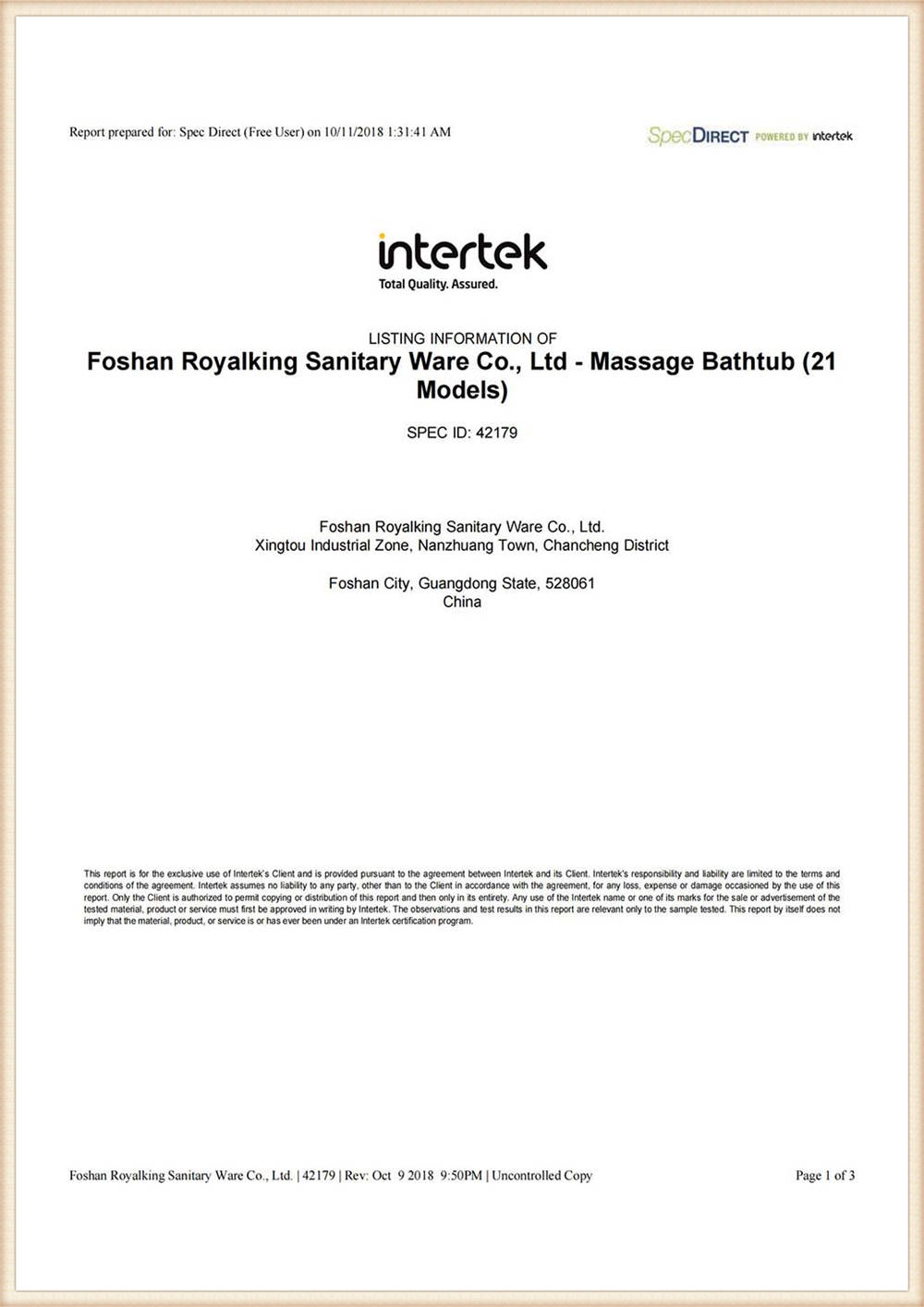
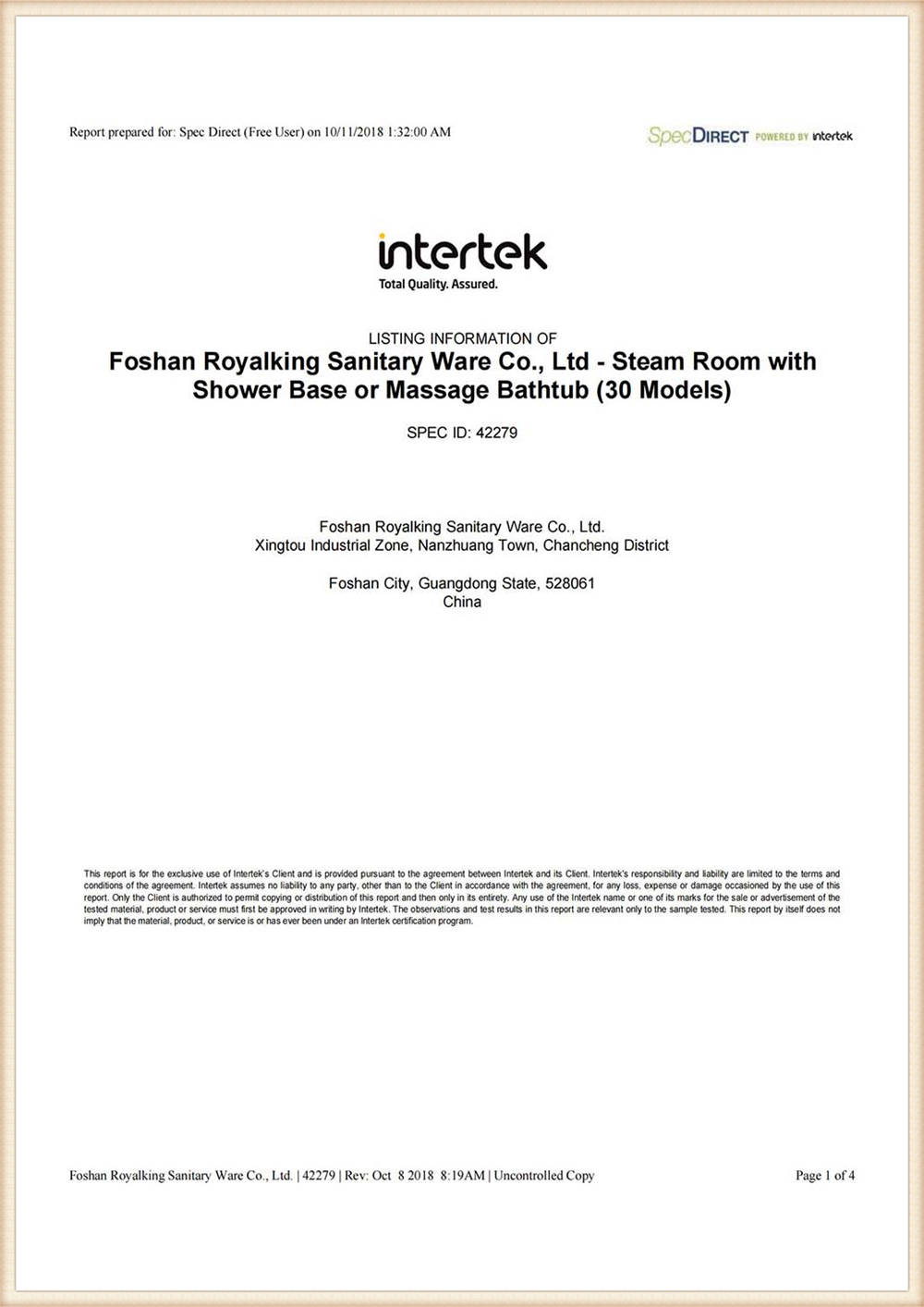
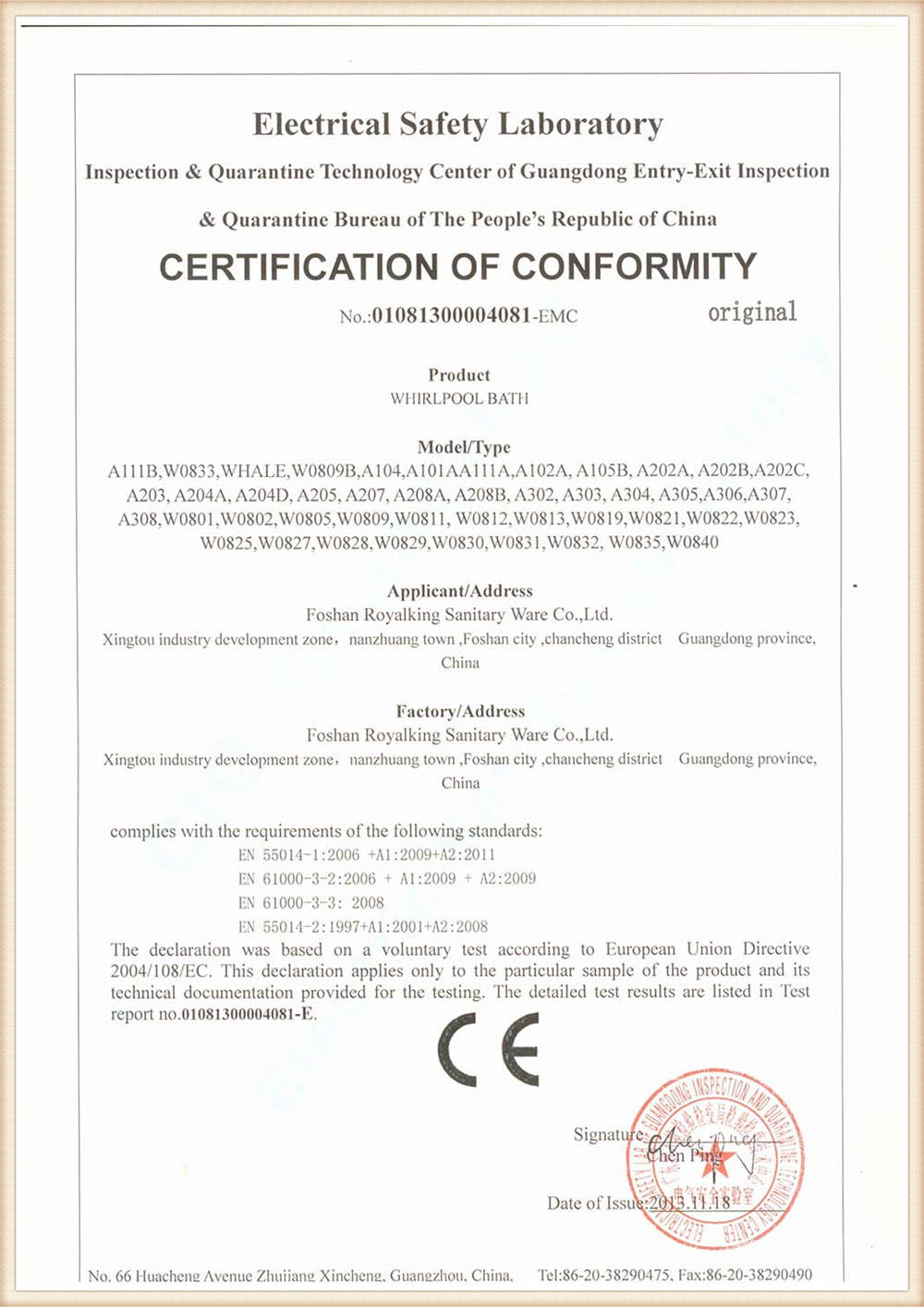
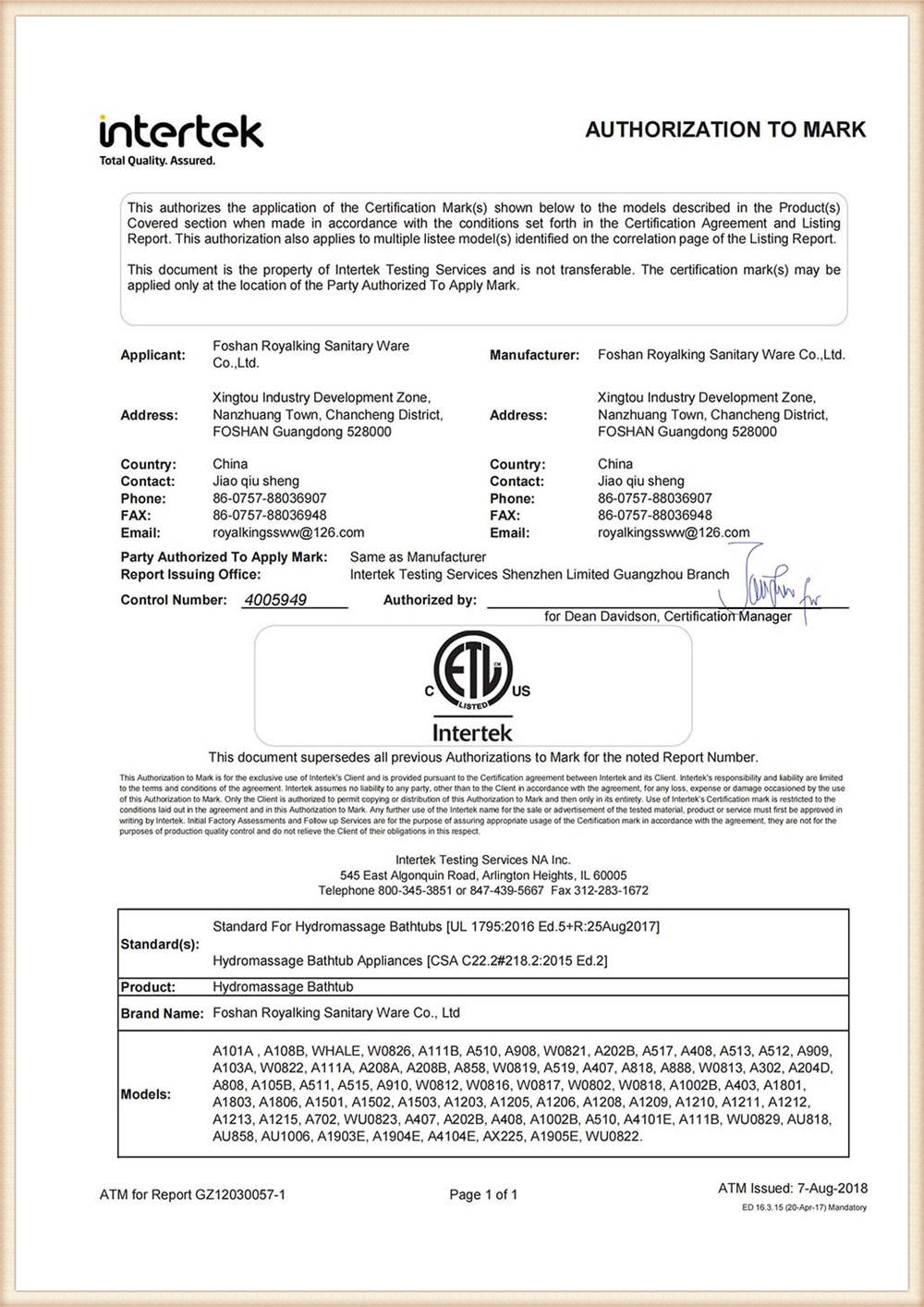
By focusing strictly on our R&D capabilities and maintaining a rigorous internal management system, SSWW prioritizes manufacturing efficiency and technology. We implement strict quality control measures across all stages of production to ensure absolute customer satisfaction. Our dedication to design innovation has yielded more than 200 patents in the intellectual property field. Our products and processes comply with top international standards and certifications, including ISO9001, CE, EN, ETL, and SASO.
Certificates & Quality Assurance


Explore the Complete Sliding Door Bathroom Collection
Enhance your residential remodeling project with our full suite of premium products, certified for durability and design excellence.