Featured Water System & Sanitary Solutions
The Evolution of Wall Mounted Water Tanks in the US
In the United States, space optimization, water conservation, and structural efficiency have become paramount in modern construction. The market for wall mounted water tanks and integrated concealed cistern systems is experiencing unprecedented growth. Traditionally, bulky overhead or ground-level tanks dominated the landscape. However, architectural shifts in high-density urban areas like New York, Los Angeles, Chicago, and San Francisco have forced engineers to seek compact alternatives.
Today, wall-mounted water storage and pressure systems are no longer niche products; they are critical components in green building designs. By mounting water management systems directly within or onto walls, commercial properties and residential complexes reclaim valuable square footage, minimize structural load footprints, and achieve sleek, minimalist interior designs.
Space Maximization
Reclaim up to 15% of floor space in tight utility closets and bathrooms by utilizing vertical wall cavities.
Reduced Infrastructure Costs
Simplified gravity-assisted hydraulics reduce reliance on high-powered booster pumps, lowering energy bills.
Localized Applications: From Smart Bathrooms to Industrial Facilities
Wall-mounted water systems serve diverse purposes across municipal, commercial, and residential sectors in the United States, adapting to strict regional environmental regulations.
Tiny Homes & ADUs
With the rise of Accessory Dwelling Units (ADUs) in California and Oregon, space-saving wall-mounted water tanks provide domestic water pressure and storage without occupying precious living space.
LEED Commercial Buildings
Modern office towers utilize wall-mounted greywater holding tanks to supply toilet-flushing mechanisms, earning significant points toward LEED green building certifications.
Emergency & Preparedness
In disaster-prone regions like Florida and Texas, secure wall-mounted emergency water storage tanks offer a reliable, gravity-fed clean water source during power outages.
Key Technological Trends & AI Integration
The water storage industry is undergoing a digital revolution. Modern wall-mounted tanks are no longer passive containers; they are active, smart appliances integrated into Building Management Systems (BMS) and IoT networks.
IoT-Enabled Level & Quality Monitoring
US commercial operators are adopting tanks equipped with ultrasonic level sensors and real-time water quality monitors. These sensors transmit data directly to cloud platforms, predicting maintenance needs before system failures occur.
Advanced Anti-Microbial Materials
Public health concerns have driven the adoption of food-grade, UV-stabilized polyethylene and high-grade stainless steel tanks embedded with silver-ion antimicrobial coatings. This prevents biofilm formation, ensuring stored water remains pure and safe.
Automated Leak Detection Systems
Integrated smart valves use AI algorithms to analyze flow patterns. If an abnormal water draw is detected—suggesting a burst pipe or slow leak behind the wall—the system automatically shuts off the supply, preventing catastrophic water damage.
Thermal Insulation Improvements
To prevent condensation and thermal loss in varying climates, manufacturers are using high-density polyurethane foam insulation layers, ensuring the tanks operate efficiently in both freezing northern winters and humid southern summers.
Global Manufacturing Powerhouse: Foshan Royalking Sanitary Ware Co., Ltd
As a premier global supplier, our manufacturing capabilities bridge high-tech engineering with everyday water utility solutions. Under the renowned SSWW brand, we deliver complete bathroom and water system integrations worldwide.
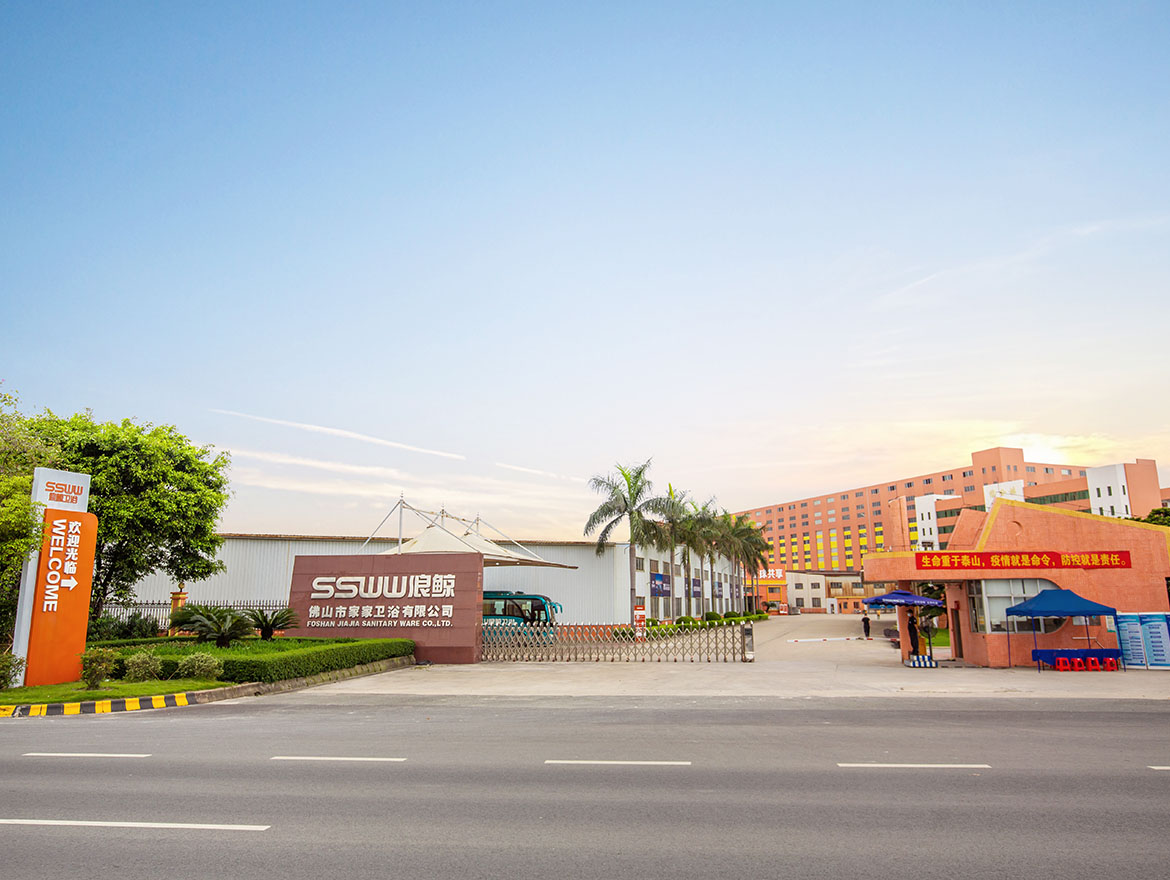
Splendid Sanitary Ware World (SSWW)
Standing for Splendid Sanitary Ware World, the SSWW brand has become increasingly popular in both domestic and overseas markets. This success is driven by continuous investment from Foshan Royalking Sanitary Ware Co., Ltd., which has specialized in comprehensive bathroom and water management solutions for decades.
As one of the largest integrated sanitary ware manufacturers in China, SSWW operates 2 massive production bases with over 1,000 employees. Spanning more than 150,000 square meters, our 6 chain-related factories manufacture everything from massage bathtubs and steam cabins to ceramic toilets, basins, and precision hardware fittings.
With rapid development over the years, SSWW has grown to establish over 1,500 shops and showrooms in mainland China. We have successfully extended our sales network to 107 countries and regions globally, including Germany, Switzerland, the USA, Russia, the UK, and Poland.
Uncompromised Quality & Global Certifications
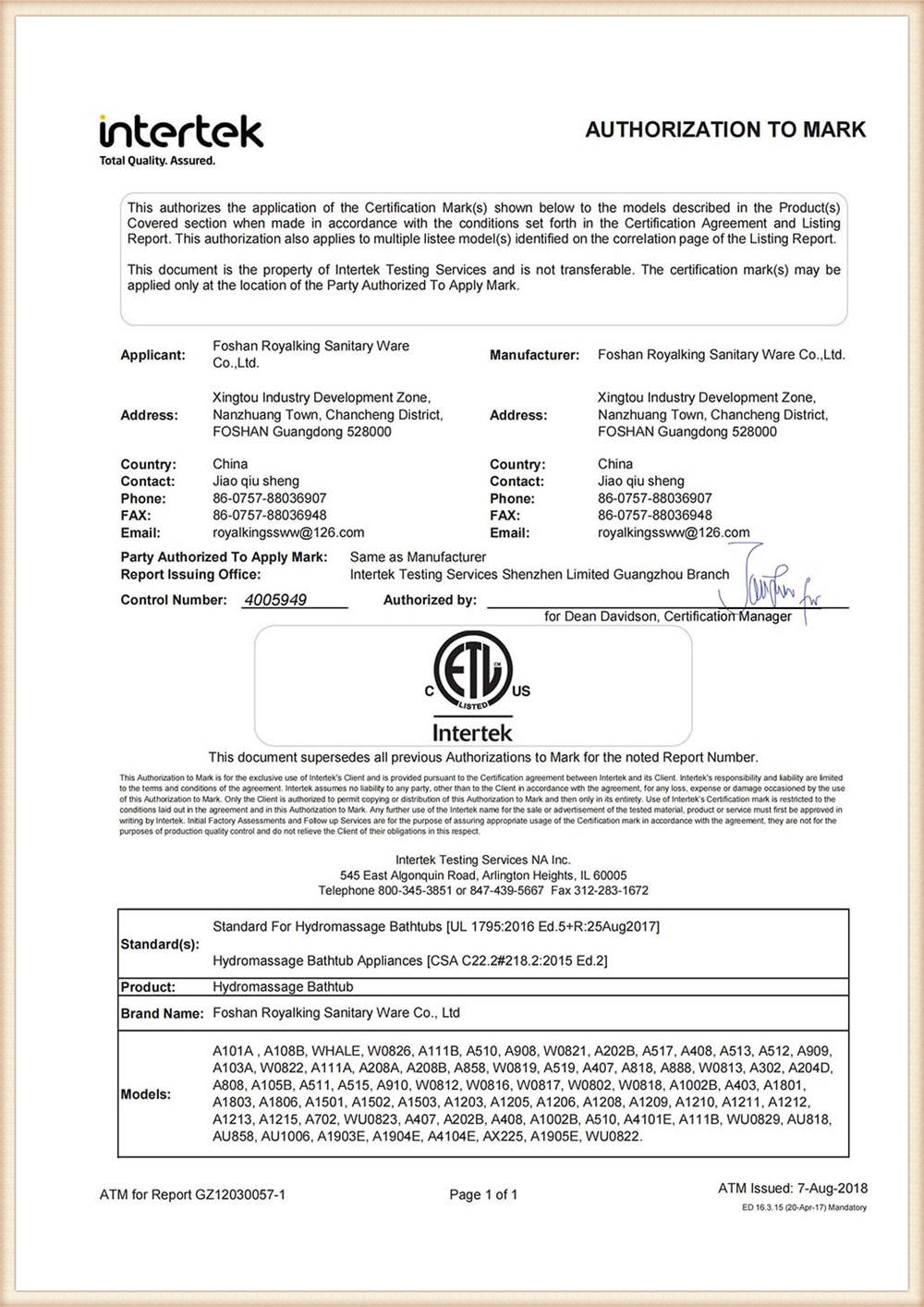
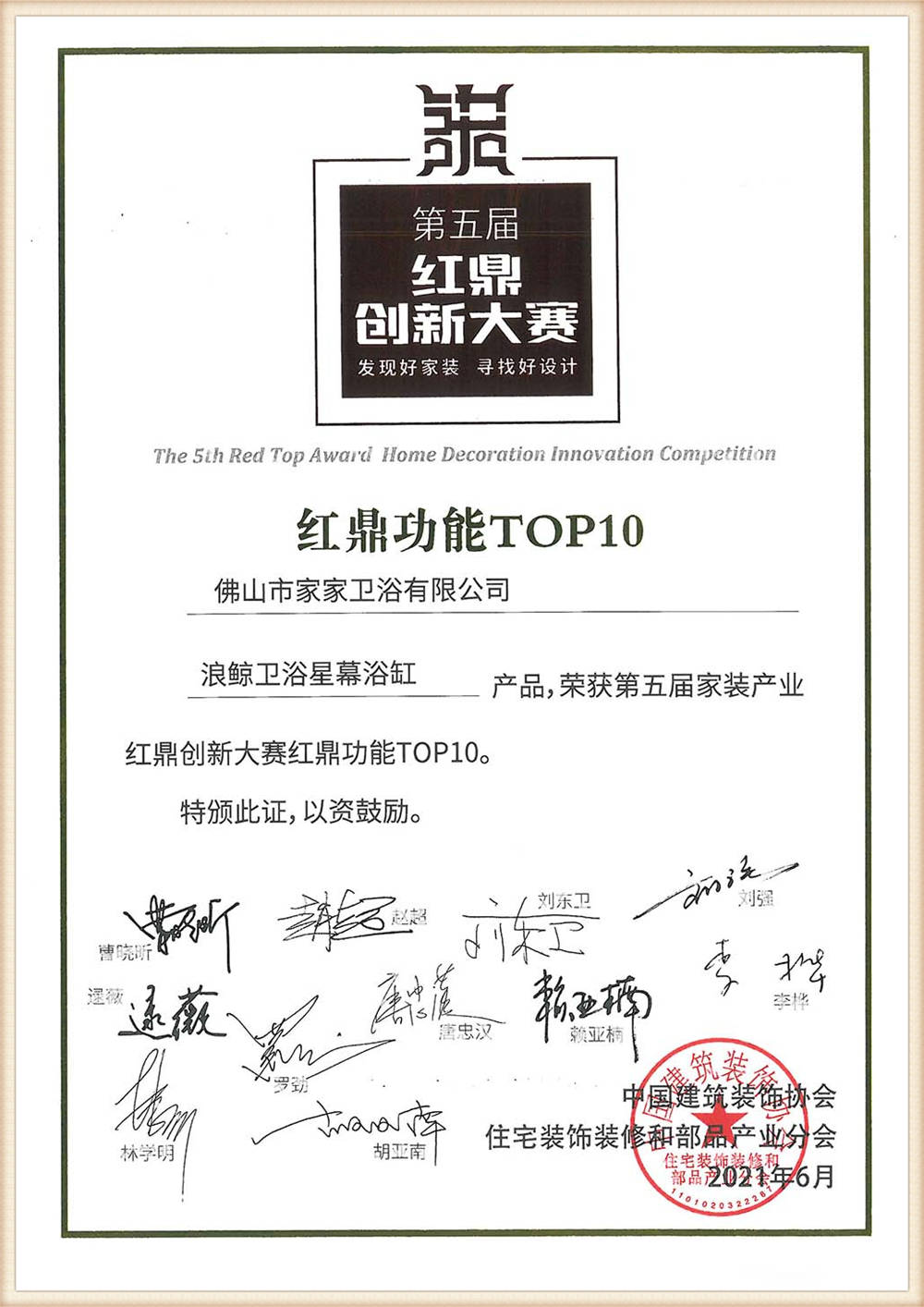
By focusing strictly on R&D and strict internal management, SSWW prioritizes efficiency, technology, and excellent quality control across all production stages to ensure maximum customer satisfaction. Our commitment to innovation has yielded more than 200 patents in the intellectual property field. We comply with major international standards and norms, including ISO9001, CE, EN, ETL, SASO, and cUPC.
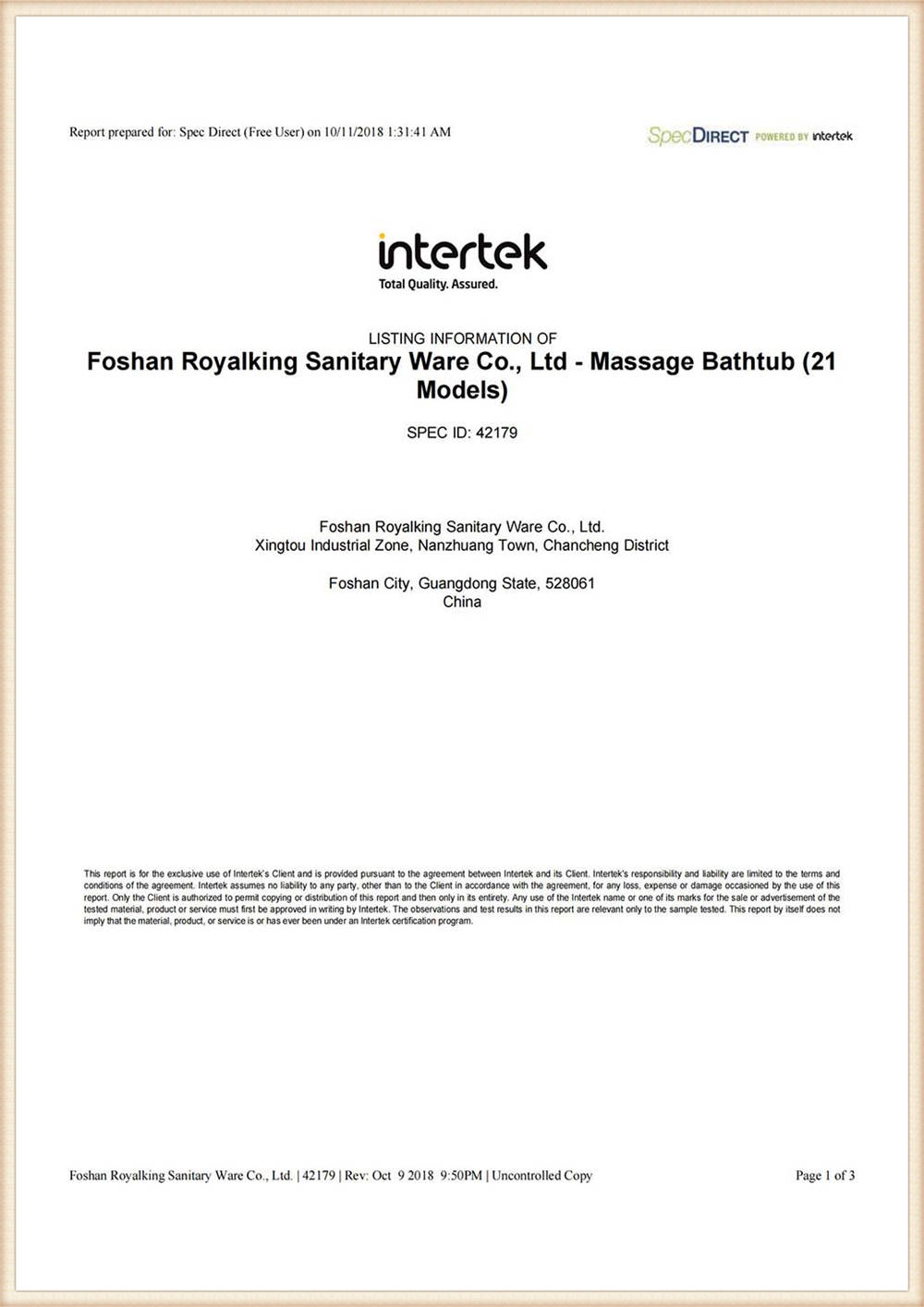
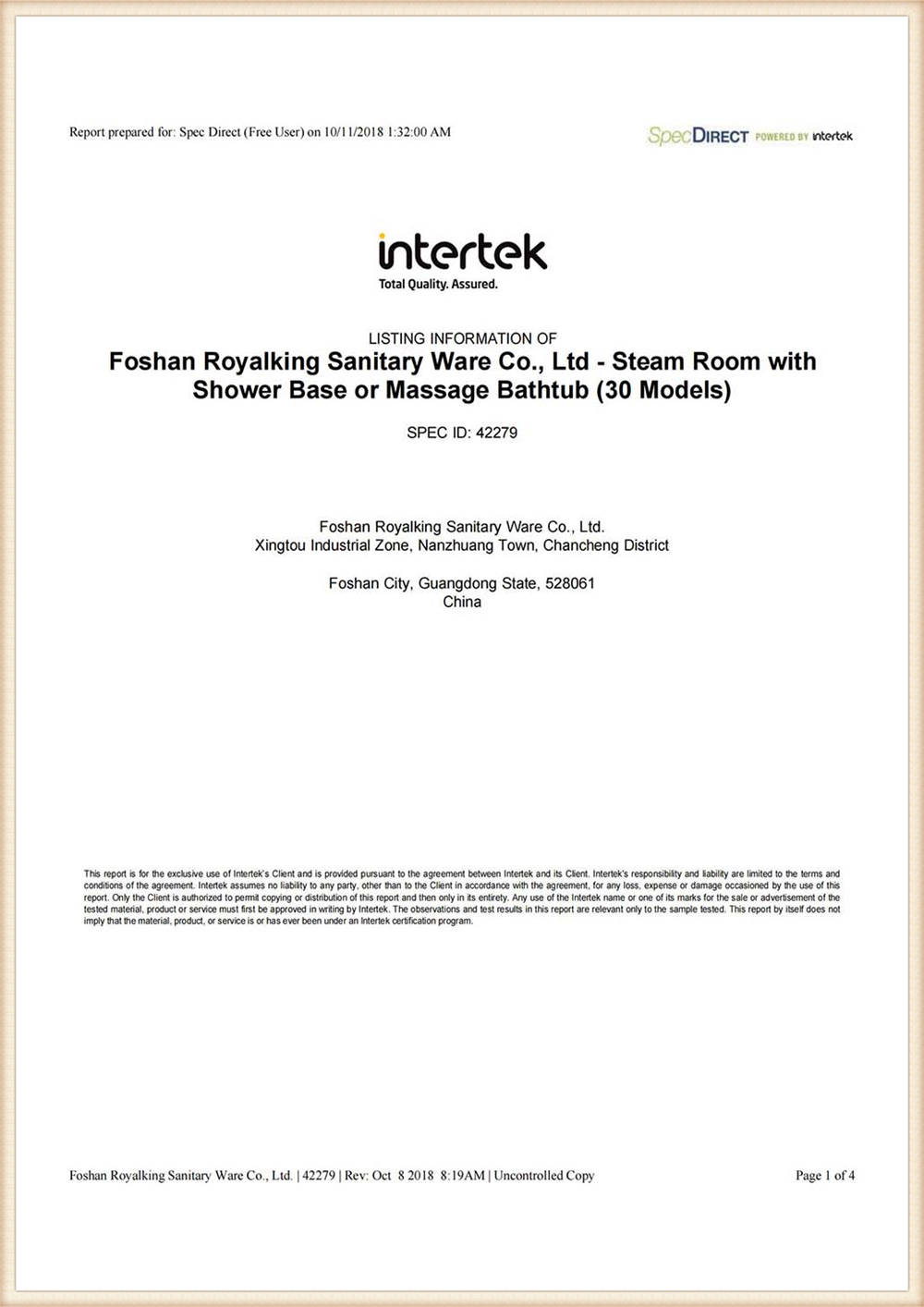
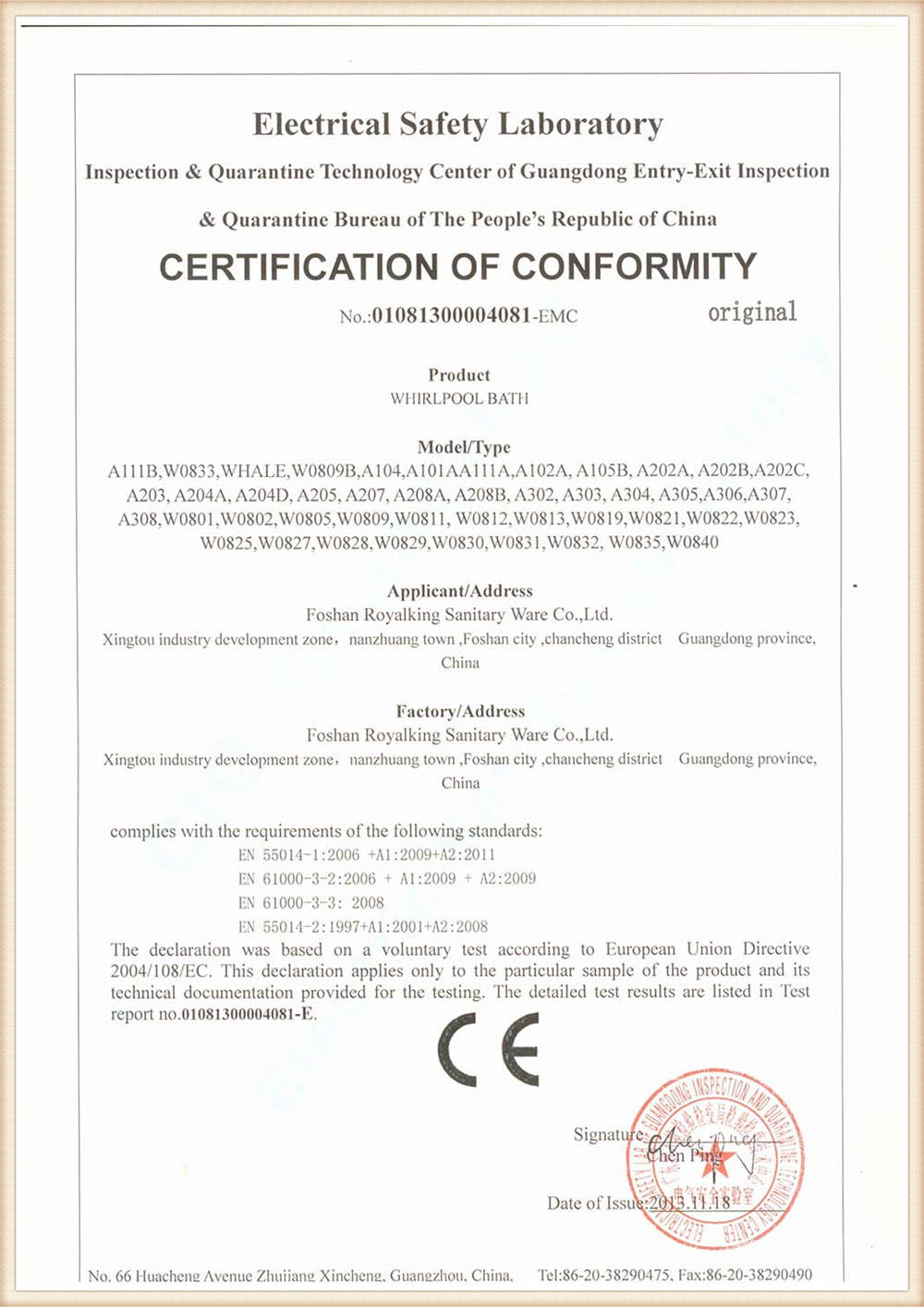

Requesting Quotes for Wall Mounted Water Systems
Getting an accurate quote requires understanding your project's specific parameters. Follow this structured guide to ensure you receive competitive and precise pricing from suppliers.
1. Define Technical Specifications
Specify the required volume capacity (measured in gallons or liters), maximum design pressure, and spatial limits of the wall cavity. For residential applications, standard 100-500 gallon slimline tanks are common, whereas commercial sites may require modular manifolds.
2. Verify Compliance & Standards
Ensure the supplier provides certifications matching local US building codes (such as NSF/ANSI 61 for drinking water, cUPC for plumbing fixtures, and UL/ETL for electrical control components).
Our Complete Product Catalog