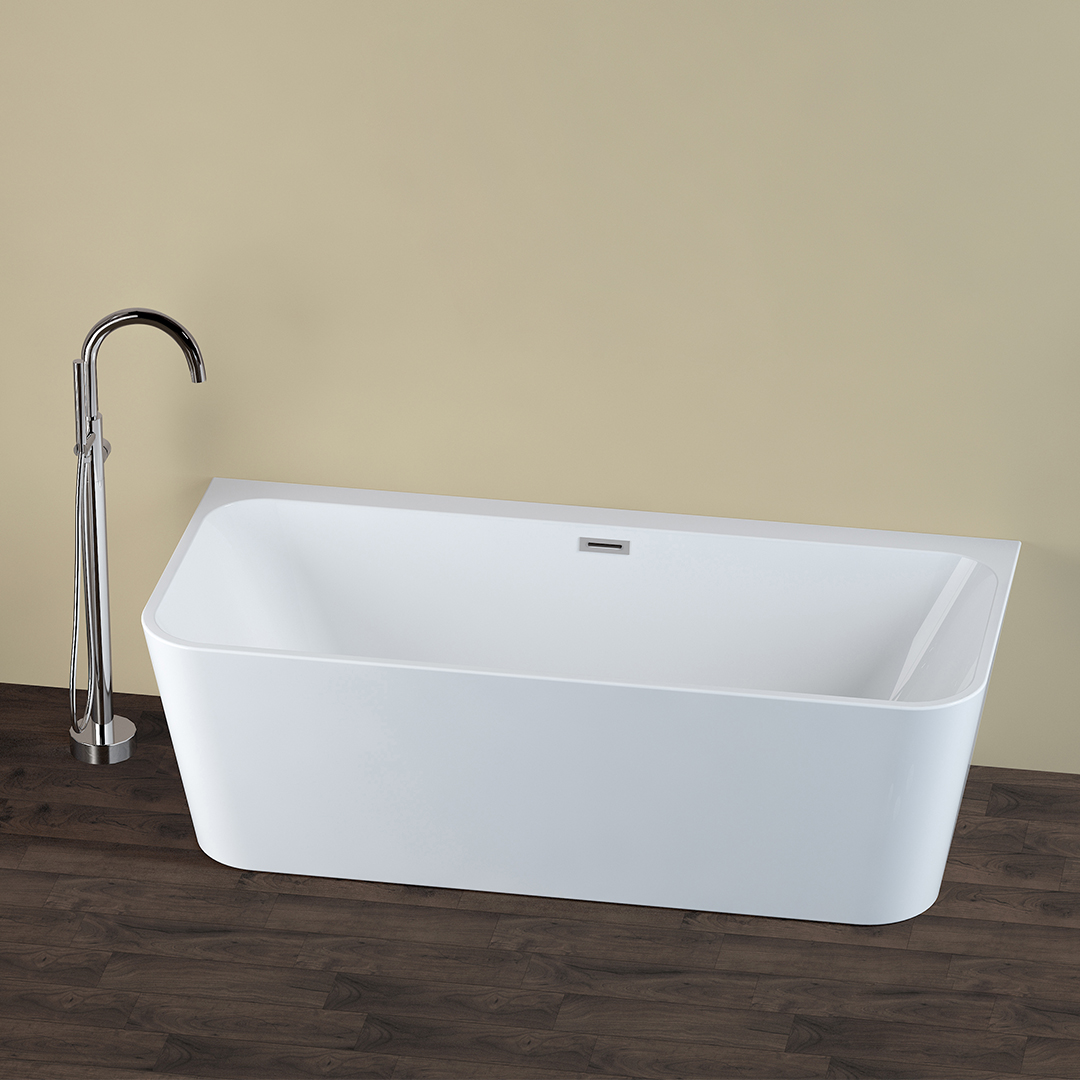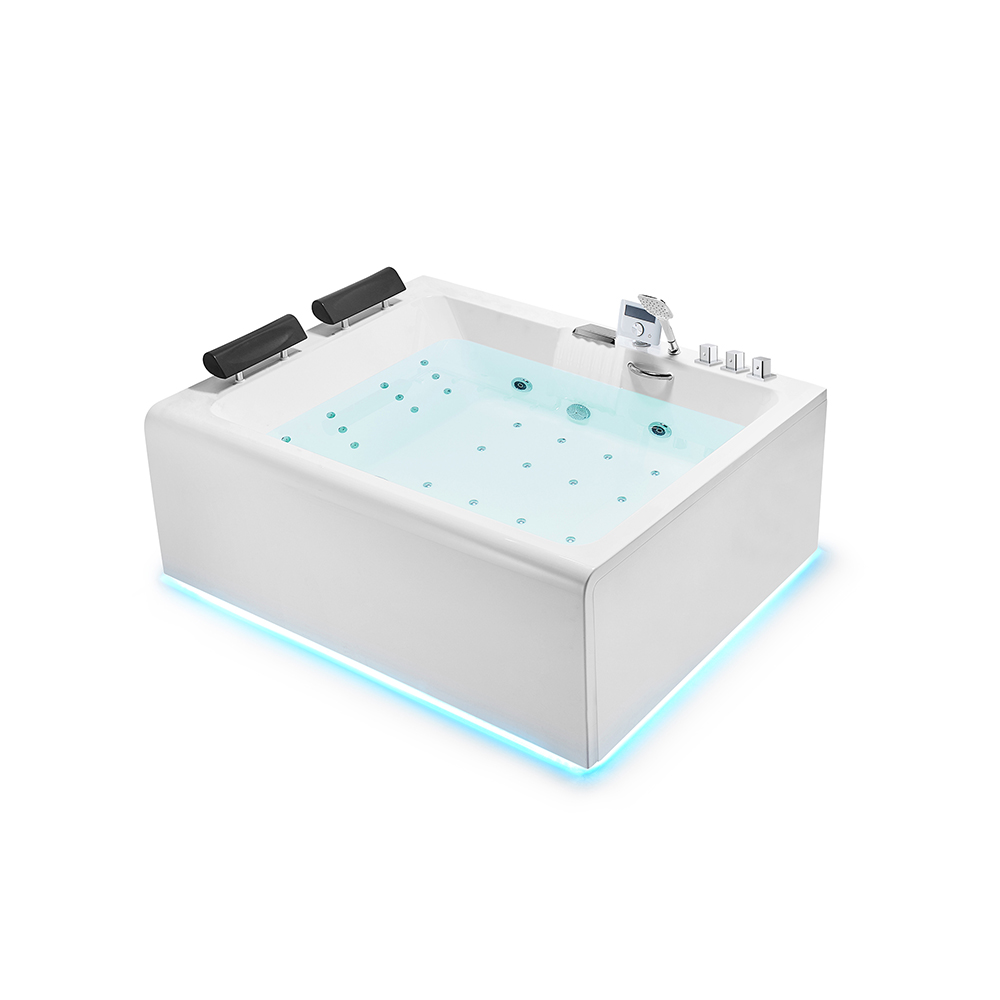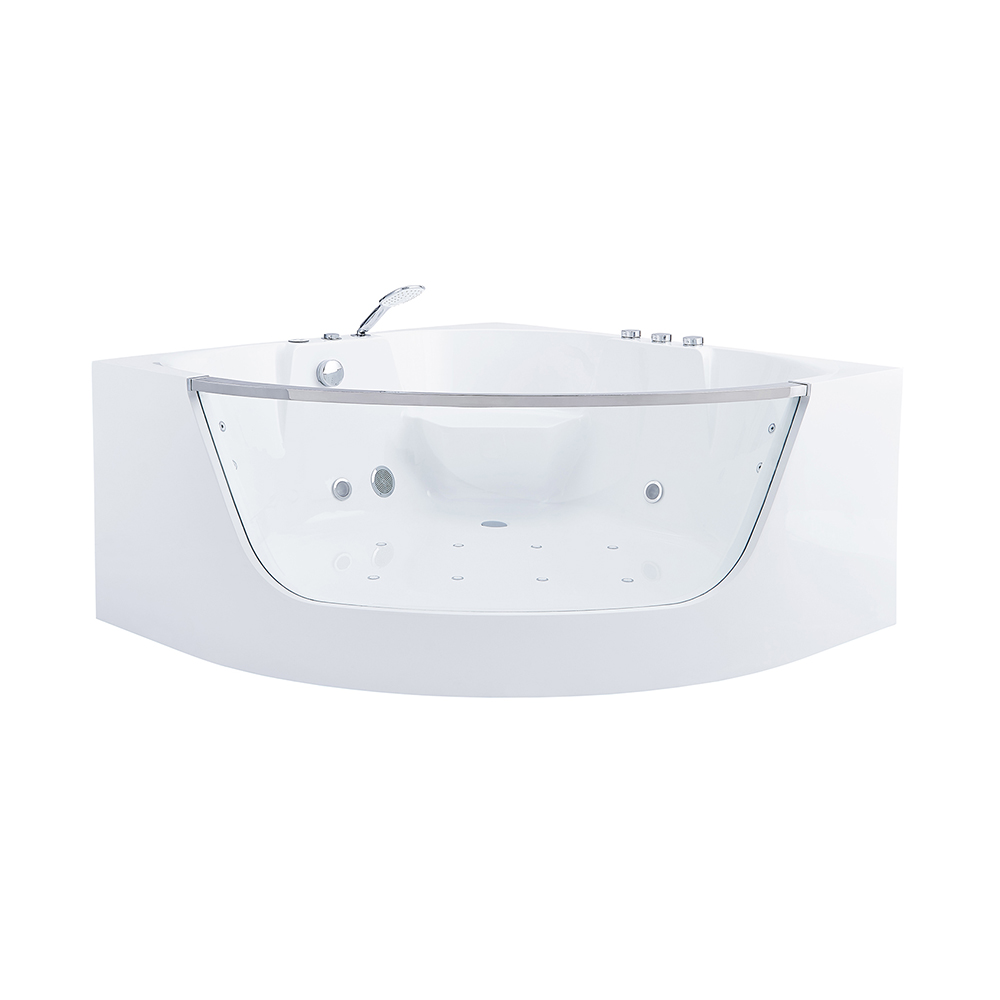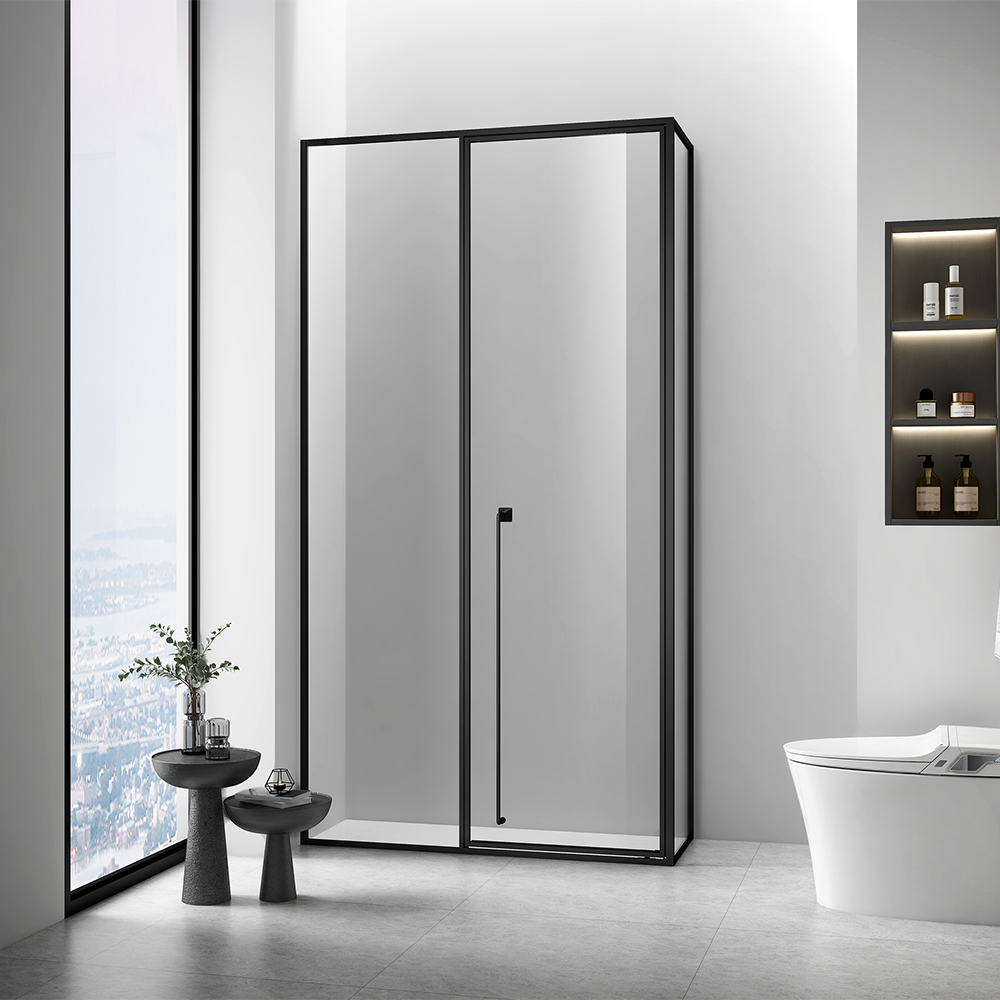
Featured Premium Bathroom Products
Discover our handpicked selection of top-tier sanitary ware, designed to optimize space and elegance in modern residential layouts.
South Korea's Sliding Door Bathroom Industry & Commercial Status
South Korea has long been at the forefront of urban architectural innovation. With major metropolitan areas like Seoul, Busan, and Incheon experiencing high population densities, the demand for space-efficient residential design has skyrocketed. The concept of the sliding door bathroom has transitioned from a niche architectural choice to a mainstream standard in modern South Korean apartments, officetels (studio apartment hybrids), and boutique hotels.
The commercial landscape for sliding door bathrooms in South Korea is highly competitive, characterized by a mix of high-tech domestic manufacturers and strategic imports. The sliding door bathroom price in South Korea is influenced by several factors:
Material Quality
Tempered safety glass (8mm to 10mm) and SUS304 stainless steel hardware dictate the baseline manufacturing cost.
Mechanism Type
Soft-closing dampening systems and magnetic seals prevent impact noise, a critical demand in quiet South Korean high-rises.
Customization
Made-to-measure glass panels designed for non-standard bathroom corners command premium pricing.
Import Logistics
Direct supply lines from advanced manufacturing hubs like Foshan, China, provide cost-effective alternatives without compromising quality.
Typically, entry-level sliding door glass enclosures in South Korea range from 350,000 KRW to 600,000 KRW (approximately $260 to $450 USD) for standard sizes. Mid-to-high-end systems featuring premium matte black or brushed gold hardware, smart glass integration, and frameless designs can range from 800,000 KRW to over 2,000,000 KRW ($600 to $1,500+ USD). Local construction firms and interior designers work closely with established global factories to balance aesthetic desires with commercial budget constraints.
Key Industry Trends: Smart Tech & Minimalist Aesthetics
The bathroom is no longer just a functional utility room; it has evolved into a personal sanctuary. In South Korea, this shift is heavily guided by the "Minimal Life" trend and the rapid adoption of Smart Home (IoT) ecosystems. Several prominent trends are currently shaping the sliding door bathroom sector:
Minimalist Frameless Designs
South Korean consumers prefer clean, unobstructed visual lines. Frameless sliding doors utilize heavy-duty rollers and structural glass clamps, creating an illusion of larger space and allowing natural light to flow seamlessly throughout the bathroom suite.
Smart Glass & Privacy Control
Electrochromic glass (switchable glass) is gaining popularity in high-end luxury developments in Gangnam and Haeundae. With a simple wall switch or voice command, the clear glass door instantly turns opaque, providing privacy when needed and openness when not in use.
Advanced Hydrophobic & Anti-Bacterial Coatings
Due to South Korea's humid summers, easy-to-clean glass is highly sought after. Factories apply nano-coatings that repel water and prevent lime-scale buildup, minimizing cleaning efforts and maintaining a sparkling appearance.
Furthermore, sustainability is a driving force. Modern factories are optimizing raw material usage, adopting lead-free brass for hardware components, and developing packaging solutions that minimize plastic waste. These eco-conscious practices align with South Korea's strict environmental regulations and corporate ESG goals.
SSWW Factory & Showroom Profile
Standing for Splendid Sanitary Ware World, the SSWW brand has become increasingly popular in both domestic and overseas markets. This growth is driven by continuous investment from Foshan Royalking Sanitary Ware Co., Ltd., a professional manufacturer specializing in comprehensive bathroom solutions for decades.
As one of the largest integrated sanitary ware manufacturers in China, SSWW currently operates 2 large production bases with over 1,000 employees. Spanning more than 150,000 square meters, the company manages 6 chain-related factories specializing in massage bathtubs, steam cabins, ceramic toilets, ceramic basins, shower enclosures, bathroom cabinets, hardware fittings, and accessories.
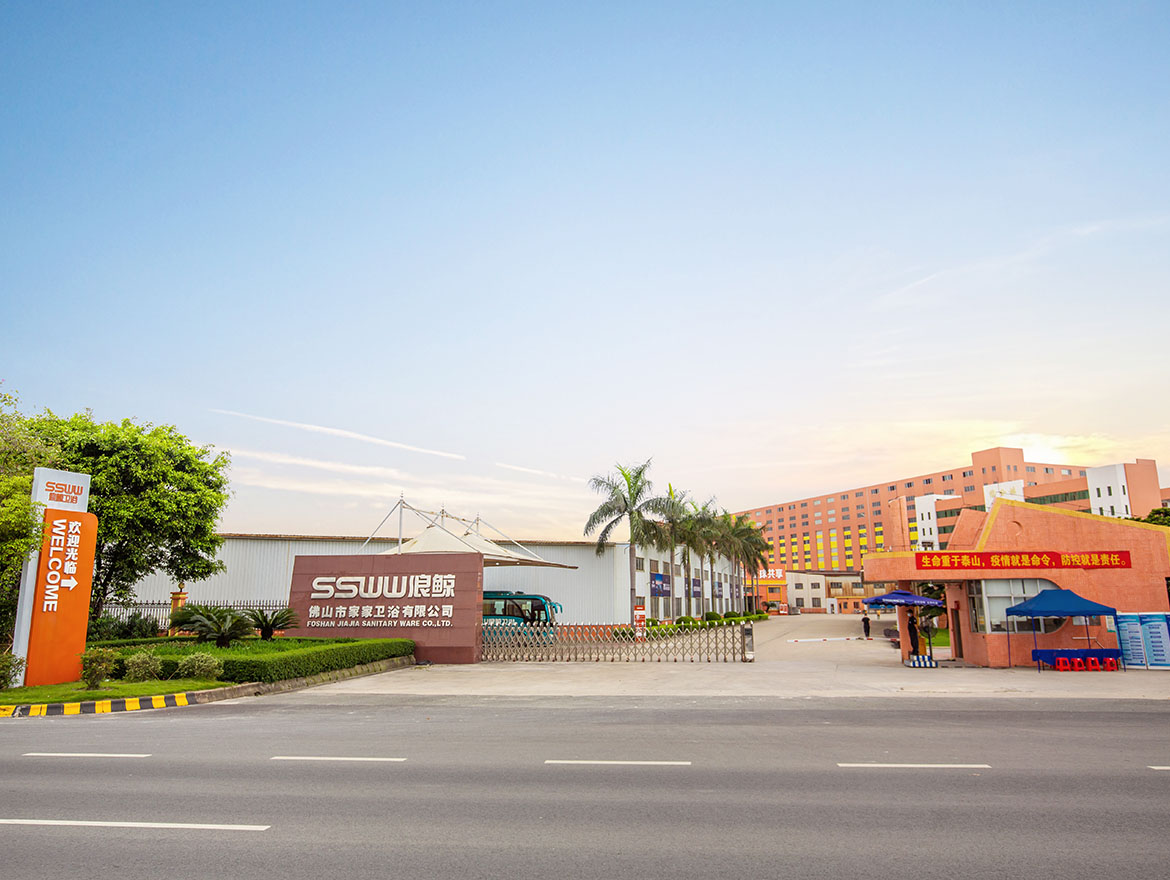
With rapid development over the years, SSWW has grown to establish over 1,500 shops and showrooms in mainland China. It has successfully extended its sales network to 107 countries and regions worldwide, including Germany, Switzerland, the USA, Russia, the UK, Poland, and South Korea.
Localized Application Scenarios in South Korea
The versatility of sliding door bathroom installations makes them ideal for various architectural formats across South Korea. Here are the most prominent localized application scenarios:
Urban Officetels & Micro-Apartments
In high-density districts such as Mapo or Gangnam, space is premium. Traditional swing doors waste valuable floor area. Sliding glass doors eliminate the clearance zone required for swing doors, maximizing usable space for washing machines or vanity units.
Boutique Hotels & Pension Resorts
From modern Hanok (traditional Korean house) guesthouses in Gyeongju to luxury seaside resorts in Jeju Island, designers use sleek sliding glass partitions to separate the sleeping area from open-concept bathrooms, maintaining a bright and airy atmosphere.
Premium Residential Remodeling
As older apartment complexes undergo extensive remodeling, homeowners are replacing outdated plastic shower curtains and bulky framed cubicles with minimalist, barrier-free sliding glass enclosures, adding immediate resale value to their properties.
By utilizing advanced manufacturing techniques from global factories, developers can source custom-sized sliding door components that meet strict local standards, including the Korean Industrial Standards (KS) for safety glass and hardware durability.
International Certifications & Patents
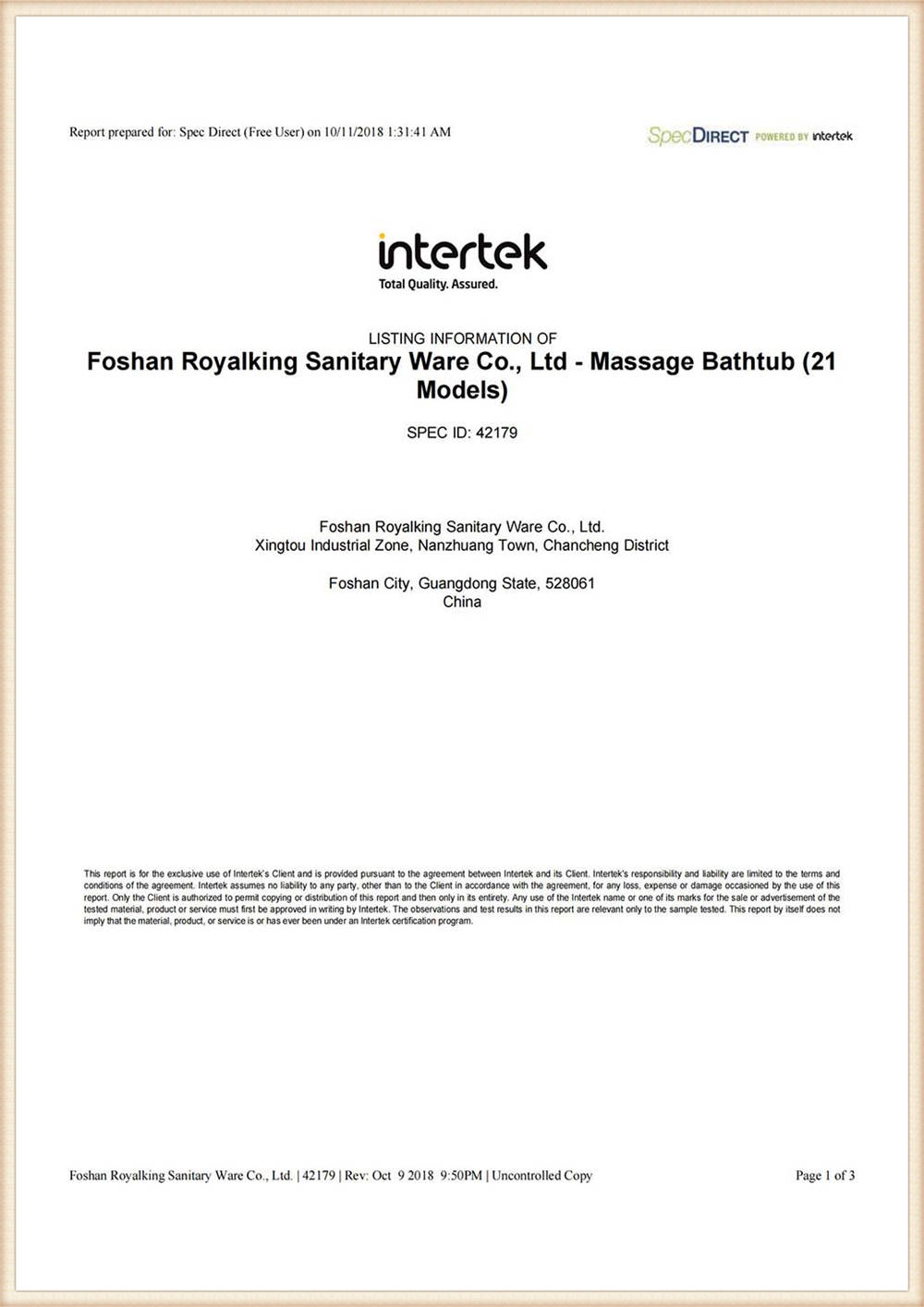
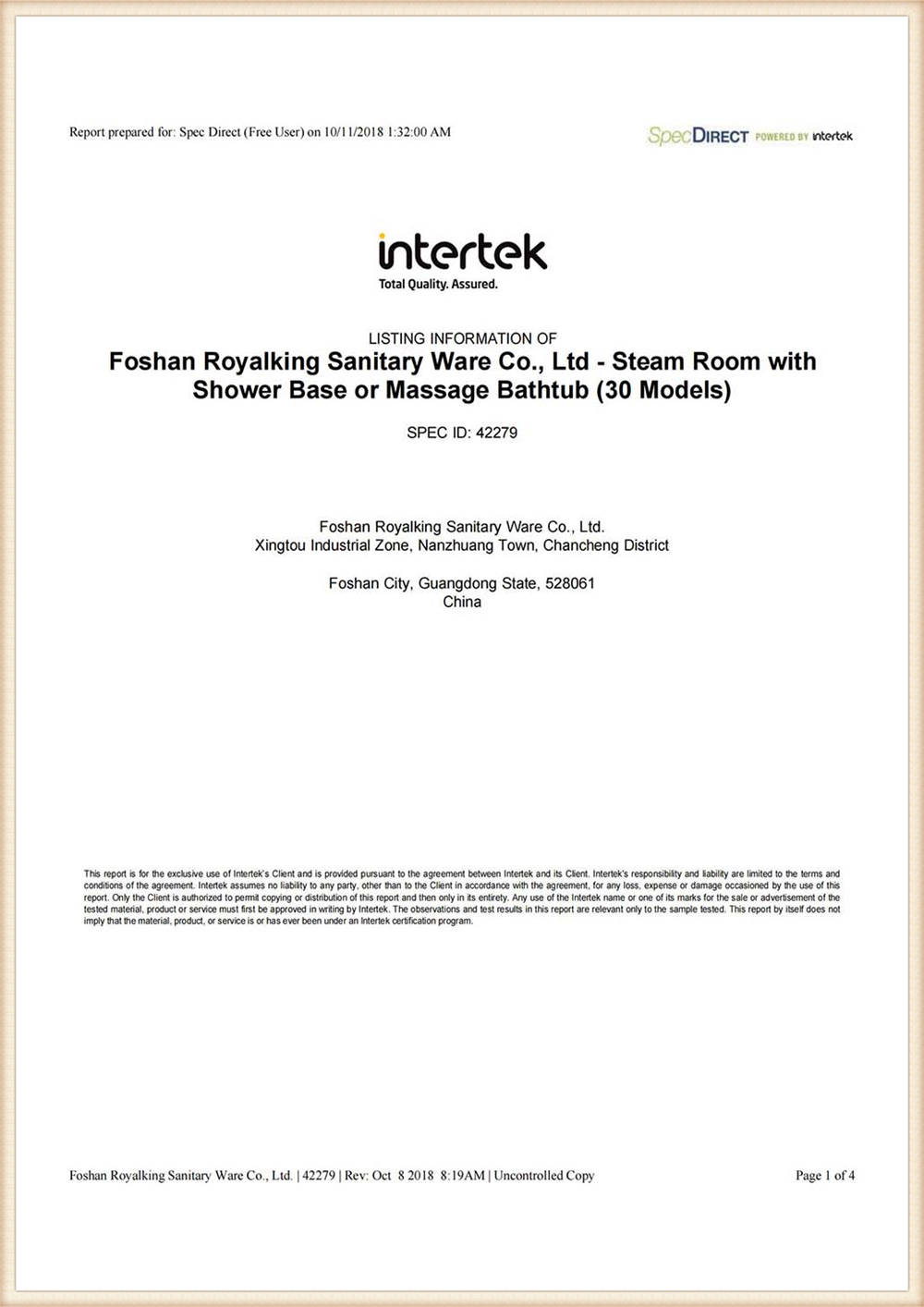
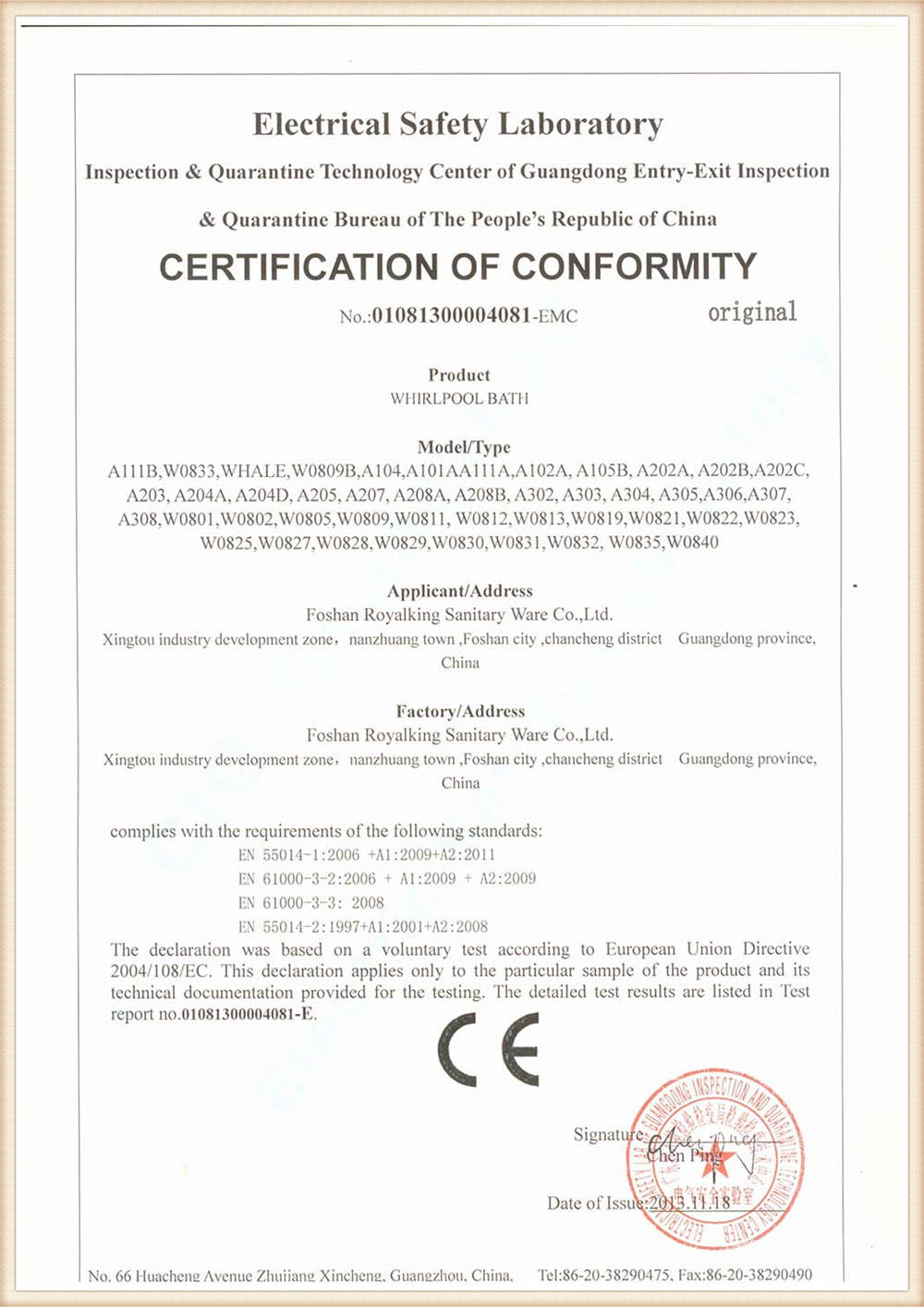
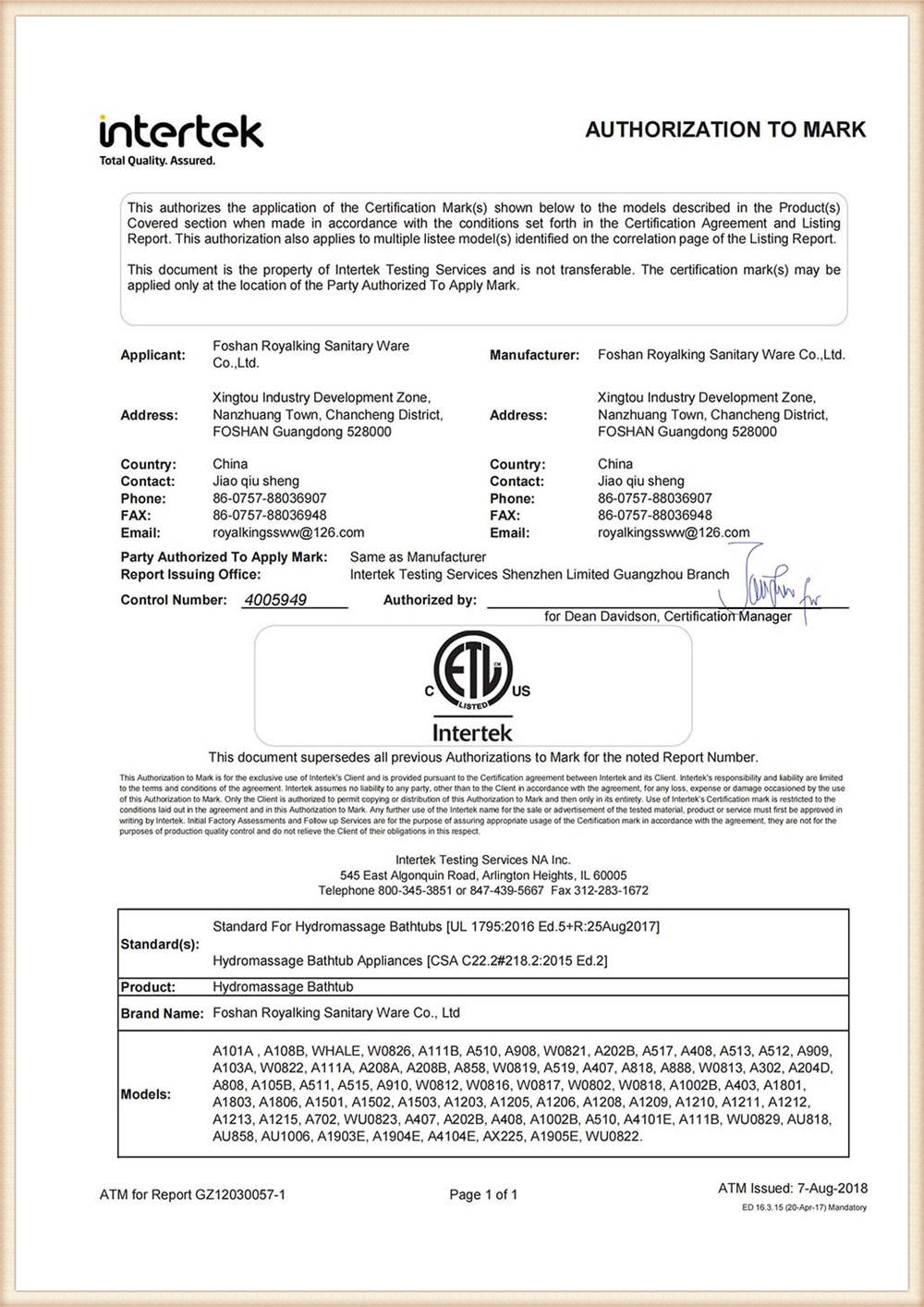
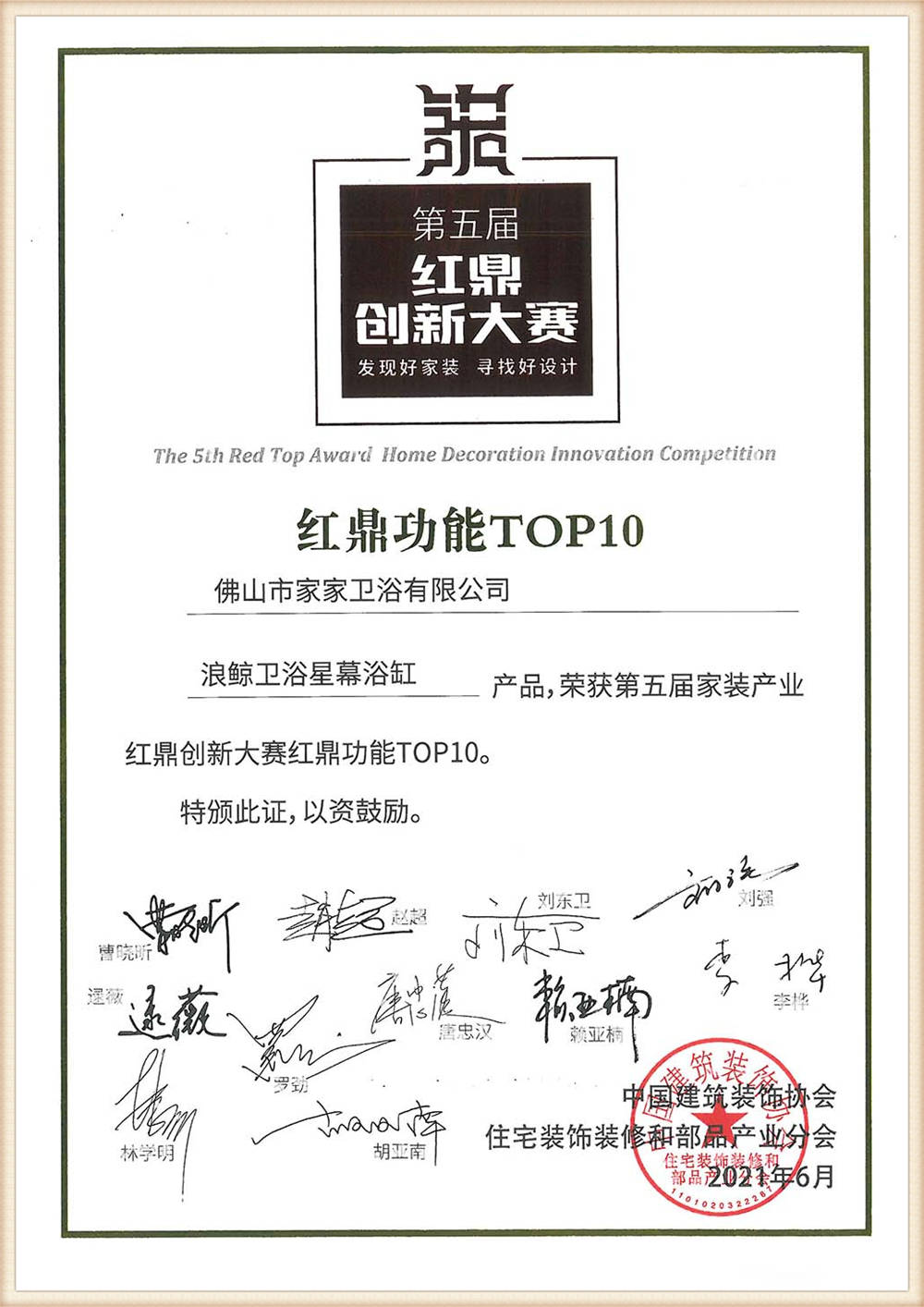
SSWW maintains a rigorous focus on R&D and internal management systems. We pay close attention to efficiency, technology, and strict quality control throughout all stages of production. SSWW has secured more than 200 patents in the intellectual property field and complies with major global standards, including ISO9001, CE, EN, ETL, SASO, and cUPC.

Our Complete Product Portfolio
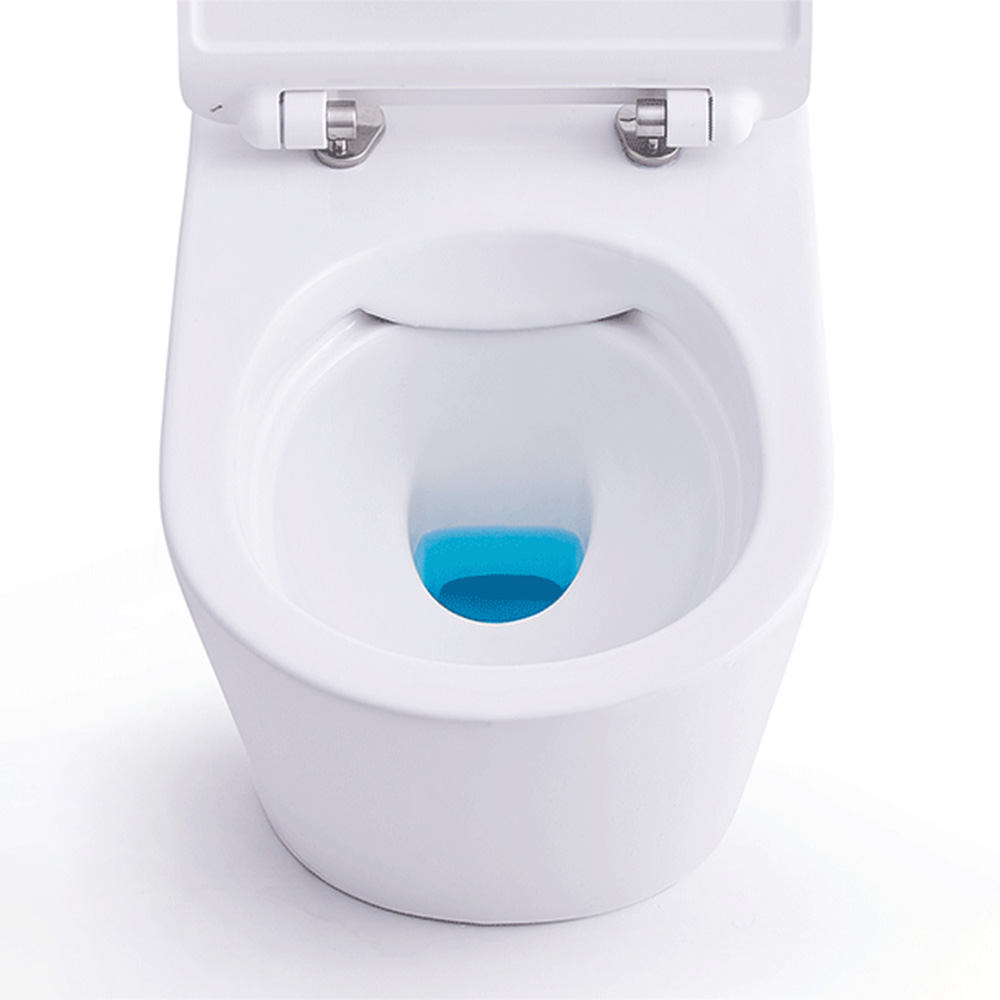
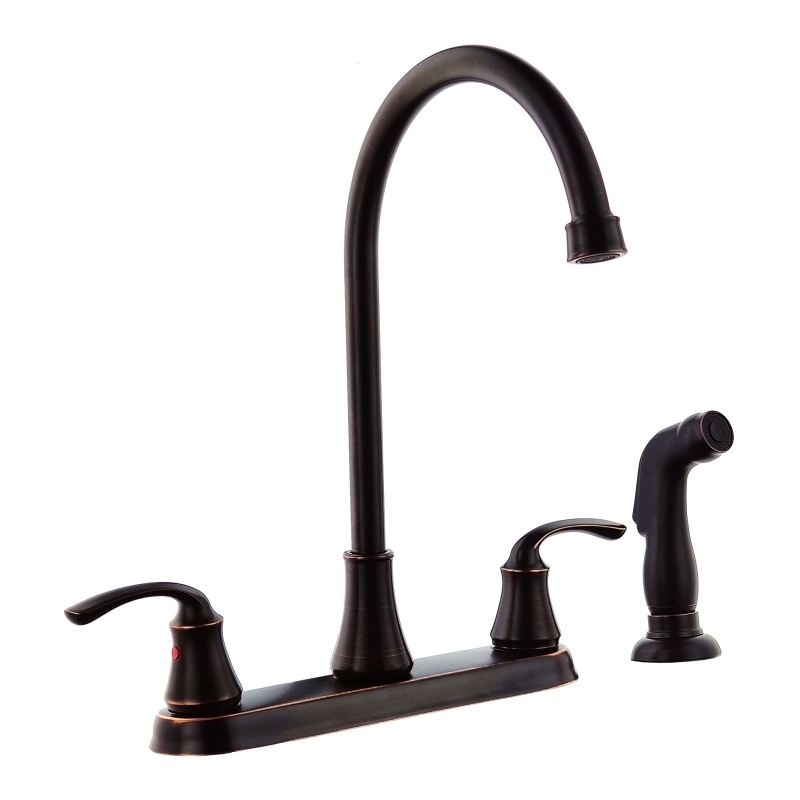
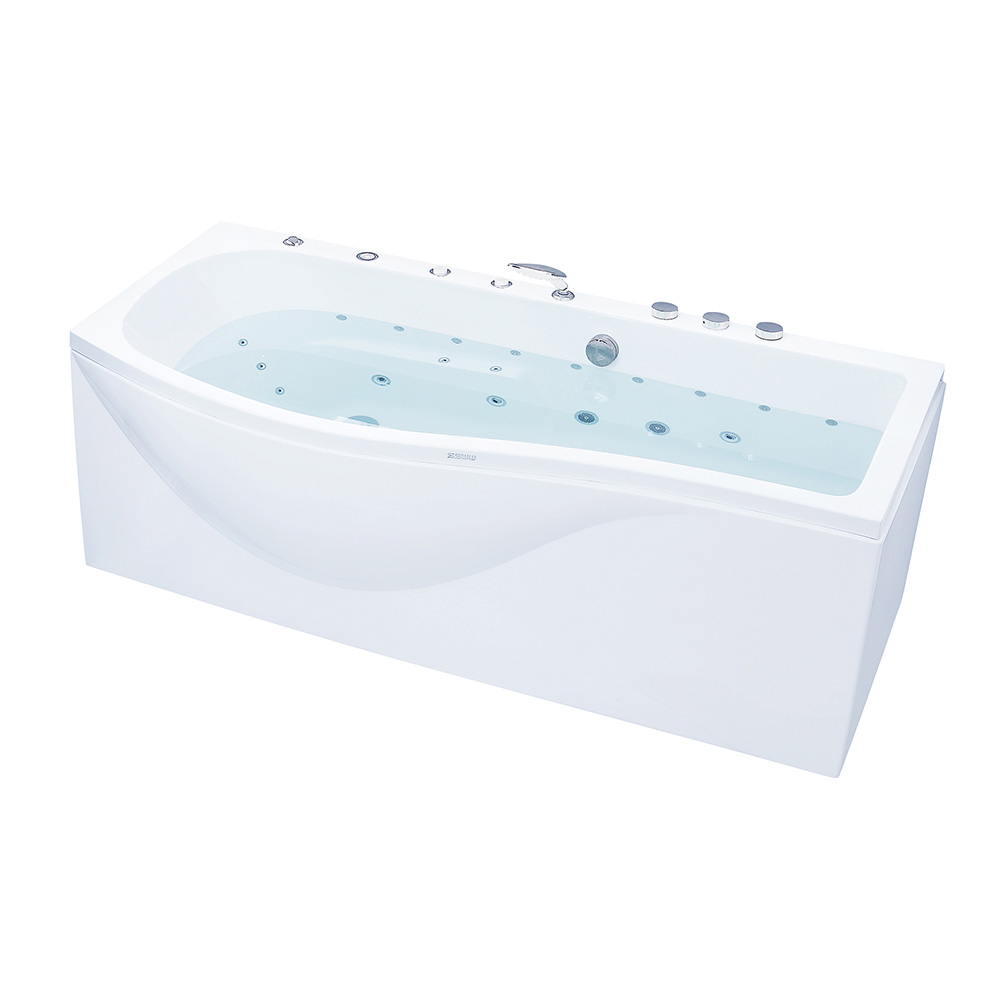
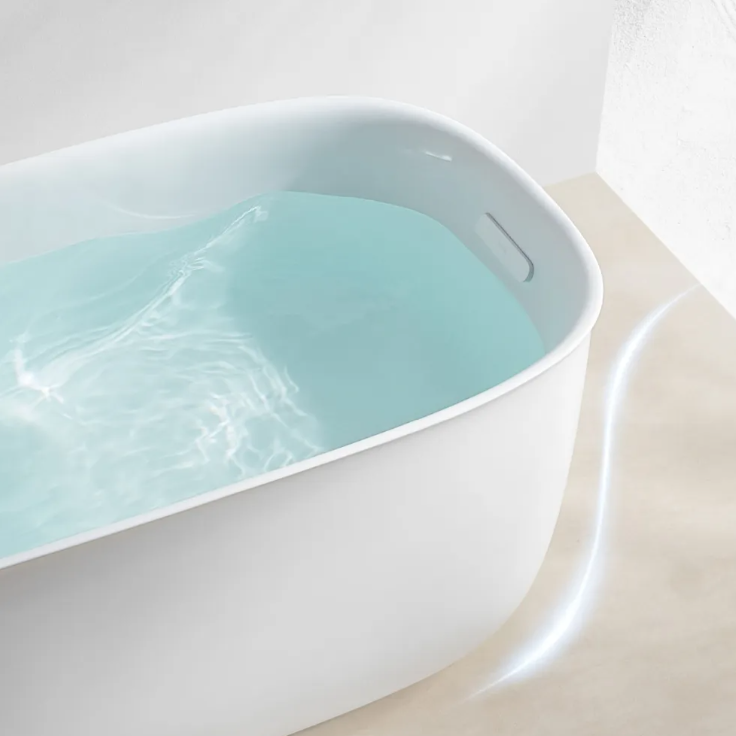
Explore our full line of premium sanitary solutions, ranging from space-saving wall-hung toilets to luxurious hydrotherapy massage bathtubs and high-performance shower enclosures.