
Innovative Fixtures for Glass Bathroom Layouts
The Evolution of Glass Bathroom Layouts in Upscale Condominiums
Modern metropolitan architecture is undergoing a profound transformation. As urban real estate values soar, designers and developers are seeking innovative ways to maximize the perception of space and light within high-rise residential properties. The traditional, compartmentalized bathroom is rapidly giving way to open-concept, glass-walled sanctuaries. These upscale condominium glass bathroom layouts dissolve visual barriers, allowing natural light to penetrate deep into the living space while offering panoramic skyline views.
However, designing a bathroom where the boundaries are transparent presents unique aesthetic and structural challenges. In a space where every element is visible from the bedroom or the main living area, the selection of sanitary ware becomes critical. The toilet, historically treated as a purely functional utility, must now serve as a design statement. This is where the one piece toilet emerges as the definitive standard for luxury condo developments.
In a glass bathroom layout, visual clutter is the ultimate enemy. A one piece toilet eliminates the awkward gaps, visible joints, and dust-gathering crevices of traditional two-piece models, delivering a sculptural, monolithic aesthetic that complements frameless glass panels.
Why One Piece Toilets are Essential for Glass Bathroom Concepts
1. Seamless Visual Continuity
A one piece toilet is cast as a single, continuous ceramic unit. Without the seam between the tank and the bowl, the fixture presents a smooth, unified silhouette. When viewed through clear or smart-switchable glass partitions, this seamless design reduces visual noise. It looks less like a mechanical appliance and more like a minimalist sculpture, aligning perfectly with the high-end finishes of upscale condominiums.
2. Unrivaled Hygiene and Maintenance Efficiency
Glass bathrooms demand pristine cleanliness; water spots on glass and dust on ceramics are instantly visible. Two-piece toilets feature a joint between the tank and bowl that inevitably harbors moisture, mold, and bacteria. The seamless construction of a one piece toilet eliminates this hard-to-clean crevice. Combined with advanced nano-glazing technologies, it ensures that the toilet remains exceptionally hygienic and easy to wipe down, maintaining the pristine look required for transparent living spaces.
3. Spatial Optimization and Compact Footprint
Upscale condominiums, while luxurious, require efficient space planning. One piece toilets typically feature a more compact profile and shorter projection than their two-piece counterparts. This space-saving attribute is crucial in glass layouts, where maintaining a sense of openness is paramount. By occupying less physical and visual volume, the one piece toilet helps preserve the airy, floating feel of modern glass enclosures.
Industrial Trends: The Rise of Smart and Eco-Conscious Ceramics
The global sanitary ware market is experiencing a rapid shift toward smart integration and environmental sustainability, particularly in the B2B luxury project sector. High-end property developers in regions like North America, Western Europe, and the Asia-Pacific are increasingly specifying toilets that combine water conservation with advanced electronic features.
Key industry developments include:
- Rimless Flushing Technology: Traditional rimmed bowls are being replaced by rimless designs that utilize powerful, swirling flush dynamics. This maximizes cleaning coverage while using significantly less water, meeting strict LEED and WaterSense criteria.
- Integrated Smart Bidets: The boundary between standard toilets and bidets has blurred. Modern upscale installations often feature one piece toilets with integrated bidet functionalities, heated seats, auto-opening lids, and built-in deodorizers, all controlled via sleek wall-mounted digital interfaces.
- Matte and Custom Glazes: While high-gloss white remains the classic choice, industrial designers are now utilizing matte black, concrete grey, and satin white finishes to match the industrial-chic aesthetic of contemporary glass-and-steel high-rises.

SSWW: Shaping the Future of Luxury Sanitary Ware
Standing for Splendid Sanitary Ware World, the SSWW brand has become a global leader in bathroom solutions. Backed by continuous investment from Foshan Royalking Sanitary Ware Co., Ltd., SSWW specializes in manufacturing high-end fixtures designed to meet the rigorous demands of modern architectural projects, including upscale condominium developments worldwide.
As one of China's largest integrated sanitary ware manufacturers, SSWW operates two massive production bases covering over 150,000 square meters. With a dedicated workforce of over 1,000 employees across six specialized factories, SSWW delivers comprehensive bathroom ecosystems—from massage bathtubs and glass shower enclosures to advanced ceramic toilets and hardware fittings.
Deep Architectural Analysis: Integrating Ceramics into Glass Enclosures
Successfully executing a glass bathroom layout requires a deep understanding of spatial relationships, plumbing engineering, and material interactions. Below, we explore two distinct application scenarios where the one piece toilet plays a pivotal role.
Scenario A: The Master Suite "Glass Box" Oasis
In this layout, the bathroom is positioned as a central glass volume within a larger master bedroom suite. The walls are constructed of floor-to-ceiling, extra-clear low-iron glass panels. Privacy is managed dynamically via electrochromic smart glass that transitions from transparent to opaque at the flip of a switch.
Because the toilet is visible from the bed when the glass is clear, its profile must be exceptionally clean. A floor-mounted, skirted one piece toilet is ideal here. The "skirted" design means the trapway is completely concealed behind smooth ceramic sides, leaving no visible pipes or structural bolts. This maintains a clean, architectural line that integrates seamlessly with the glass wall behind it.
Scenario B: The Corner Skyline Bathroom
Designed for high-rise corner units, this layout features exterior glass curtain walls that offer sweeping views of the city. The interior partition separating the bathroom from the living space is also glass, ensuring that the view is visible from almost anywhere in the apartment.
In this scenario, positioning and plumbing routing are critical. The one piece toilet is typically placed against a solid structural column or a half-height pony wall that conceals the waste line. Because the back of the toilet may still be partially visible from certain angles through the glass, a one piece design is vital. Unlike two-piece models, which have exposed supply lines and coupling bolts between the tank and bowl, a premium one piece toilet keeps all functional components self-contained and hidden from view.
Glass is a highly reflective material for sound waves. To prevent flushing noise from disturbing the bedroom area, modern one piece toilets utilize siphonic flushing mechanisms. By pulling water through the bowl rather than dumping it from a height, siphonic action operates much more quietly than traditional washdown systems.
Global Quality Standards and Engineering Excellence
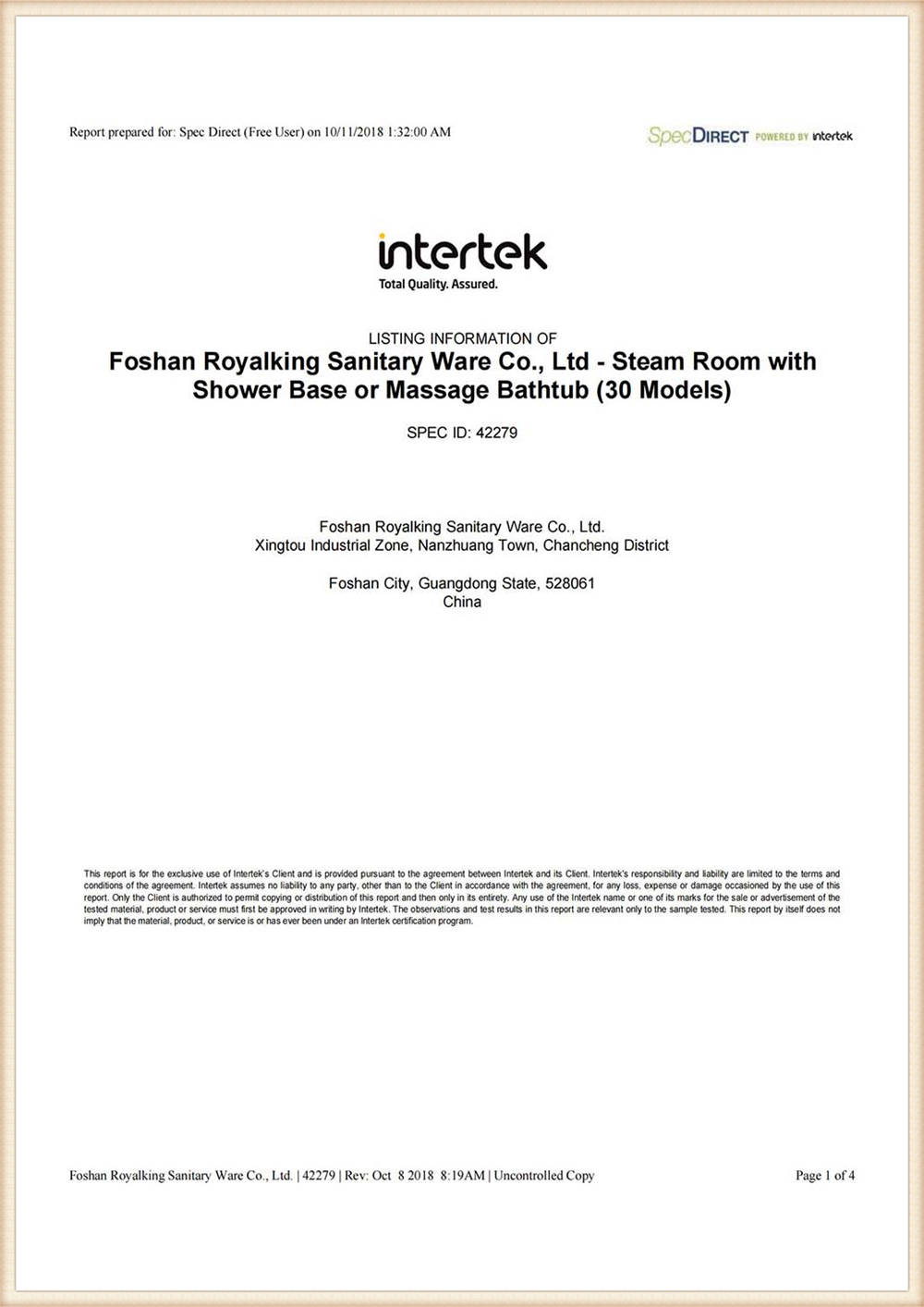
For international condominium developments, compliance with local building codes and standards is non-negotiable. SSWW maintains a strict focus on quality management and research, securing more than 200 patents and achieving compliance with major global certification bodies. This ensures that every fixture—whether installed in a luxury tower in Frankfurt or a high-rise in New York—performs flawlessly under pressure.
International Certifications & Awards





Complete Sanitary Solutions for Glass Bathroom Layouts
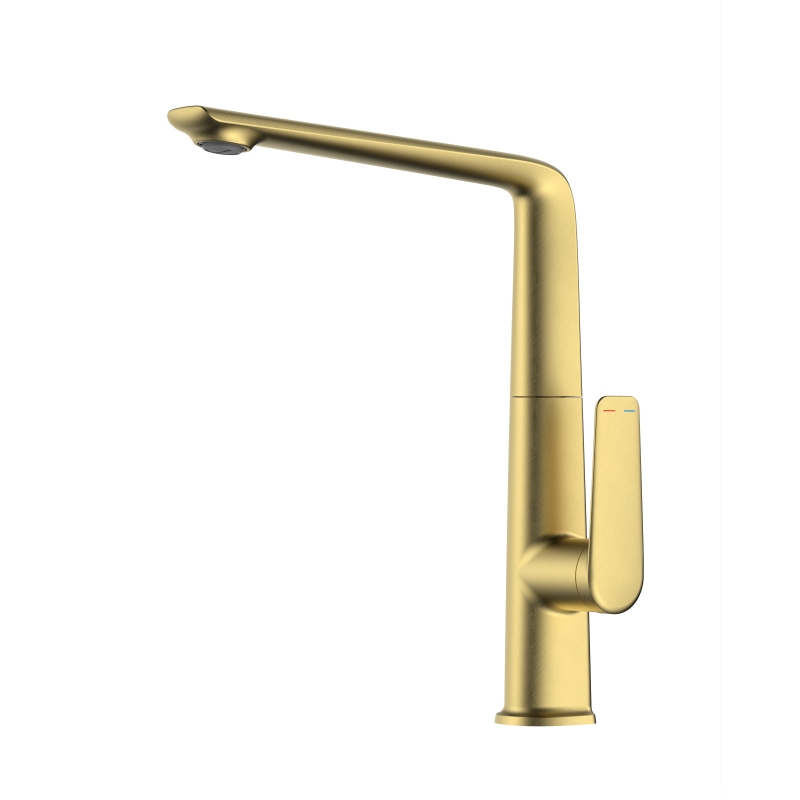
KITCHEN FAUCET WFD04089
View Details →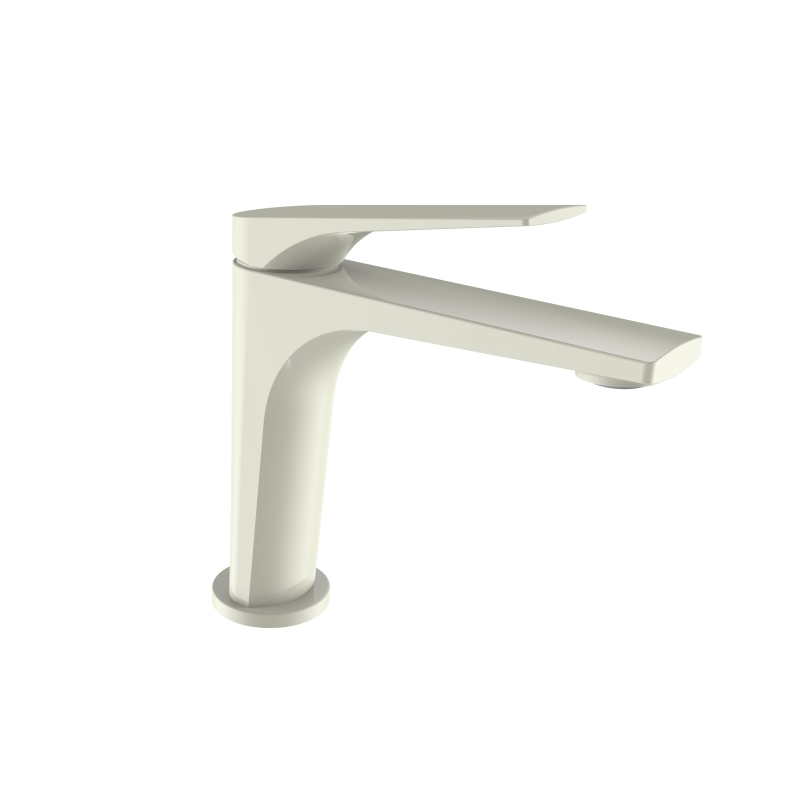
BASIN FAUCET WFD11097
View Details →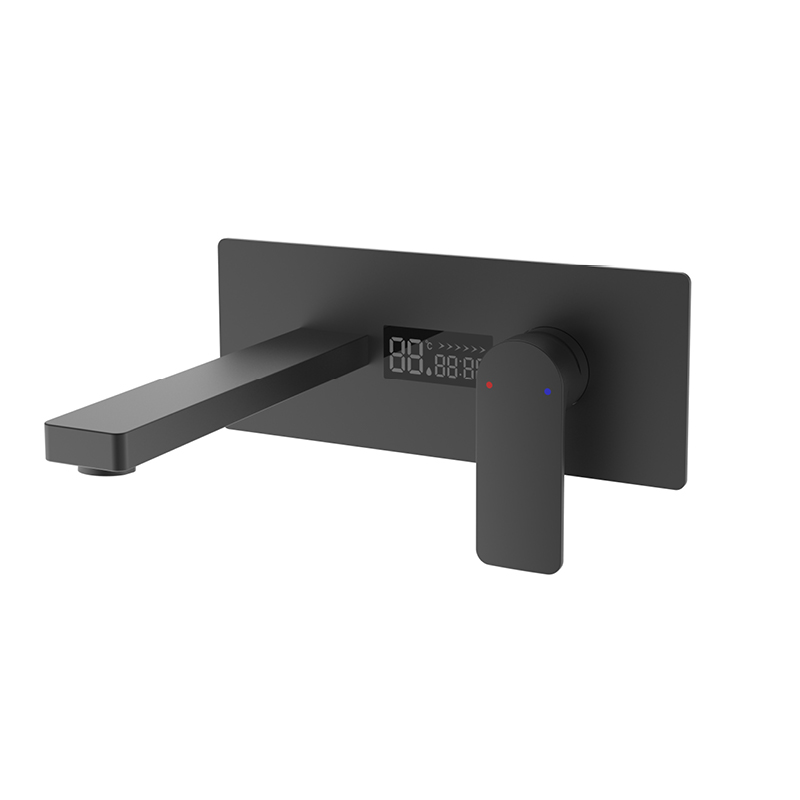
SQUARE DIGITAL WALL-MOUNTED BASIN FAUCET KF4205
View Details →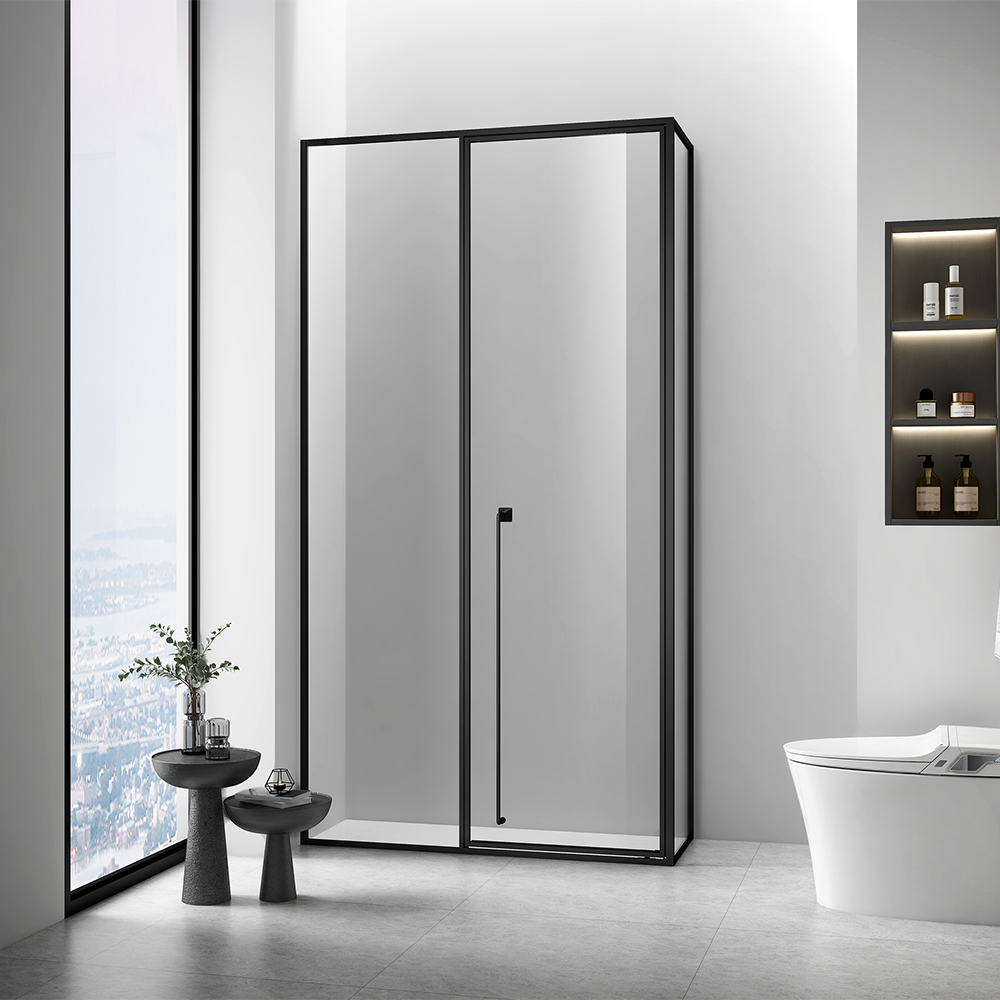
SSWW shower enclosure LD25-L31A
View Details →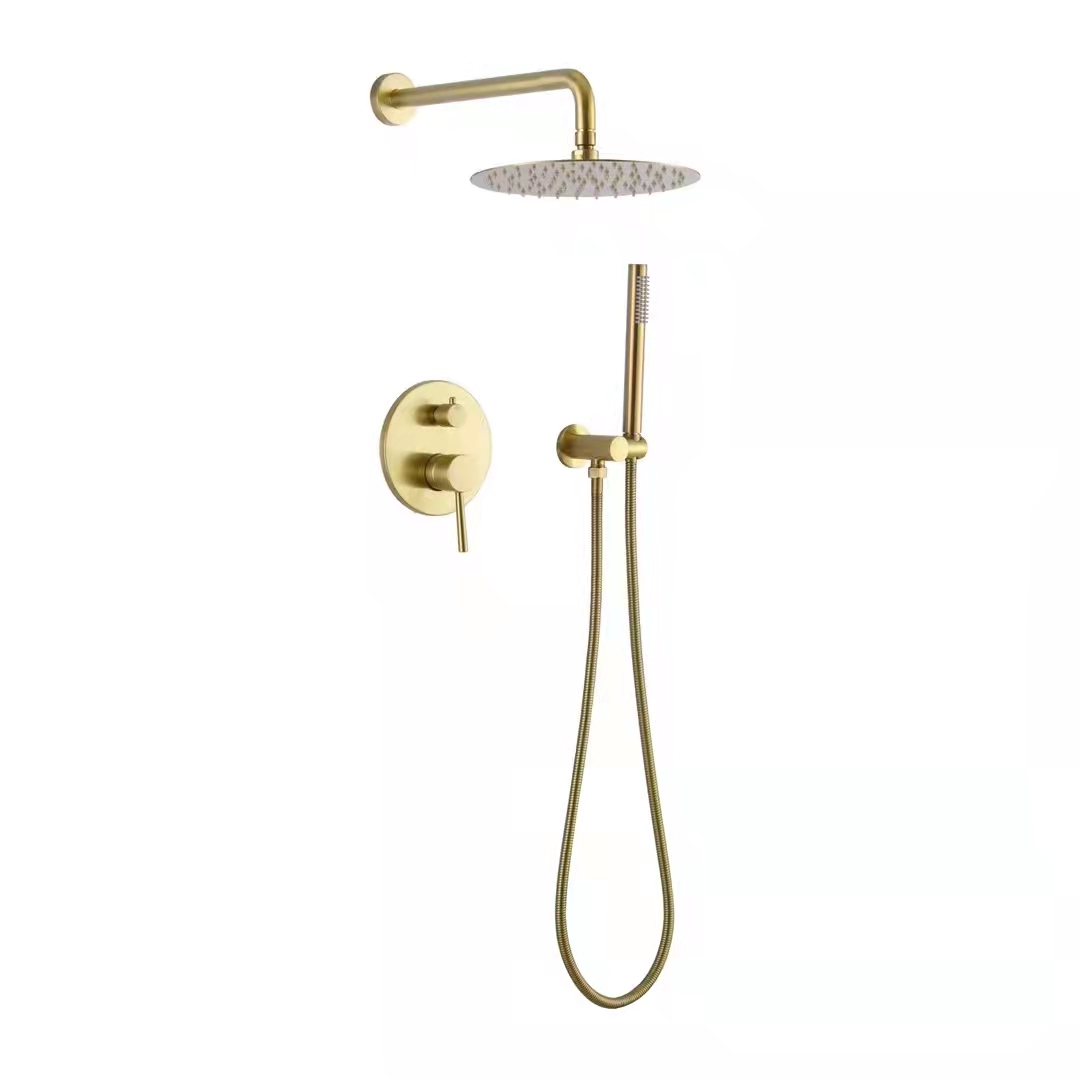
MULTIFUNCTION WALL MOUNTED SHOWER SET WFT53017
View Details →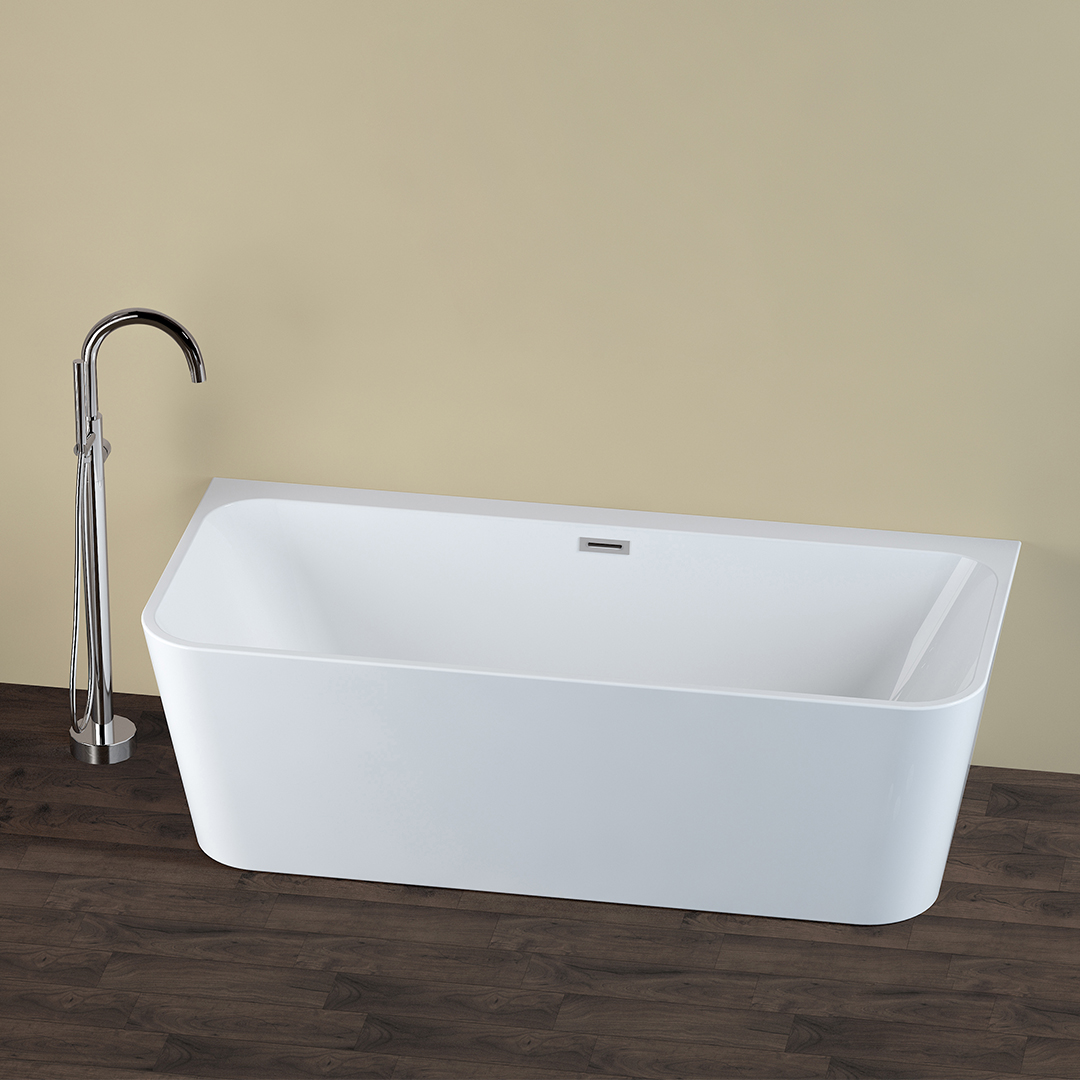
SSWW FREE STANDING BATHTUB WA1038 FOR 1 PERSON
View Details →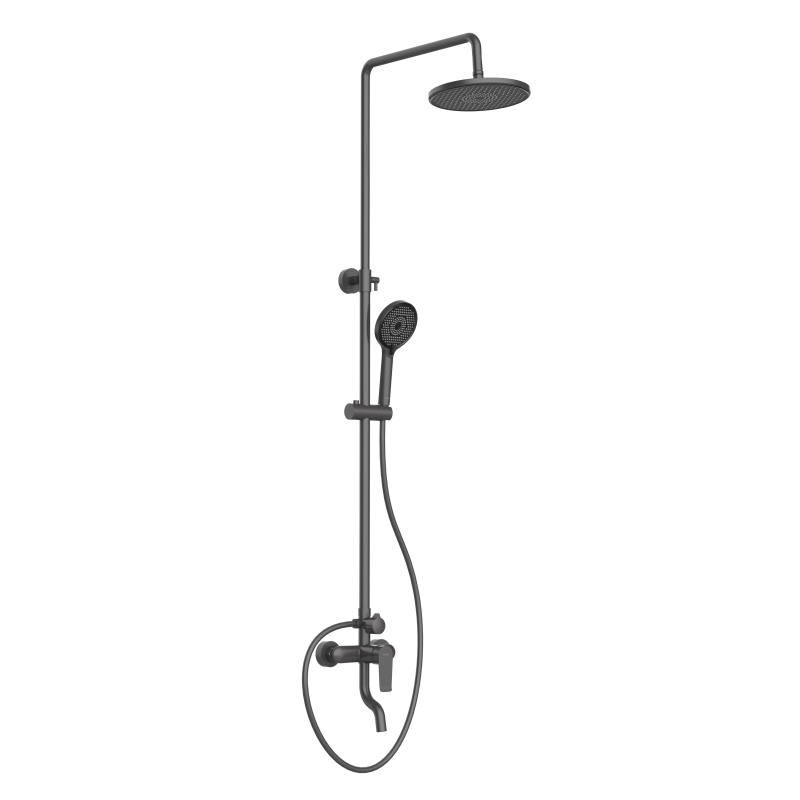
MULTIFUNCTION SHOWER SET FT13110GA
View Details →


