
The Evolution of One Piece Toilets in Concealed Plumbing Architectures
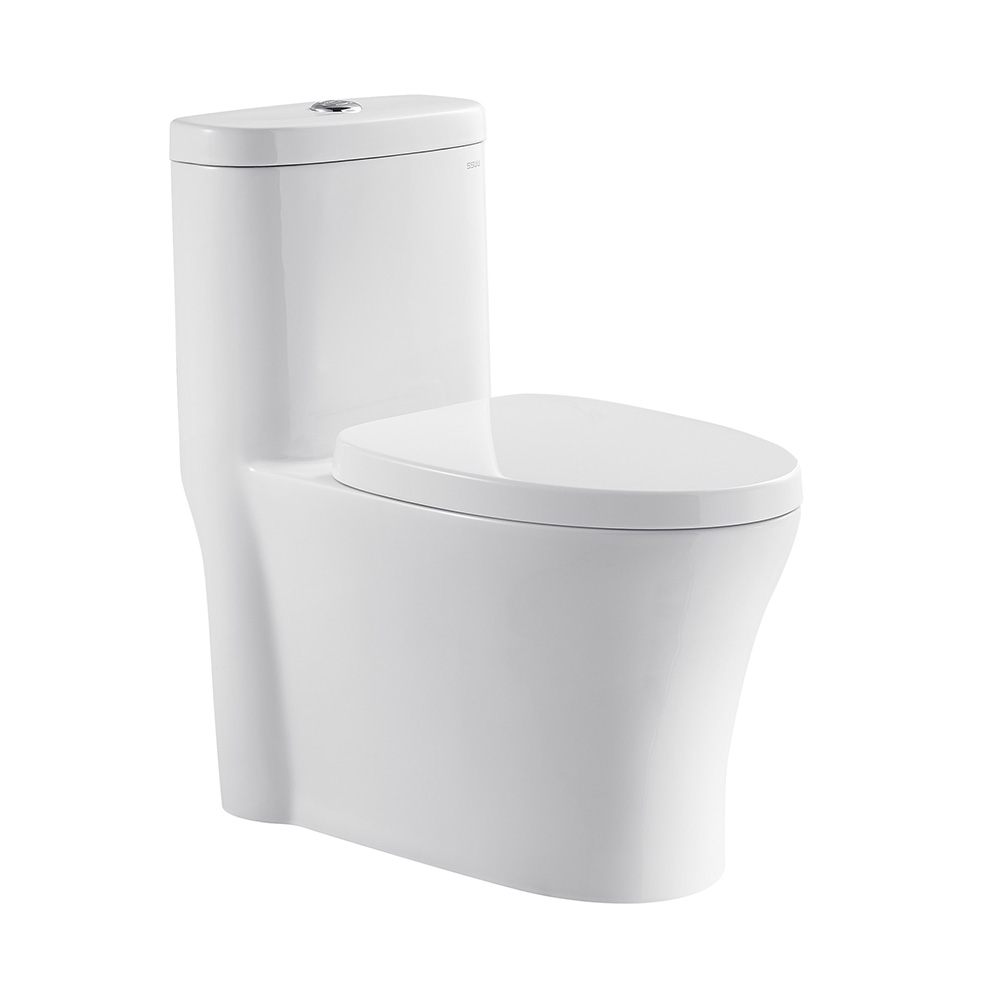
In modern interior design and architectural engineering, the bathroom has transitioned from a purely functional utility space into a sanctuary of wellness and minimalist expression. At the core of this design revolution lies the integration of a one piece toilet for minimalist concealed bathroom plumbing systems. Historically, bathroom layouts were constrained by exposed cisterns, complex pipe networks, and bulky floor mounts. Today, the global sanitary industry is witnessing a significant shift toward concealed systems that hide structural and plumbing complexities behind structural walls, leaving only clean lines, premium materials, and high-performance fixtures visible.
The commercial demand for these integrated systems has grown exponentially. Commercial developers, luxury hospitality groups, and residential architects are prioritizing concealed plumbing configurations to maximize floor space, simplify cleaning protocols, and project an image of modern sophistication. The engineering behind a one-piece toilet designed for concealed plumbing involves a meticulous balance of structural integrity, fluid dynamics, and aesthetic precision. By eliminating the seams and joints common in two-piece configurations, one-piece toilets provide an uninterrupted ceramic surface that prevents dirt accumulation and streamlines maintenance.
Key Industry Insight
Market intelligence indicates that urban residential developments featuring concealed plumbing systems coupled with premium one-piece ceramic fixtures command a premium valuation. This is driven by the spatial efficiency they offer, particularly in high-density metropolitan areas where square footage is at a premium.
Commercial and Industrial Status of Concealed Sanitary Systems
The commercial landscape of the sanitary ware industry is undergoing a structural transformation. Global manufacturers are heavily investing in research and development to align their ceramic production lines with international concealed plumbing standards. A major challenge in this sector has been ensuring compatibility between ceramic fixtures and in-wall carrier frames. A high-quality one-piece toilet must be engineered to securely mount to hidden metal frames while maintaining a perfect seal with the waste outlet and flush pipe.
From an industrial perspective, the manufacturing of these toilets requires advanced vitrification techniques. High-grade clay is fired at extreme temperatures to achieve zero porosity, ensuring that under-rim channels and internal trapways remain hygienic and free of mineral buildup. Additionally, the development of dual-flush concealed cisterns has forced manufacturers to optimize the internal siphon and gravity-flow channels of the toilet bowl to achieve maximum waste extraction using minimal water volumes—often as low as 3 to 4.5 liters per flush.
Deep Application Scenarios & Architectural Case Studies
1. High-End Urban Micro-Apartments
In cities like New York, London, and Tokyo, spatial optimization is the primary design directive. Concealed plumbing systems allow architects to reclaim up to 150mm of floor space that would otherwise be occupied by a traditional external toilet tank. When paired with a back-to-wall or wall-hung one-piece toilet, the bathroom floor remains completely unobstructed. This visual continuity makes small bathrooms appear significantly larger and allows for seamless tiling layouts that enhance the minimalist aesthetic.
2. Luxury Hospitality and High-Traffic Commercial Spaces
For five-star hotels and premium office towers, maintenance efficiency and hygiene are crucial. Traditional toilets with exposed pipes and tanks create hard-to-reach crevices that accumulate dust, moisture, and bacteria. A one-piece toilet integrated into a concealed plumbing wall eliminates these cleaning bottlenecks. Housekeeping staff can sanitize the entire bathroom floor in a fraction of the time, reducing operational costs while ensuring a higher standard of hygiene for guests.
3. Smart Eco-Homes and Sustainable Residential Projects
Modern green building standards (such as LEED and BREEAM) require strict water management protocols. One-piece toilets designed for concealed plumbing systems often feature advanced hydraulic designs that utilize dual-flush mechanisms. These systems can be integrated with home automation networks to monitor water usage and detect leaks early. The combination of sustainable water management and sleek design makes these systems highly sought after in the luxury eco-residential sector.
Technological Advancements in Ceramics
SSWW's proprietary nano-glaze technology ensures that the ceramic surface is ultra-smooth at a microscopic level. This prevents waste adhesion and allows the toilet to be thoroughly cleaned with minimal water pressure, making it the perfect partner for low-flow concealed cisterns.
Future Trends: Smart Integration and Structural Innovation
Looking ahead, the integration of smart technology into concealed bathroom systems represents the next frontier. We are seeing the rise of smart one-piece toilets that connect directly to hidden water and power lines, maintaining a completely wireless and pipe-free exterior. Features such as automatic lid opening, heated seats, integrated bidets, and self-cleaning UV sterilization are becoming standard in high-end projects.
Furthermore, structural engineering innovations are simplifying the installation of concealed systems. Historically, installing an in-wall tank required extensive structural modification. Modern modular carrier systems are designed for rapid installation in standard drywall studs, lowering labor costs and making concealed plumbing accessible for renovation projects, not just new construction.
Foshan Royalking Sanitary Ware: Manufacturing Excellence

Standing for Splendid Sanitary Ware World
SSWW has become a leading brand in both domestic and overseas markets through continuous investment by Foshan Royalking Sanitary Ware Co., Ltd. As one of the largest integrated sanitary ware manufacturers in China, SSWW operates two massive production bases covering over 150,000 square meters.
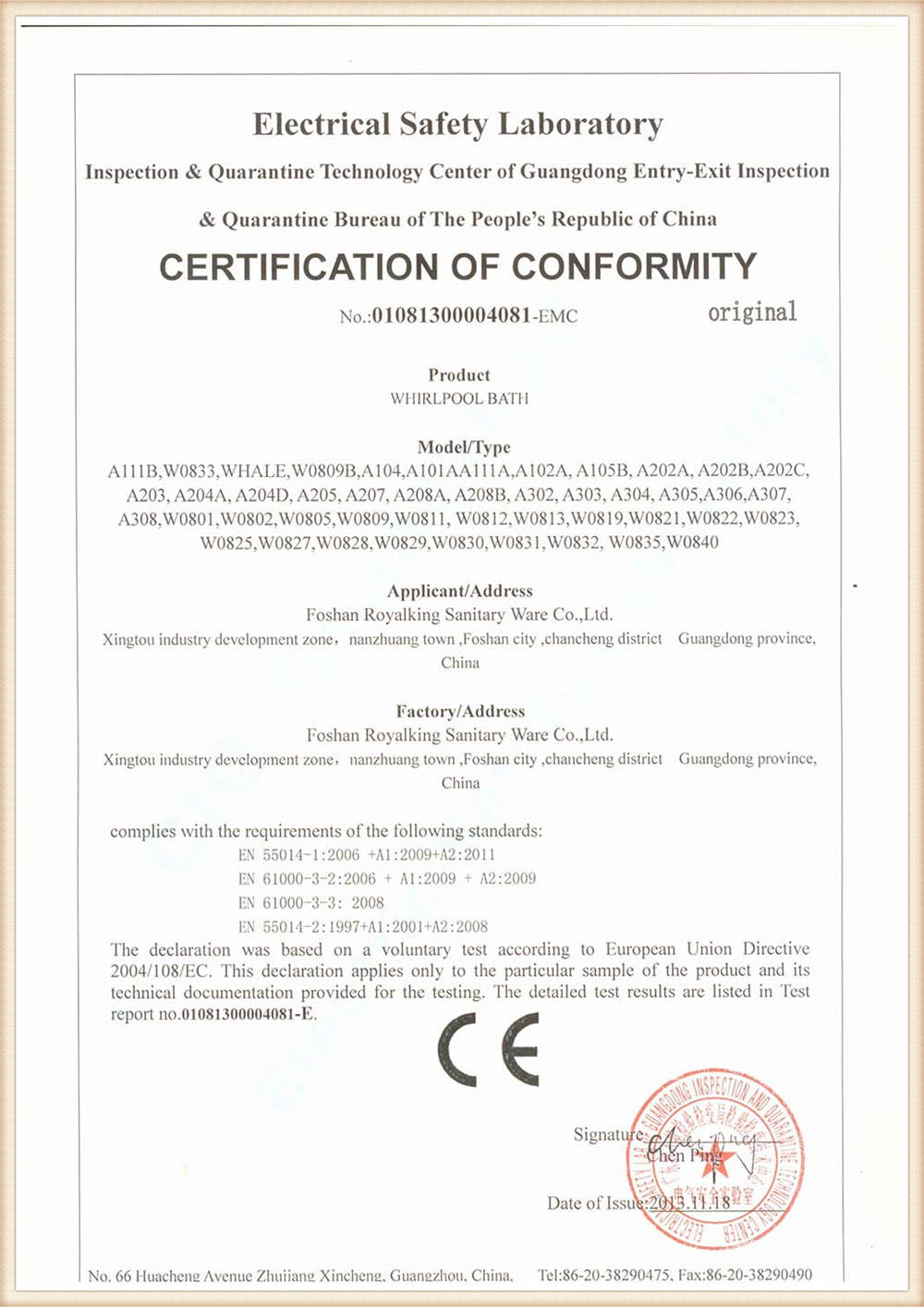
With six specialized factories, SSWW manufactures massage bathtubs, steam cabins, ceramic toilets, ceramic basins, shower enclosures, bathroom cabinets, and hardware fittings. Our commitment to quality control and R&D has earned us over 200 patents and certifications from international standards boards.
Global Footprint and Distribution Networks
With rapid development over the years, SSWW has grown to operate over 1,500 showrooms and shops across mainland China. We have successfully extended our sales network to 107 countries and regions, including Germany, Switzerland, the USA, Russia, the UK, and Poland. Our focus on internal management and strict quality control ensures high customer satisfaction worldwide.
International Quality Standards & Certifications
Our products are engineered, tested, and certified to meet the most stringent regulatory requirements across major global markets.