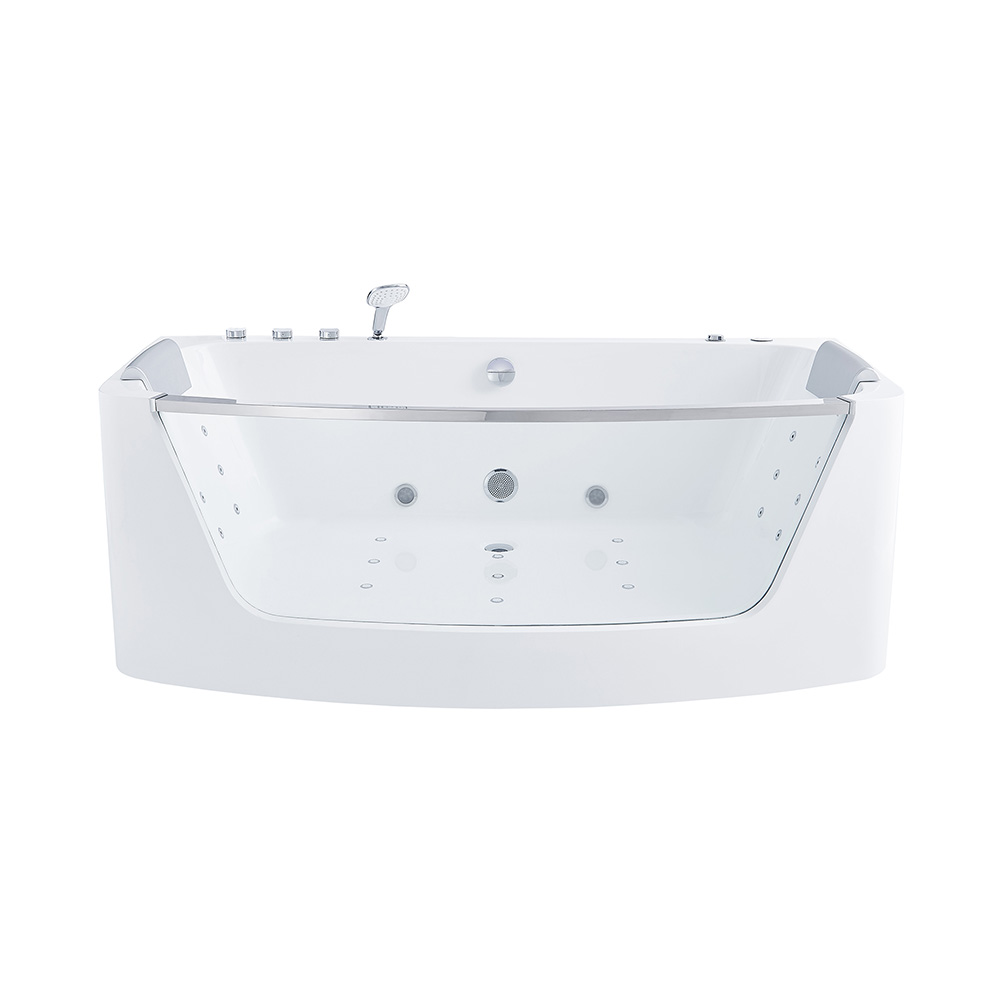
Leading Hydrotherapy & Bathroom Solutions
The Landscape of Hydromassage Tub Companies in the United States
The demand for luxury hydrotherapy and advanced sanitary ware has witnessed exponential growth in the United States over the past decade. Driven by a cultural shift toward home-based wellness, residential remodeling projects, and an aging population seeking therapeutic relief, the hydromassage tub market has expanded beyond traditional luxury homes into mainstream suburban developments. Today, American consumers view the bathroom not just as a functional space, but as a private sanctuary for mental and physical rejuvenation.
In the United States, the hydromassage tub ecosystem is composed of domestic assembly units, high-end design houses, and robust global manufacturing partnerships. While domestic brands handle local distribution, marketing, and final customization, they heavily rely on international manufacturers capable of delivering scale, precision engineering, and rigorous certification compliance. Companies that bridge these two worlds—combining American design sensibilities with advanced, cost-effective manufacturing bases in regions like Foshan, China—are leading the market in value, innovation, and reliability.
"The integration of smart tech and therapeutic water systems is redefining modern residential architecture across North America, making hydromassage installations a primary selling point for premium real estate."
Technological Innovations & Localized Applications in the US
The modern American hydromassage tub industry is defined by rapid technological evolution. Consumers are no longer satisfied with basic whirlpool jets; they demand intelligent, multi-sensory experiences. This has led to the rise of several key product trends that manufacturers must address to remain competitive in the US market:
1. Smart Controls & IoT Integration
High-end smart homes in regions like California, Texas, and New York now feature bathrooms integrated into central home automation systems. Modern hydromassage tubs feature Wi-Fi connectivity, allowing users to preheat water, adjust jet configurations, and control chromotherapy lighting via mobile apps or voice commands (such as Amazon Alexa or Google Home). This level of convenience is a major selling point for tech-savvy millennial homebuyers.
2. Advanced Eco-Friendly Filtration & Disinfection
Water conservation and hygiene are top priorities for American consumers. Leading manufacturers are incorporating ozone disinfection and UV sterilization systems directly into the internal plumbing of whirlpool tubs. These closed-loop systems ensure that the water circulating through the jets remains sterile without requiring excessive chemical treatments, aligning with the growing demand for green building practices and eco-conscious living.
3. Multi-Sensory Therapy (Chromotherapy & Acoustics)
Hydrotherapy is increasingly paired with alternative wellness modalities. Chromotherapy (targeted light spectrums to influence mood) and built-in Bluetooth acoustic systems (which transmit sound waves through the water to vibrate the body) turn a standard bath into a clinical-grade wellness session. These features are highly sought after by commercial spas and wellness retreats across the country.
4. ADA-Compliant & Assisted Living Solutions
With the US baby boomer generation aging, there is a massive surge in demand for walk-in hydromassage tubs. These specialized tubs feature leak-proof side doors, low thresholds, built-in grab bars, and heated seats, allowing seniors and mobility-impaired individuals to safely enjoy the therapeutic benefits of hydrotherapy at home, reducing the reliance on assisted living facilities.
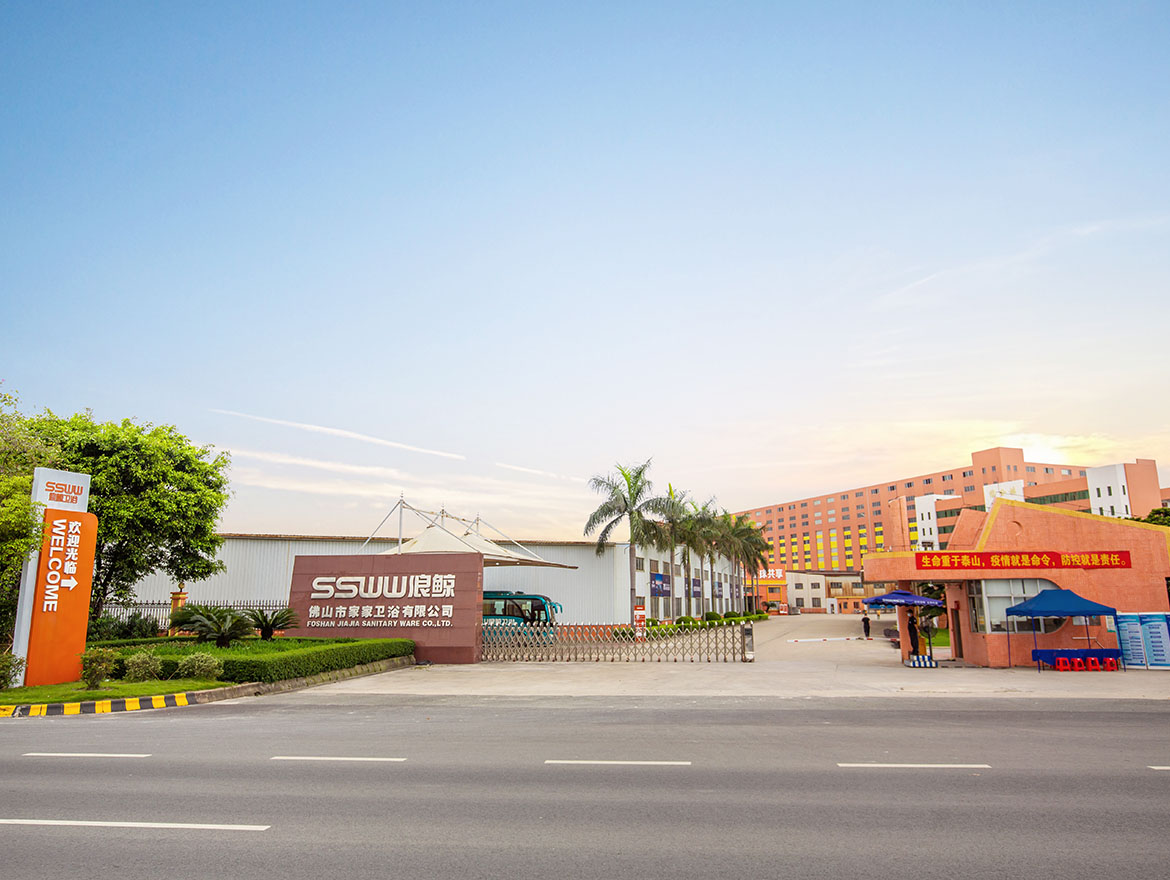
Foshan Royalking Sanitary Ware Co., Ltd. (SSWW)
Standing for Splendid Sanitary Ware World, the SSWW brand has become increasingly popular in both domestic and overseas markets. Backed by continuous investment from Foshan Royalking Sanitary Ware Co., Ltd., a professional manufacturer specialized in comprehensive bathroom solutions for decades, SSWW stands as one of the largest integrated sanitary ware manufacturers globally.
Currently, SSWW operates two massive production bases with over 1,000 employees, covering more than 150,000 square meters. Its ecosystem includes six chain-related factories manufacturing massage bathtubs, steam cabins, ceramic toilets, ceramic basins, shower enclosures, bathroom cabinets, and premium hardware fittings. This vertically integrated supply chain ensures absolute quality control and competitive pricing for the international market, including the United States.
Location
Foshan, Guangdong, China
Business Type
Manufacturer
Established
Year 1994
Total Employees
1001-1500 people
Annual Revenue
150-170 Million USD
Export Percentage
10%
Expanding Global Footprint
With rapid development over the years, SSWW has grown to establish more than 1,500 shops and showrooms in mainland China. The brand has successfully extended its sales footprint to 107 countries and regions worldwide, including Germany, Switzerland, the United States, Russia, the United Kingdom, and Poland. By maintaining localized service hubs and strong distributor partnerships, SSWW ensures seamless logistics and after-sales support globally.
Major Markets Served
Europe, Middle East, North America, South America, North Africa, South Africa, South Asia, Domestic Market
Explore ShowroomRigorous Standards & Global Compliance
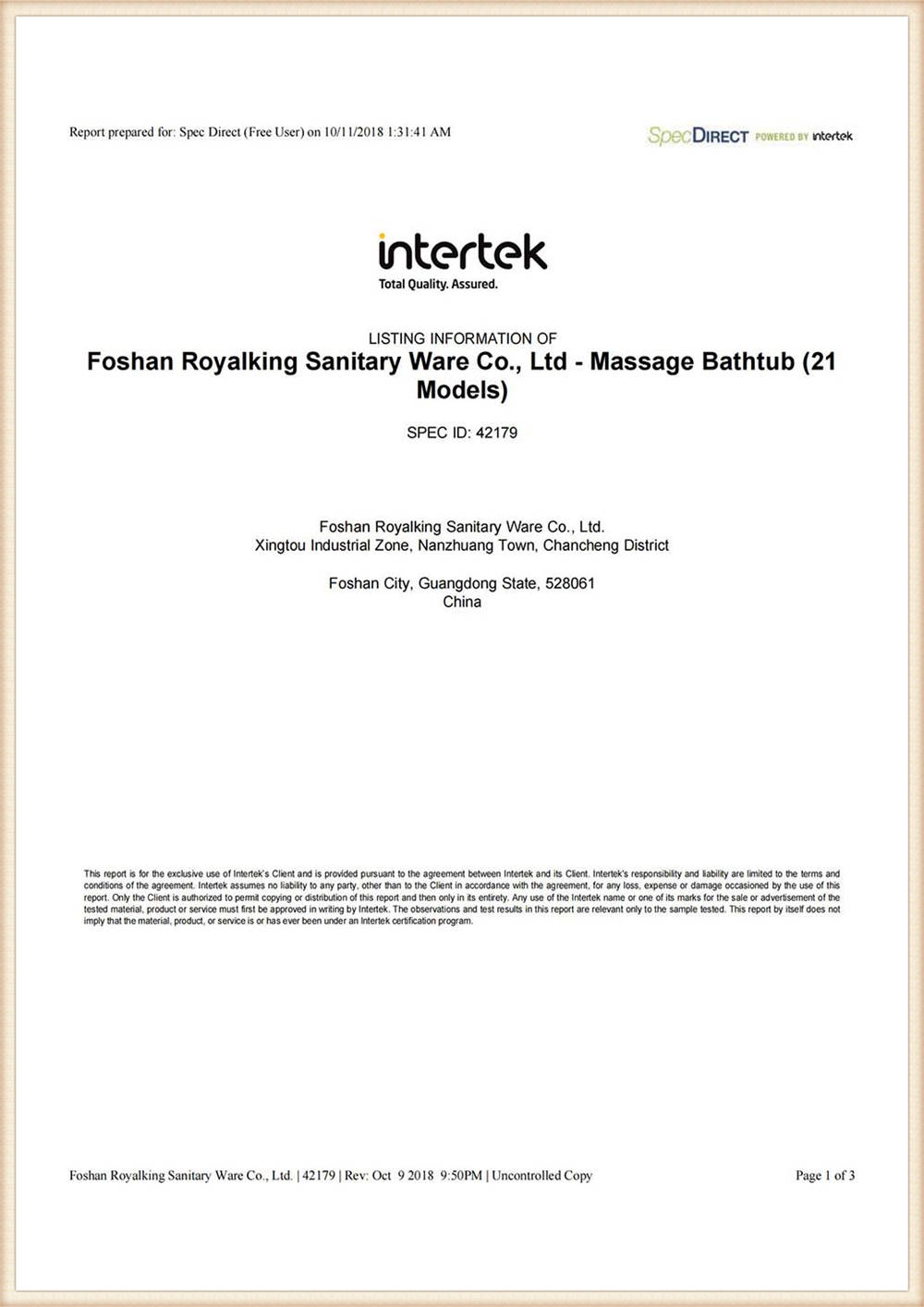
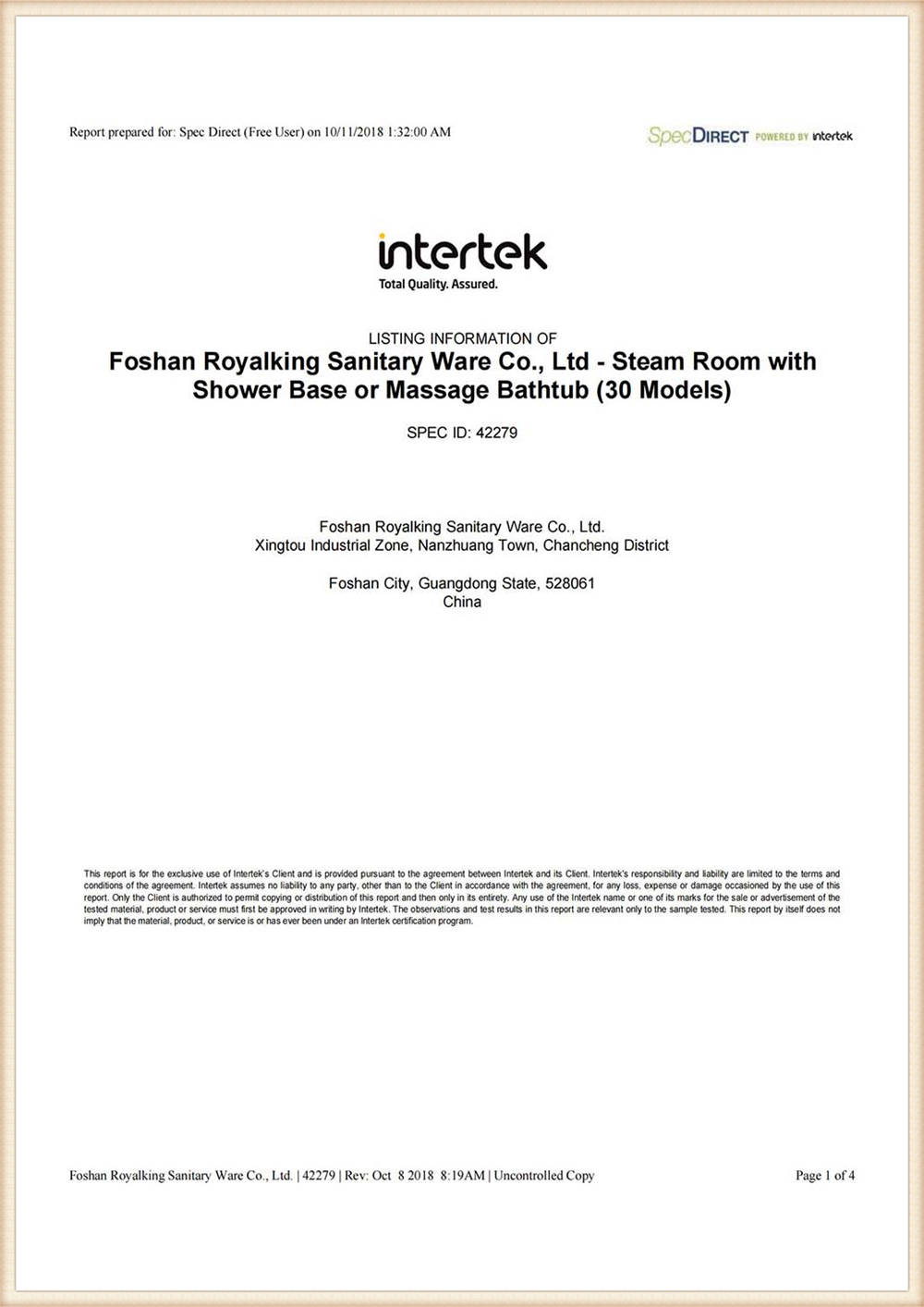
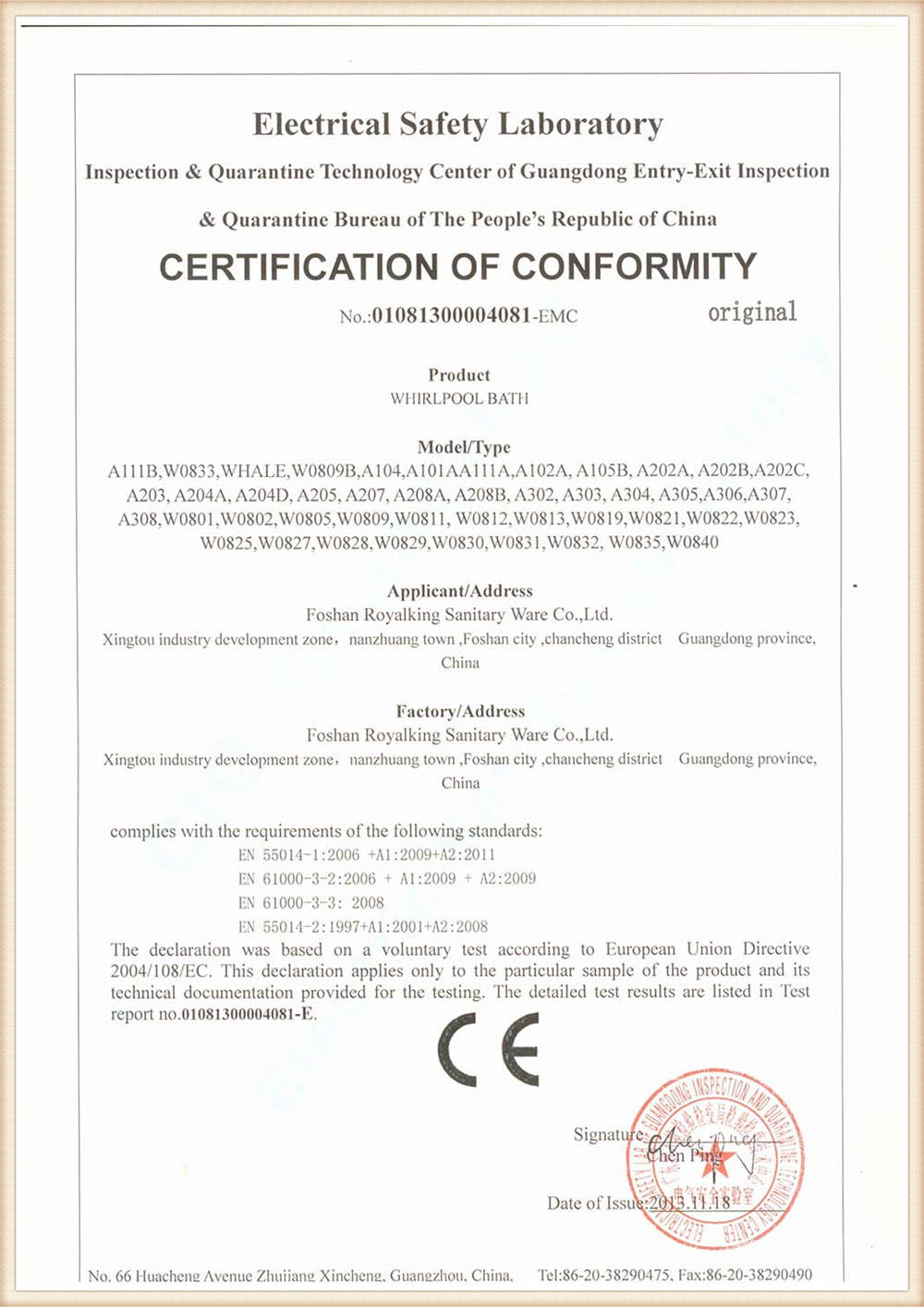
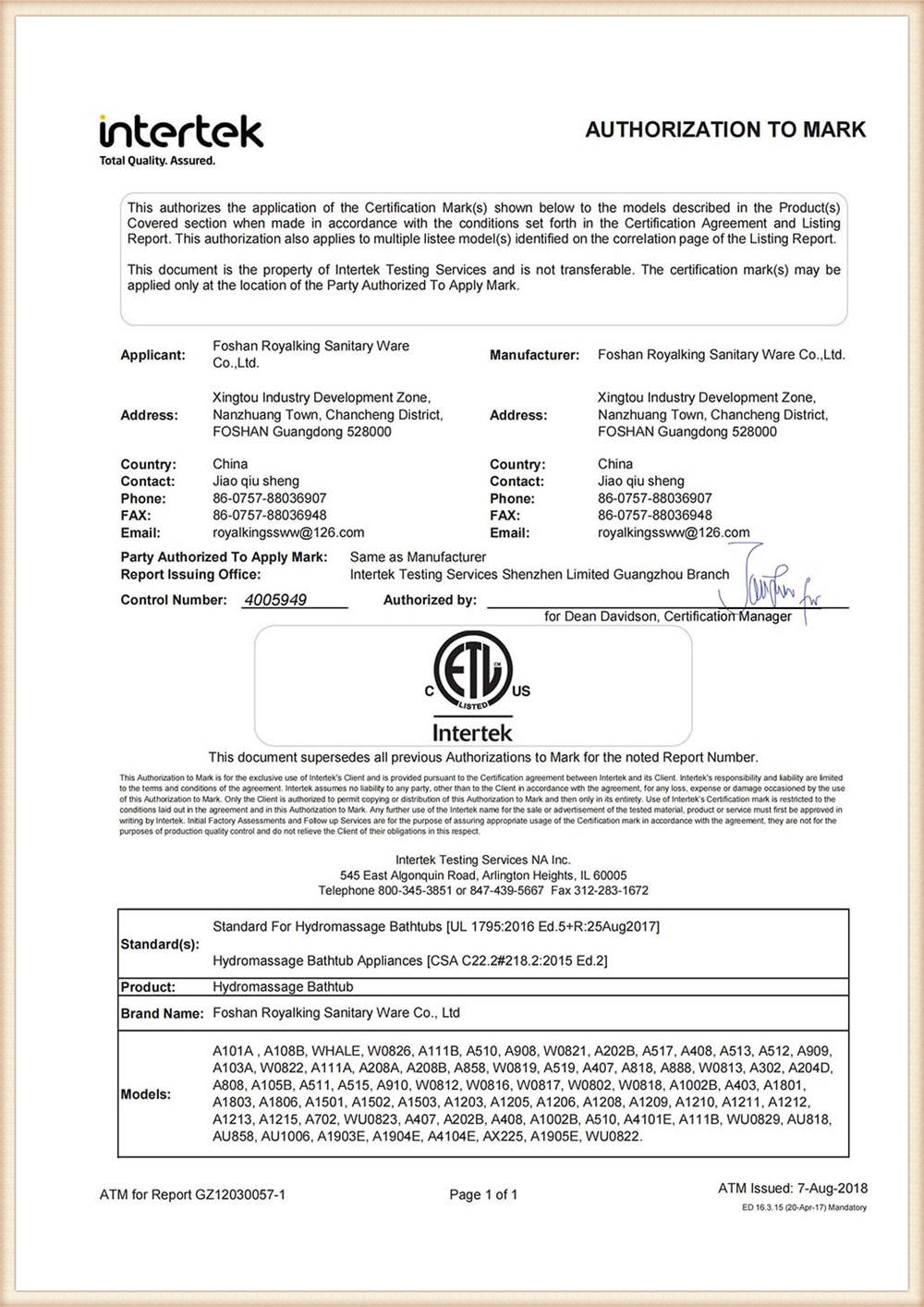
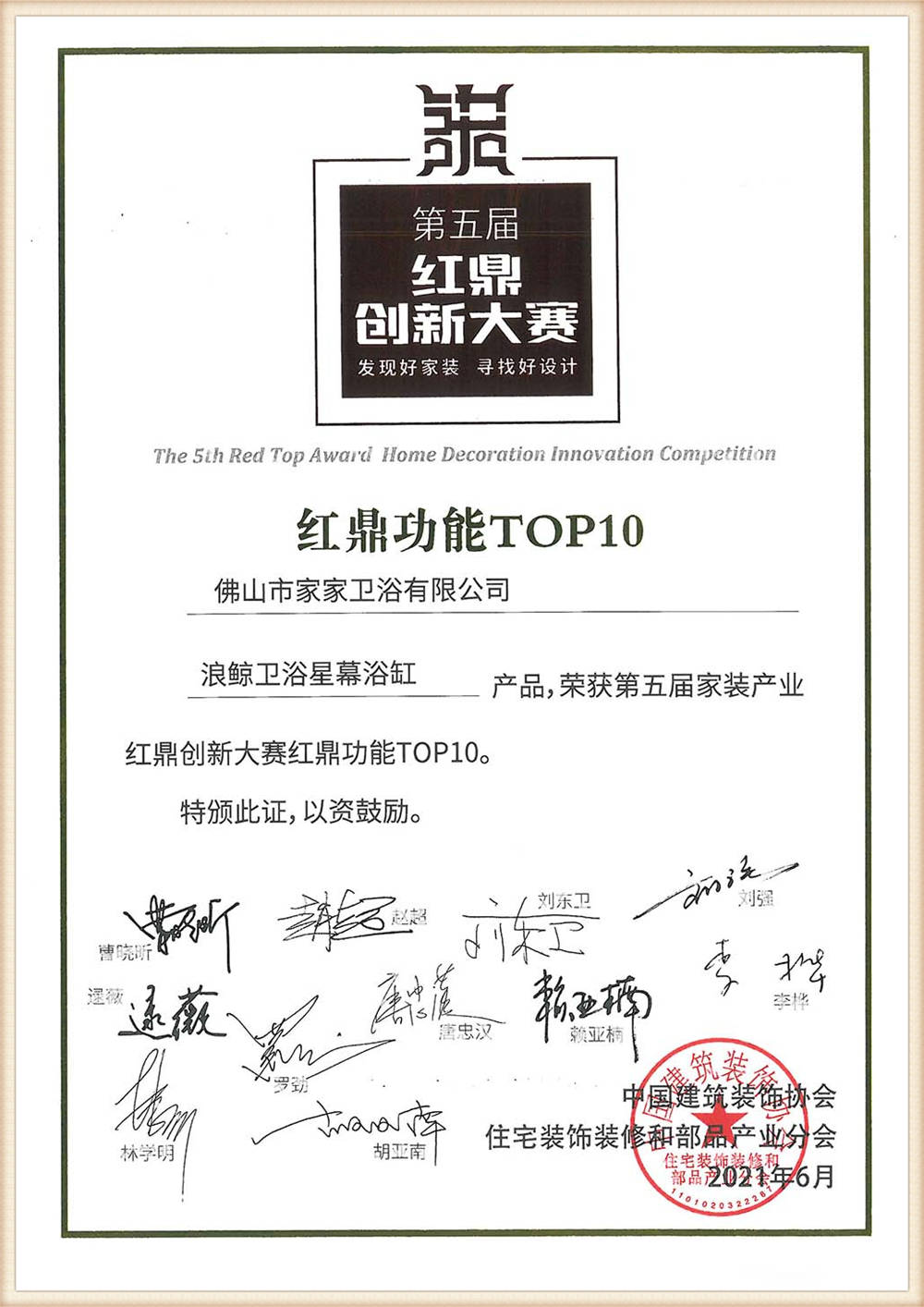
By focusing sharply on R&D and internal management systems, SSWW prioritizes efficiency and technology. Excellent quality control across all production stages guarantees customer satisfaction. Innovation is in our DNA, resulting in over 200 patents in the intellectual property field and compliance with major global safety and quality standards, including ISO9001, CE, EN, ETL, SASO, and cUPC.

Premium Sanitary Ware & Bath Fittings
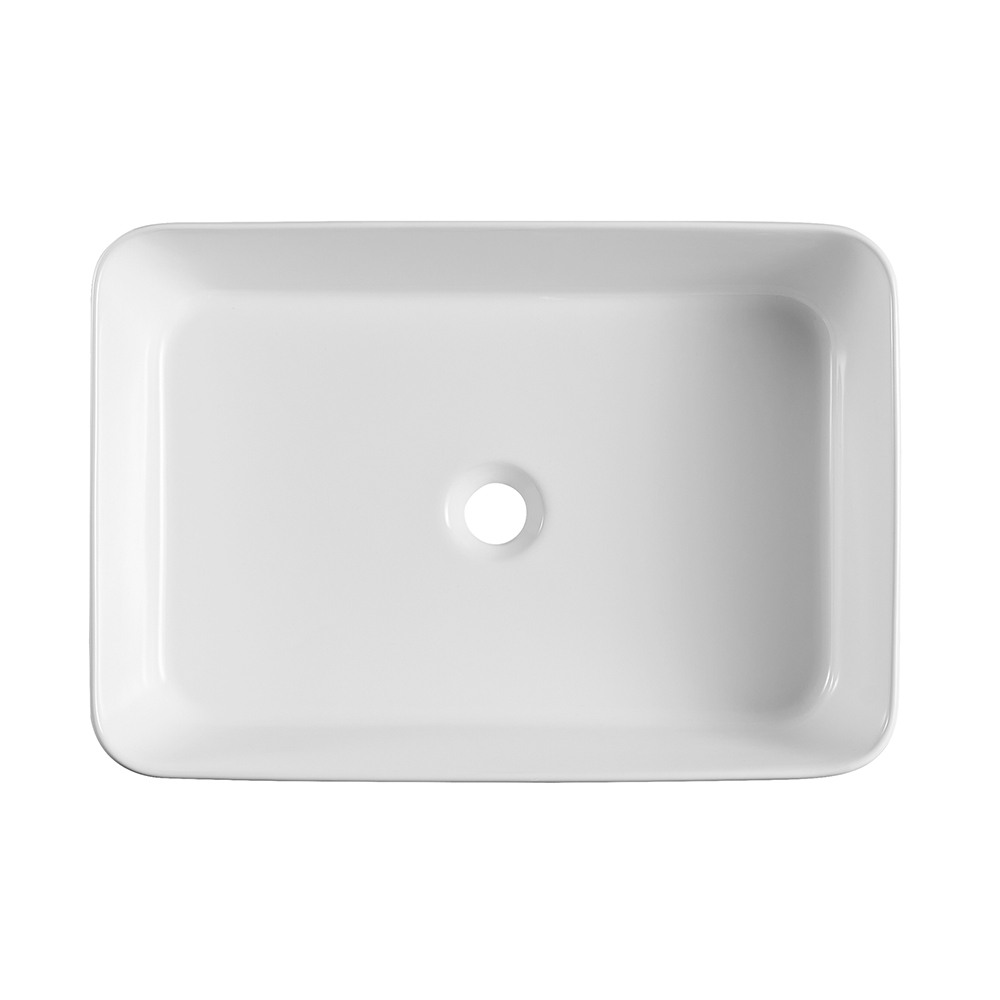
SSWW Ceramic Basin CL3316
View Details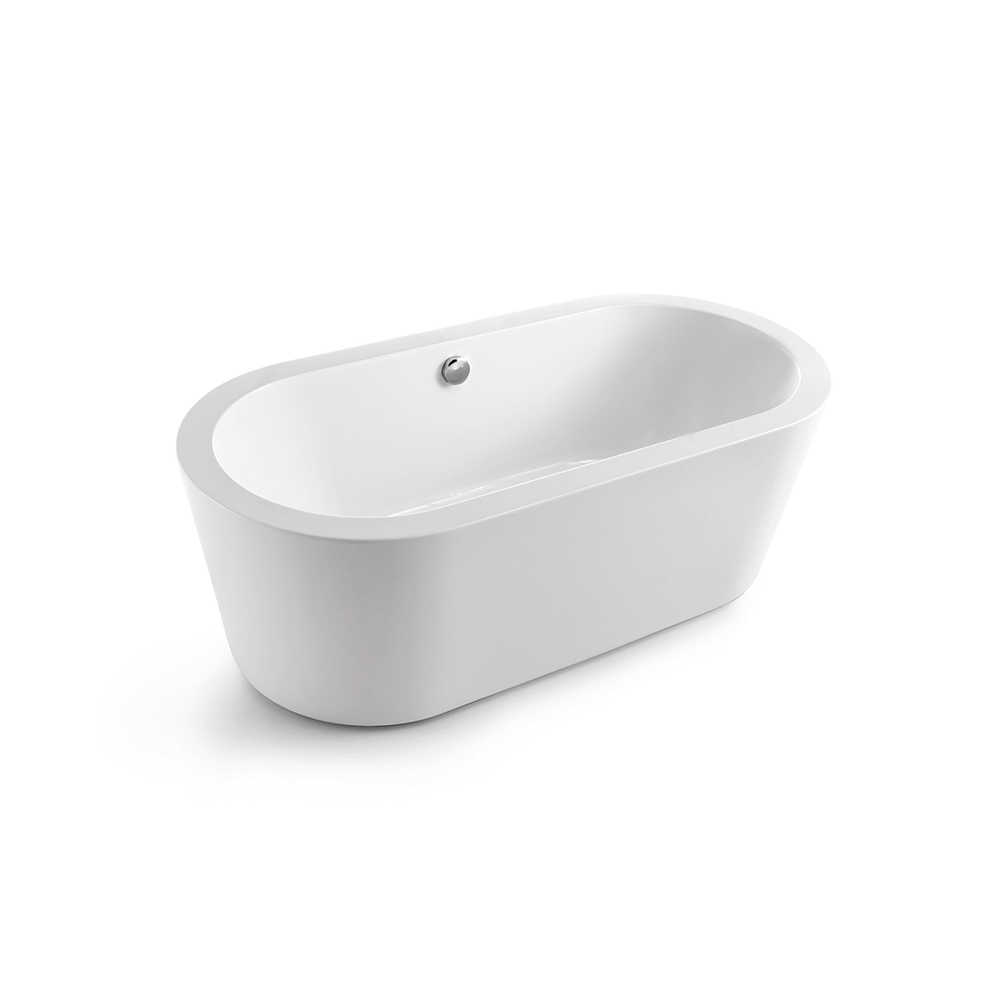
SSWW FREE STANDING BATHTUB M602 FOR 1 PERSON 1700X820MM
View Details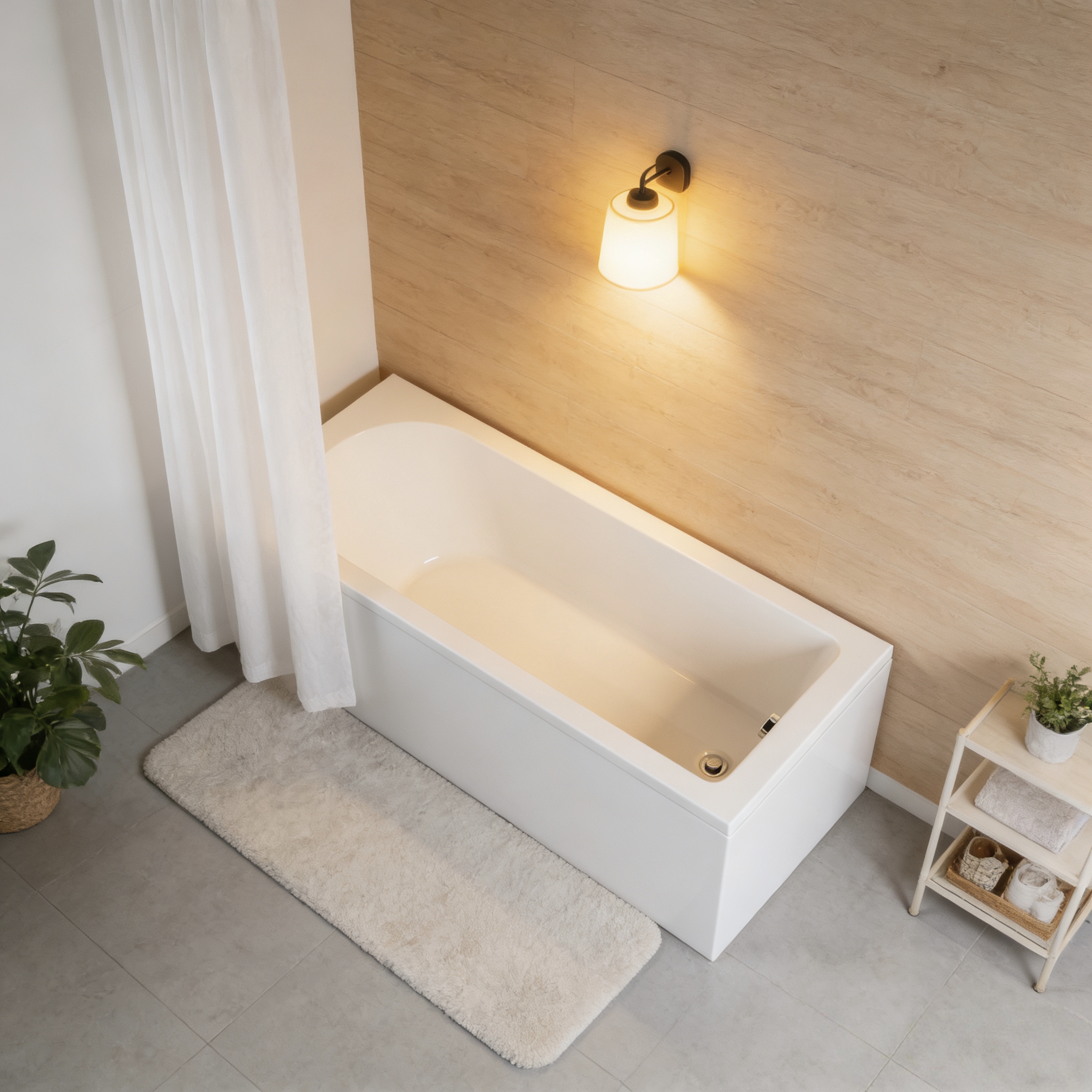
SSWW BUILT-IN BATHTUB WA1083 FOR 1 PERSON
View Details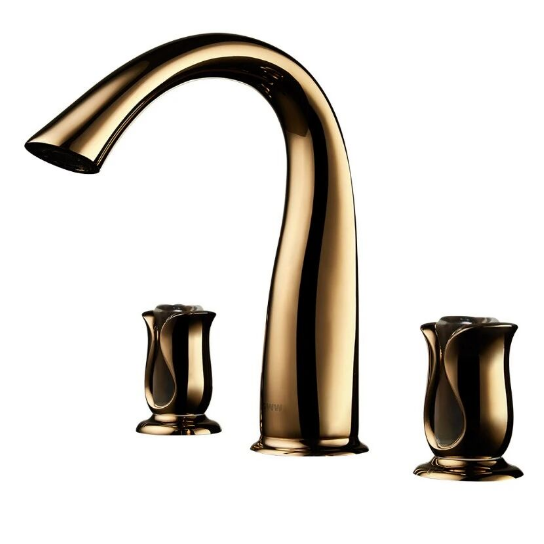
BASIN FAUCET SATM032A-LG3-1
View Details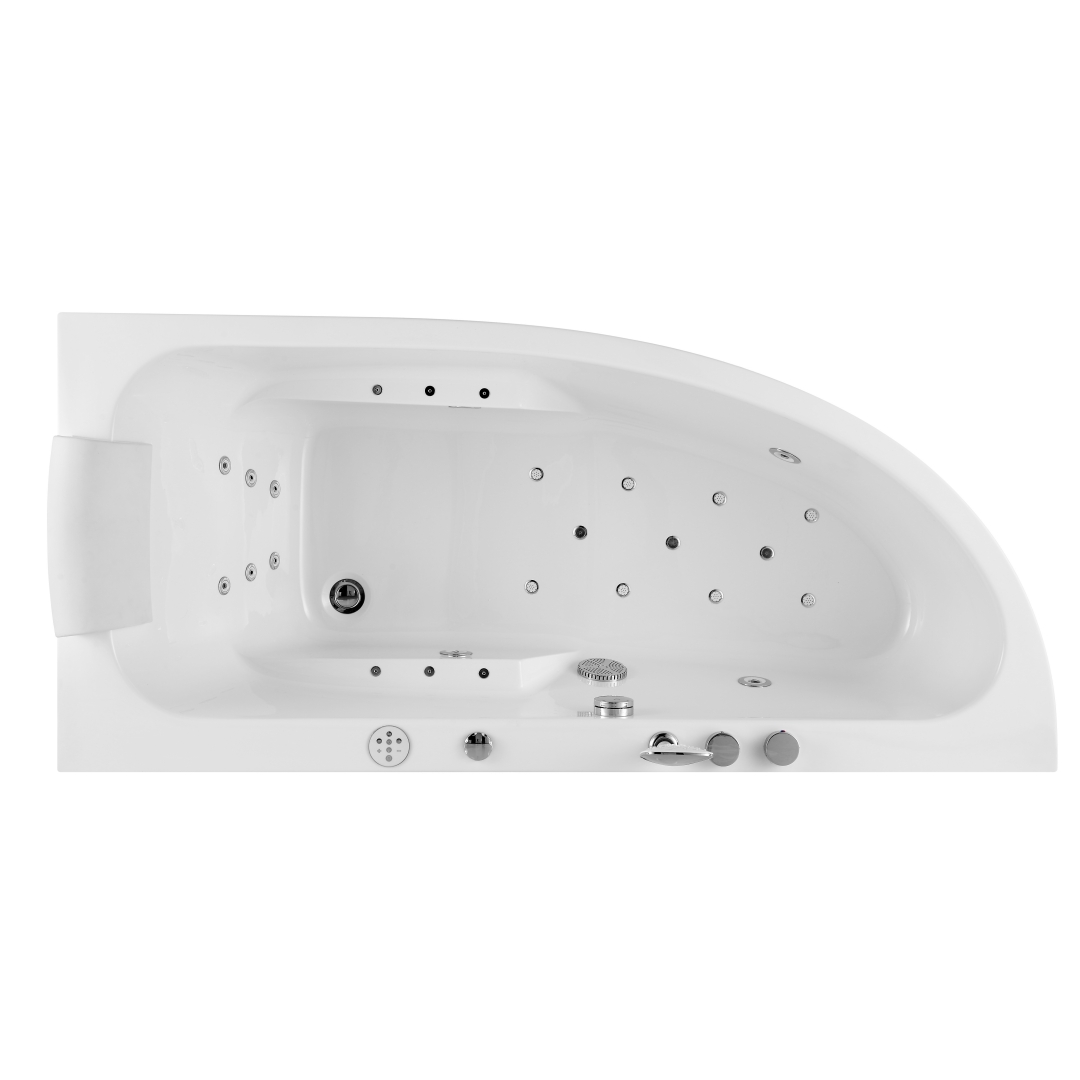
SSWW MASSAGE BATHTUB A1902 Pro FOR 1 PERSON
View Details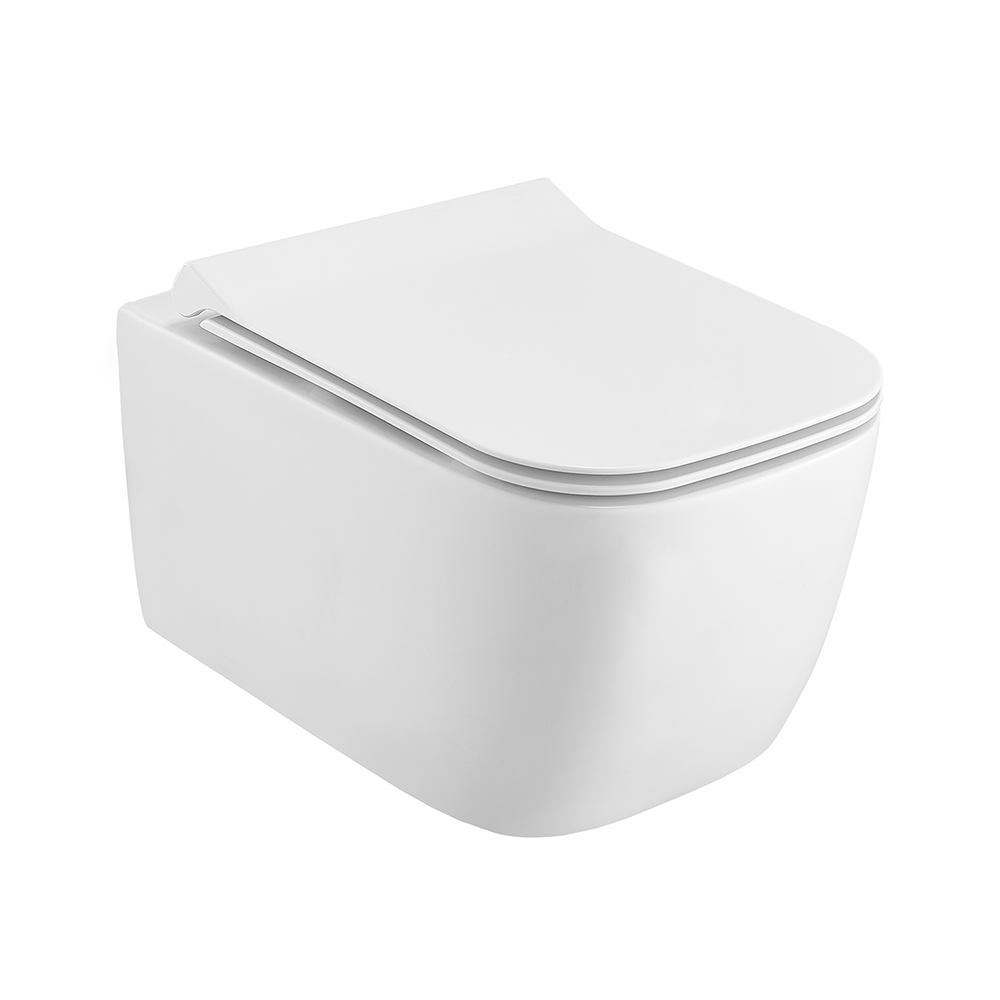
SSWW RIM FREE WALL-HUNG TOILET / CERAMIC TOILET CT2067
View Details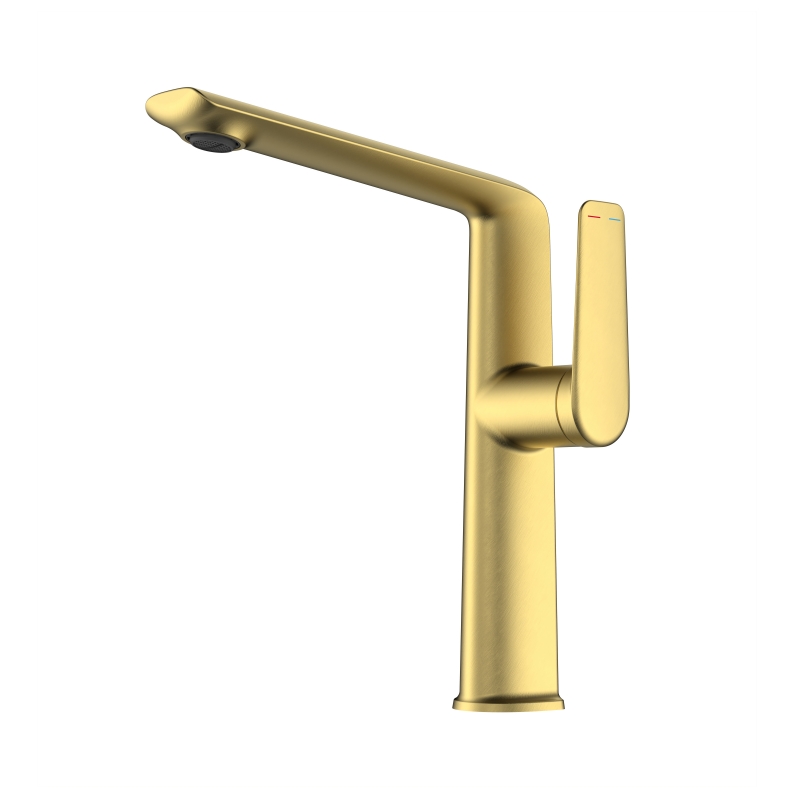
KITCHEN FAUCET WFD11252
View Details