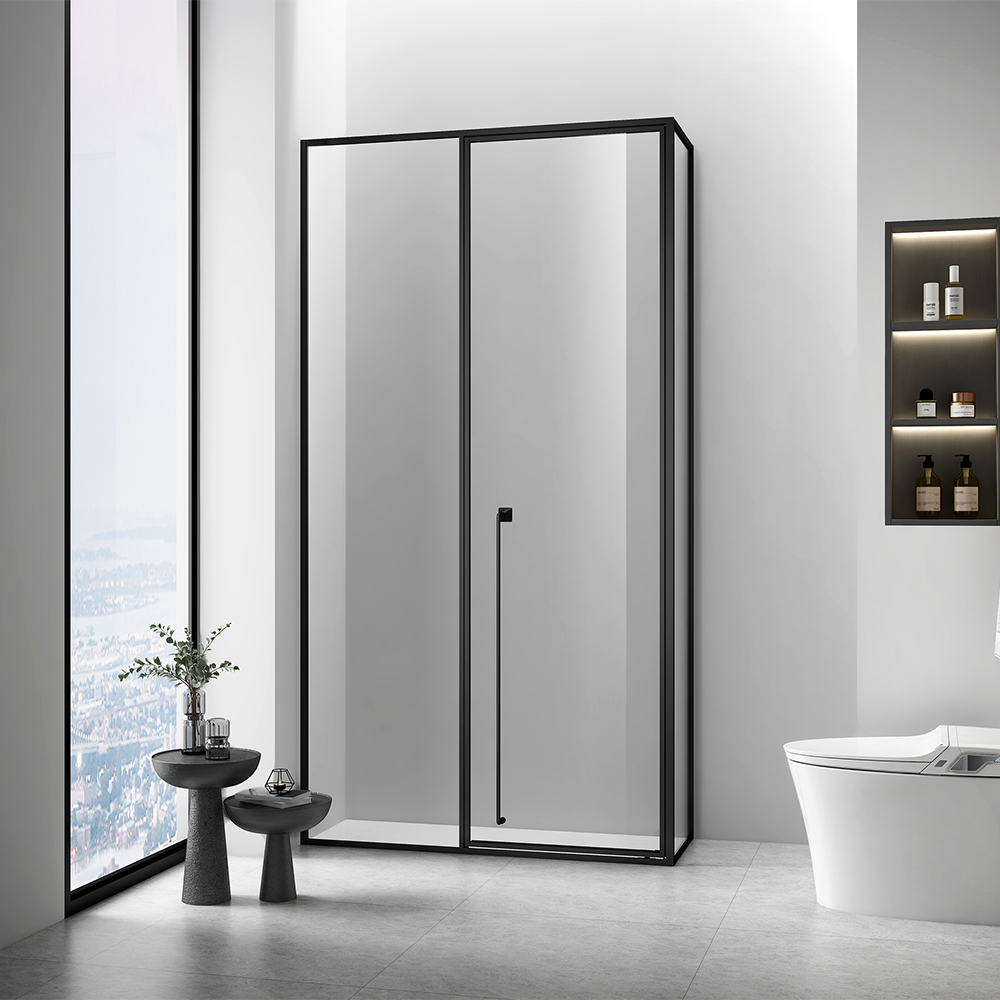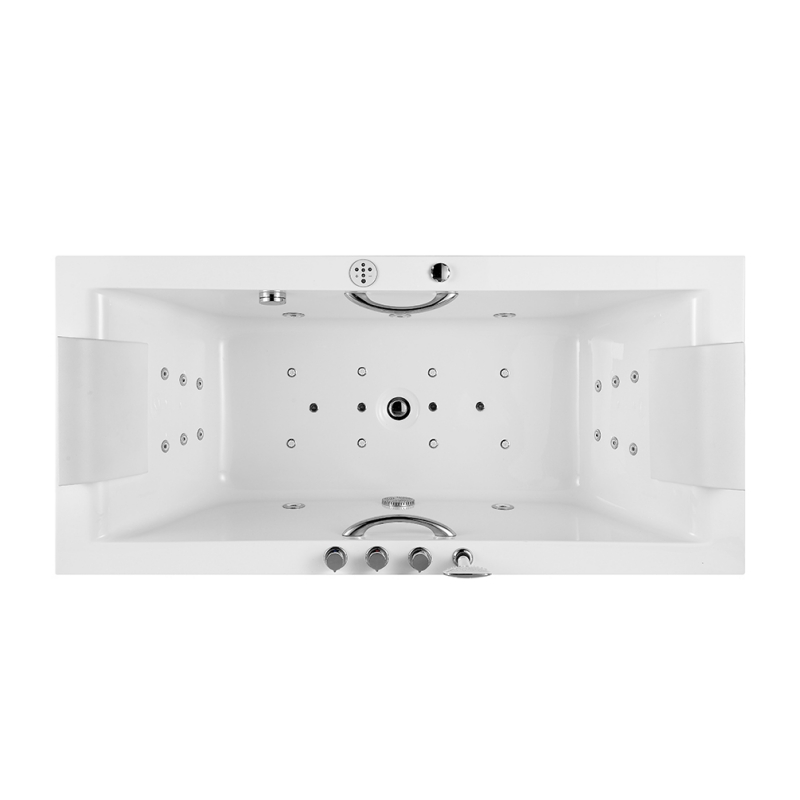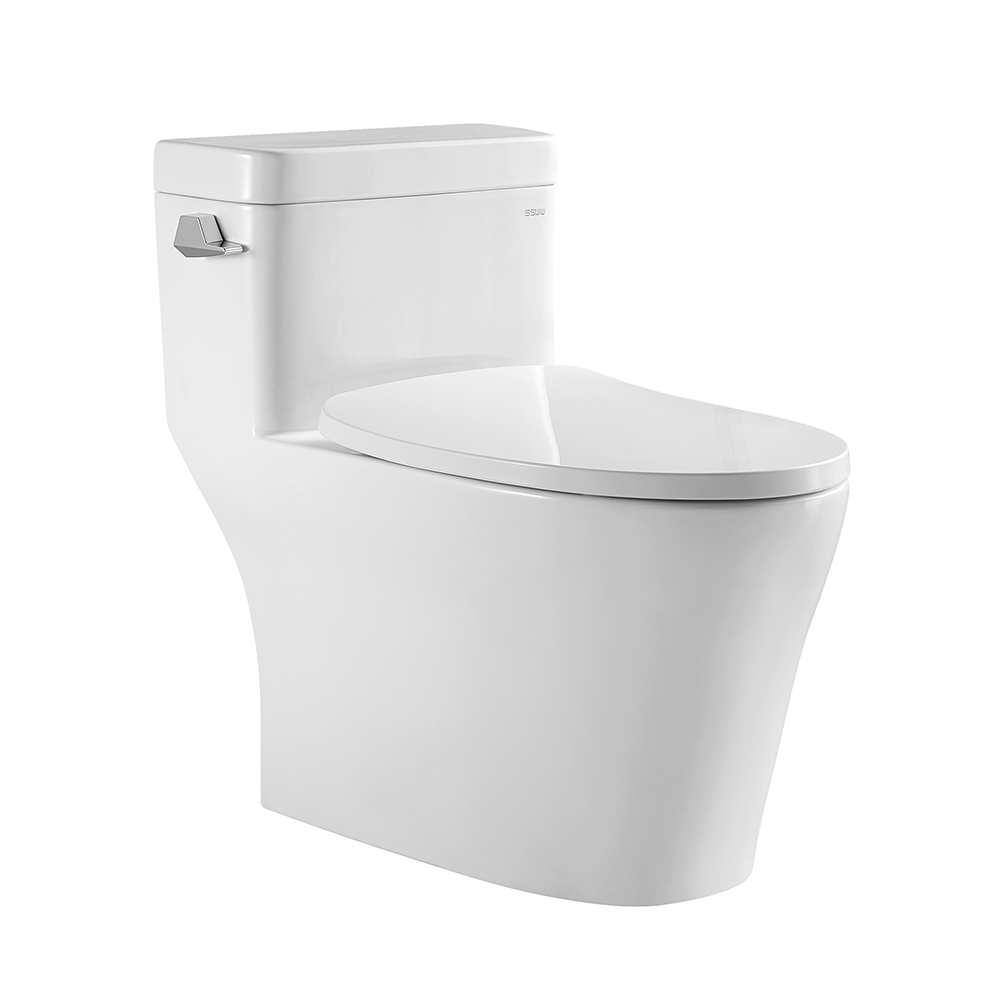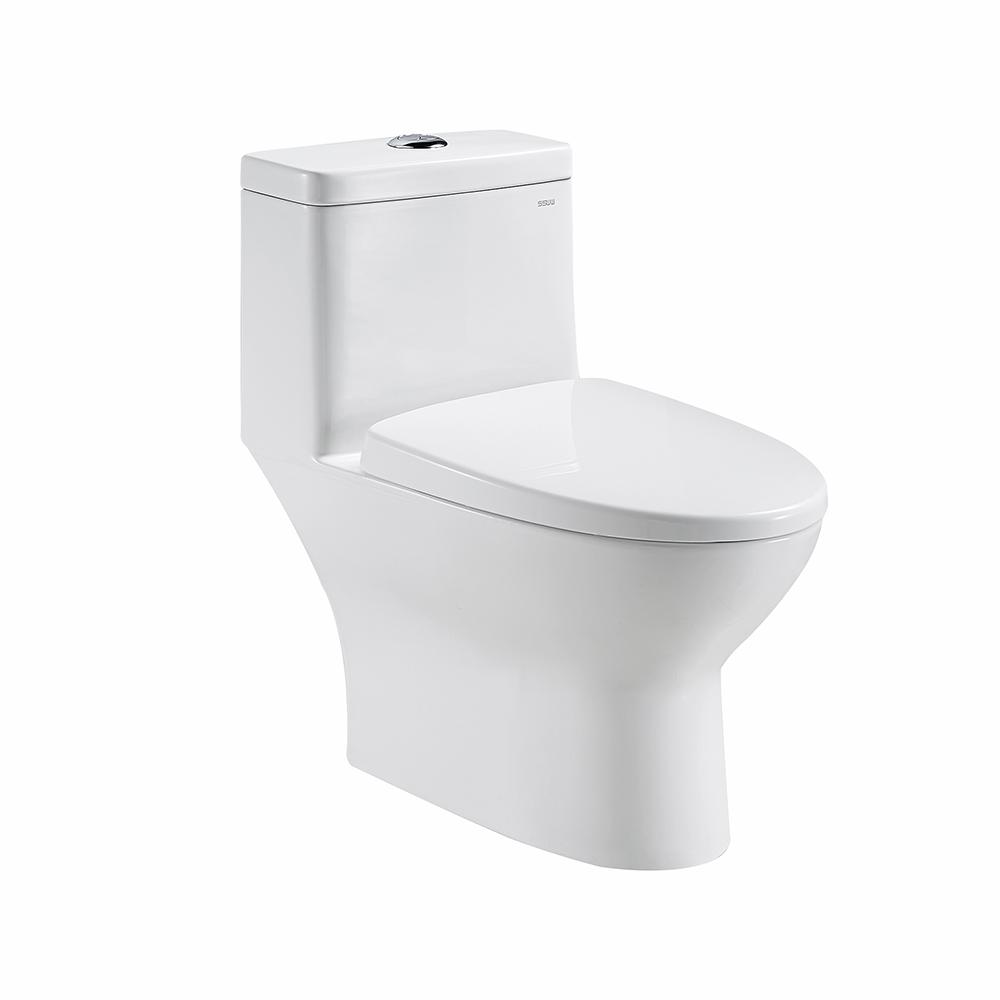
Featured Hydrotherapy & Sanitary Solutions
The Landscape of Hydromassage Tubs in Japan
Japan has long been globally recognized for its deep-rooted bathing culture, historically centered around natural hot springs (onsen) and public bathhouses (sento). In the modern era, this cultural appreciation for water-based relaxation has seamlessly transitioned into the residential and commercial sanitary sectors. Today, the demand for premium hydromassage tubs in Japan is expanding beyond simple luxury; it is becoming a cornerstone of preventative healthcare, active aging, and domestic wellness architecture.
For global manufacturers and local companies supplying the Japanese market, understanding the unique spatial, cultural, and technological requirements is paramount. Japanese homes typically utilize dedicated wet rooms (unit baths) where space optimization is critical. Consequently, hydromassage tub designs in Japan prioritize ergonomic layouts, low step-in heights, and advanced water purification systems that comply with strict local water-saving guidelines.
Micro-Bubble Technology
Japanese consumers highly favor micro-bubble and nano-bubble infusion systems that clean pores deeply while providing a soothing, milky-water texture without the need for harsh chemicals.
Eco & Energy Efficiency
With high utility costs, modern tubs integrated into Japanese smart grids feature advanced heat retention covers and low-energy consumption circulation pumps.
Smart Home IoT
Integration with home automation assistants allows users to pre-heat water, adjust jet configurations, and monitor water quality remotely via mobile applications.
Targeted Local Application Scenarios
The application of high-end hydromassage systems in Japan spans several distinct commercial and residential sectors, each demanding specific engineering designs:
1. Luxury Ryokans & Boutique Hotels
Traditional Japanese inns (Ryokans) are increasingly retrofitting their private guest rooms with modern hydromassage tubs to complement their natural hot spring offerings. By installing premium indoor and outdoor whirlpools, these hospitality establishments provide international and domestic travelers with private, hygienic, and highly customizable hydrotherapy sessions.
2. Urban Day Spas & Wellness Centers
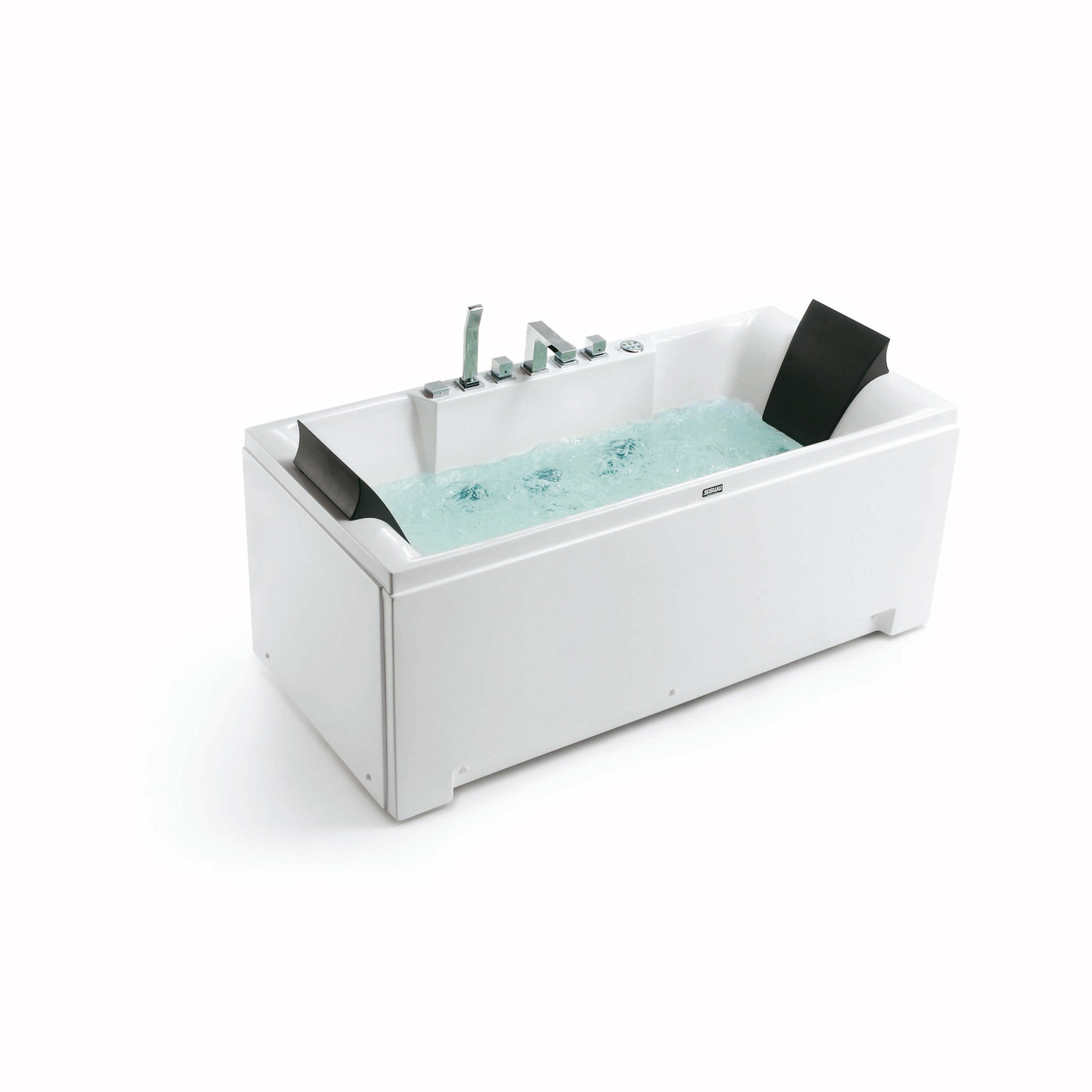
In metropolitan areas like Tokyo, Osaka, and Yokohama, space is at a premium. Day spas utilize compact, high-efficiency single-person and two-person massage bathtubs to offer rapid stress-relief therapies. These tubs feature target jet alignments designed to alleviate lower back pain and shoulder stiffness common among urban desk workers.
3. Modern Condominiums & Smart Homes
Premium real estate developers in Japan are adopting built-in hydromassage tubs as standard features in luxury high-rise apartments. These units require superior acoustic insulation to prevent vibration and pump noise from transferring through multi-story concrete structures—a field where advanced manufacturers excel.
4. Senior Living & Rehabilitation Facilities
With one of the world's most rapidly aging populations, Japan's healthcare sector utilizes specialized hydrotherapy tubs for low-impact physical therapy. Gentle hydromassage helps improve blood circulation, reduce joint pain, and assist in muscle recovery for elderly patients under safe, controlled conditions.
Manufacturing Capabilities & Global Footprint
-
📍
Location Foshan City, Guangdong province, China
-
🏭
Business Type Manufacturer
-
📅
Year Established 1994
-
👥
Total Employees 1001-1500 people
-
💰
Total Annual Revenue 150 - 170 million USD
-
🚢
Export Percentage 10%
-
📦
Main Products Massage bathtub, free standing bathtub, steam cabin, shower enclosure, ceramic toilet/basin, bathroom cabinet, hardware
-
🌍
Major Markets Europe, Middle East, North America, South America, North Africa, South Africa, South Asia, Domestic market
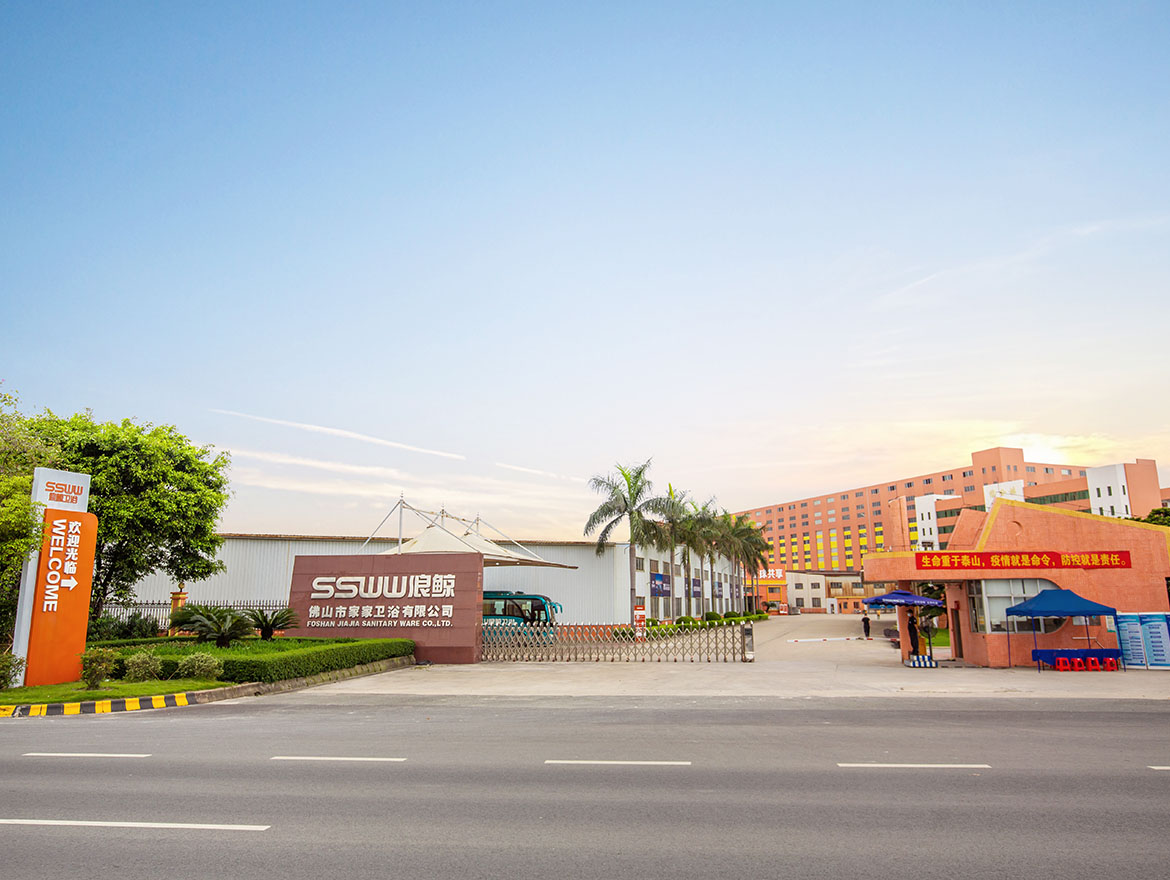
FACTORY & SHOWROOM
Standing for Splendid Sanitary Ware World, the SSWW brand has become increasingly popular in both domestic and overseas markets through continuous investment by Foshan Royalking Sanitary Ware Co., Ltd., a professional manufacturer specializing in comprehensive bathroom solutions for decades. As one of the largest integrated sanitary ware manufacturers in China, SSWW currently operates 2 large production bases with over 1,000 employees, covering more than 150,000 square meters.
Our infrastructure features 6 chain-related factories manufacturing massage bathtubs, steam cabins, ceramic toilets, ceramic basins, shower enclosures, bathroom cabinets, hardware fittings, and accessories. With rapid development over the years, SSWW has grown to support over 1,500 shops and showrooms in mainland China and has successfully extended sales to 107 countries and regions worldwide, including Germany, Switzerland, the USA, Russia, the UK, and Poland.
Standardization, Patents & Quality Assurance
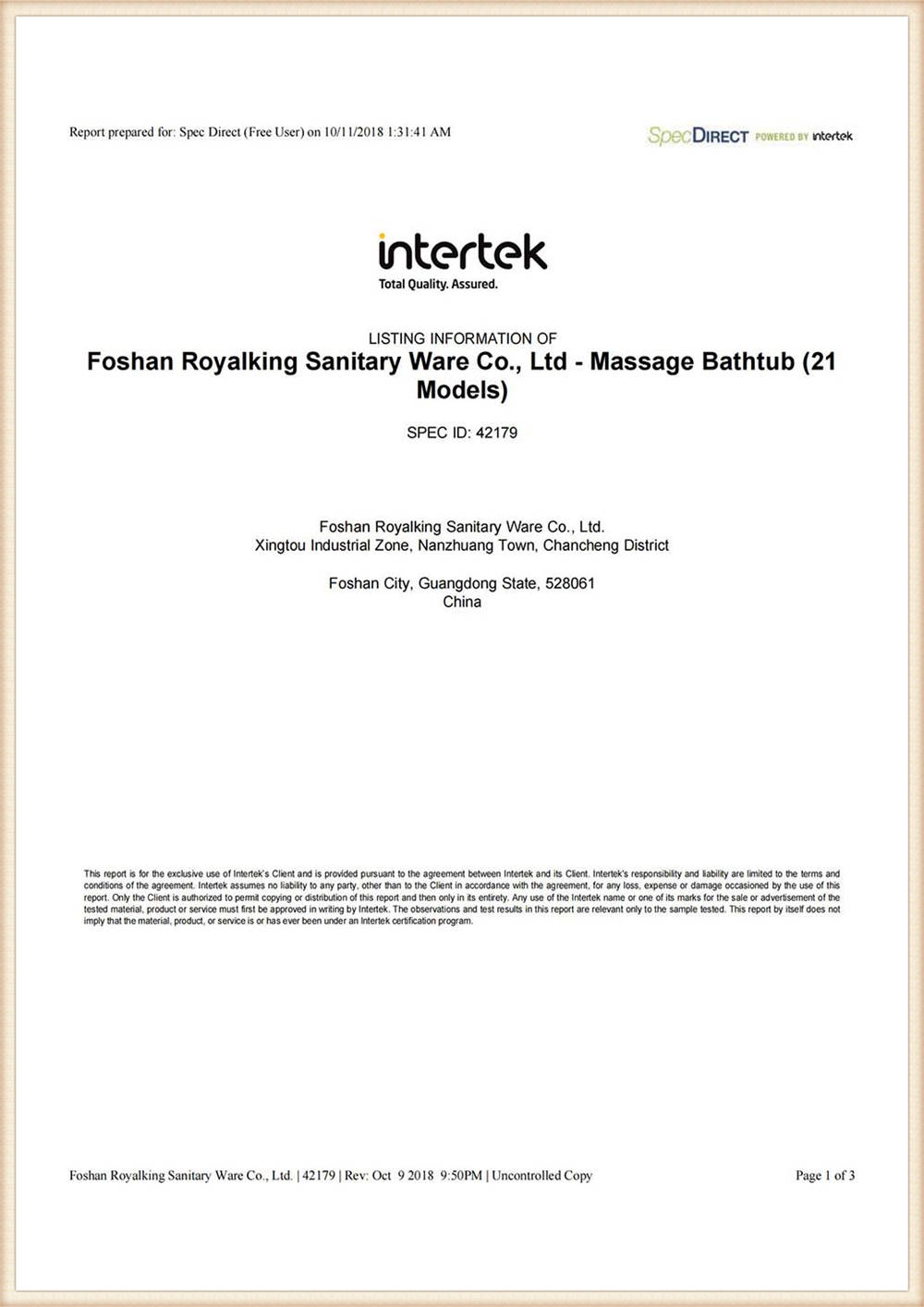
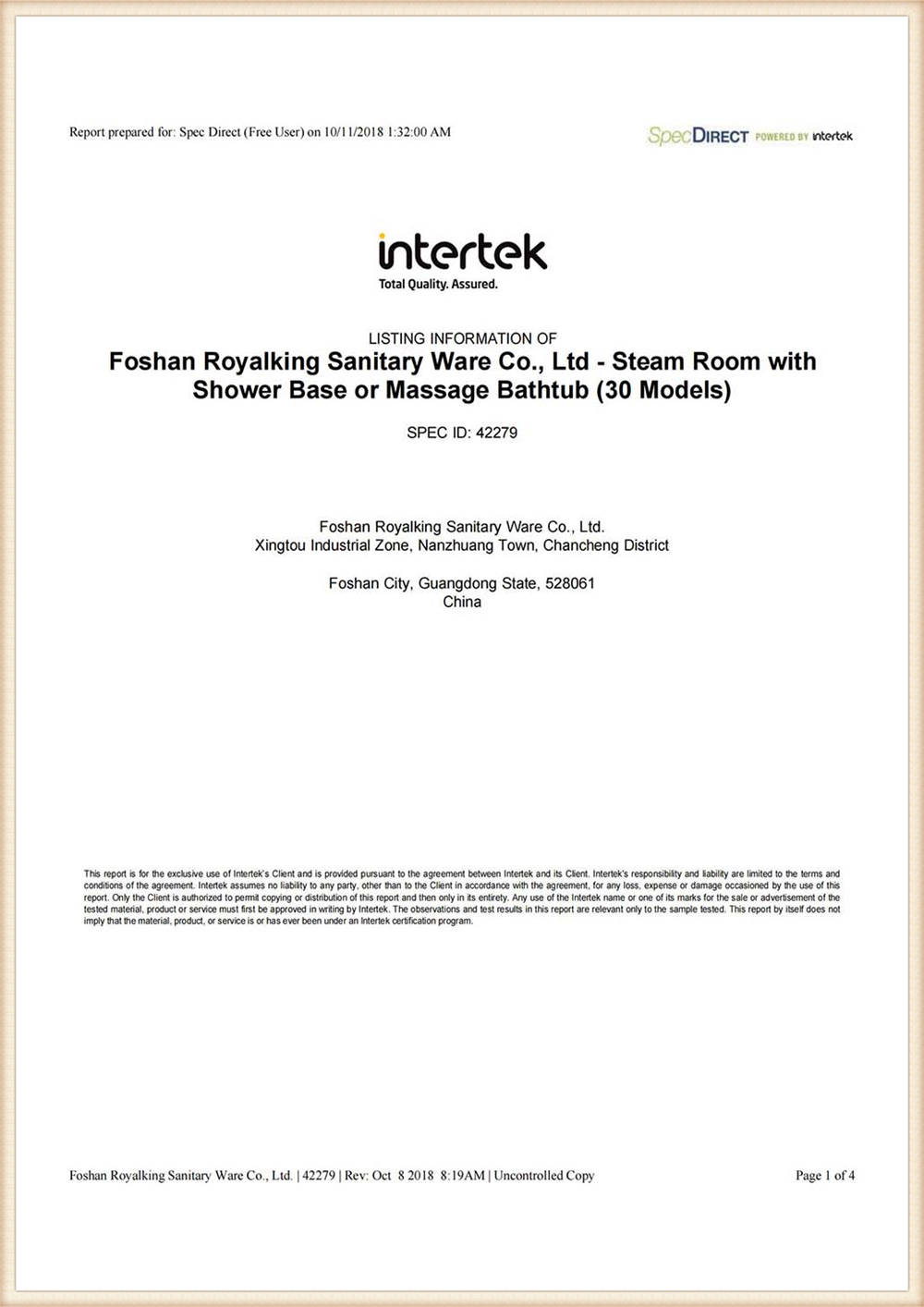
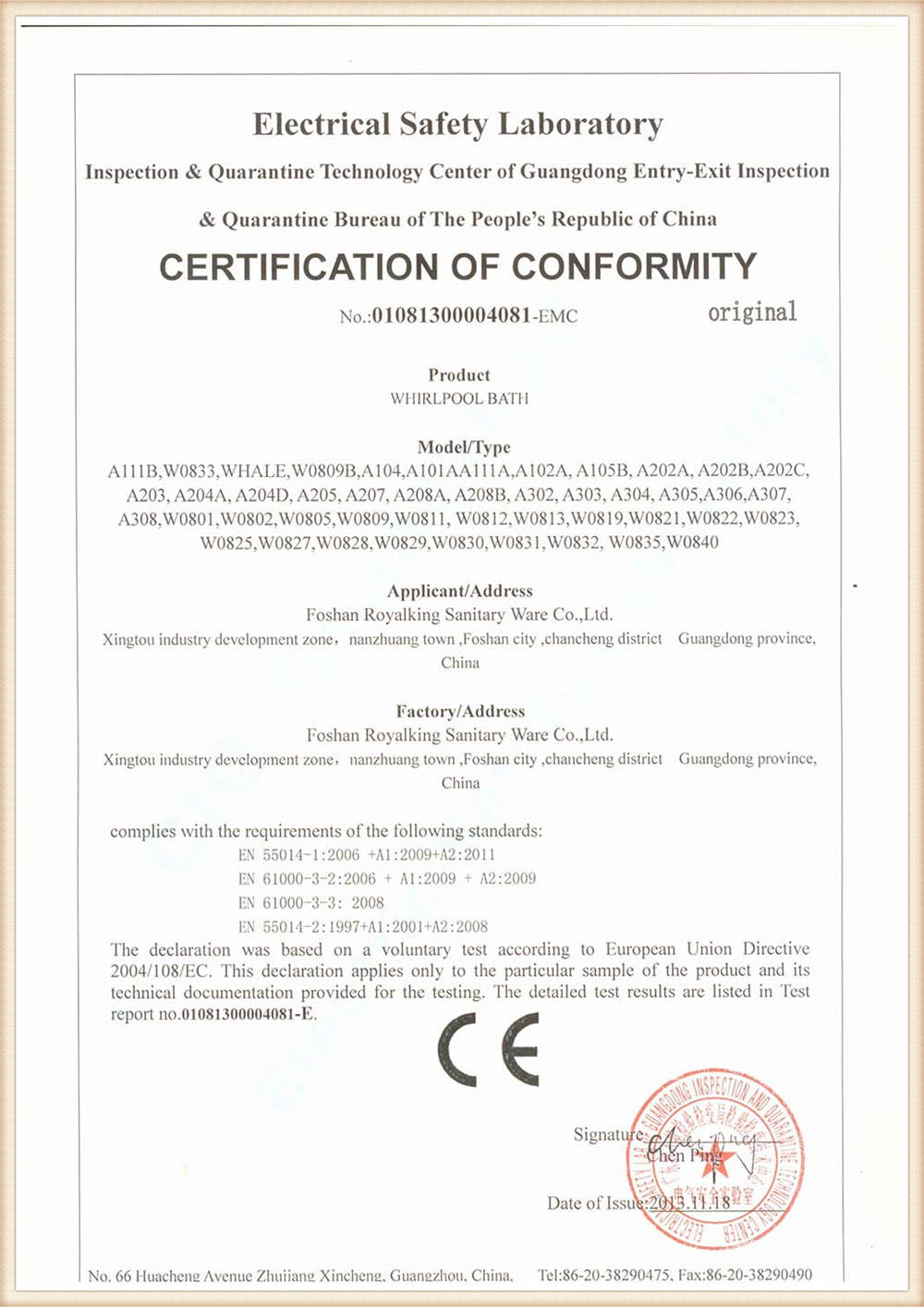
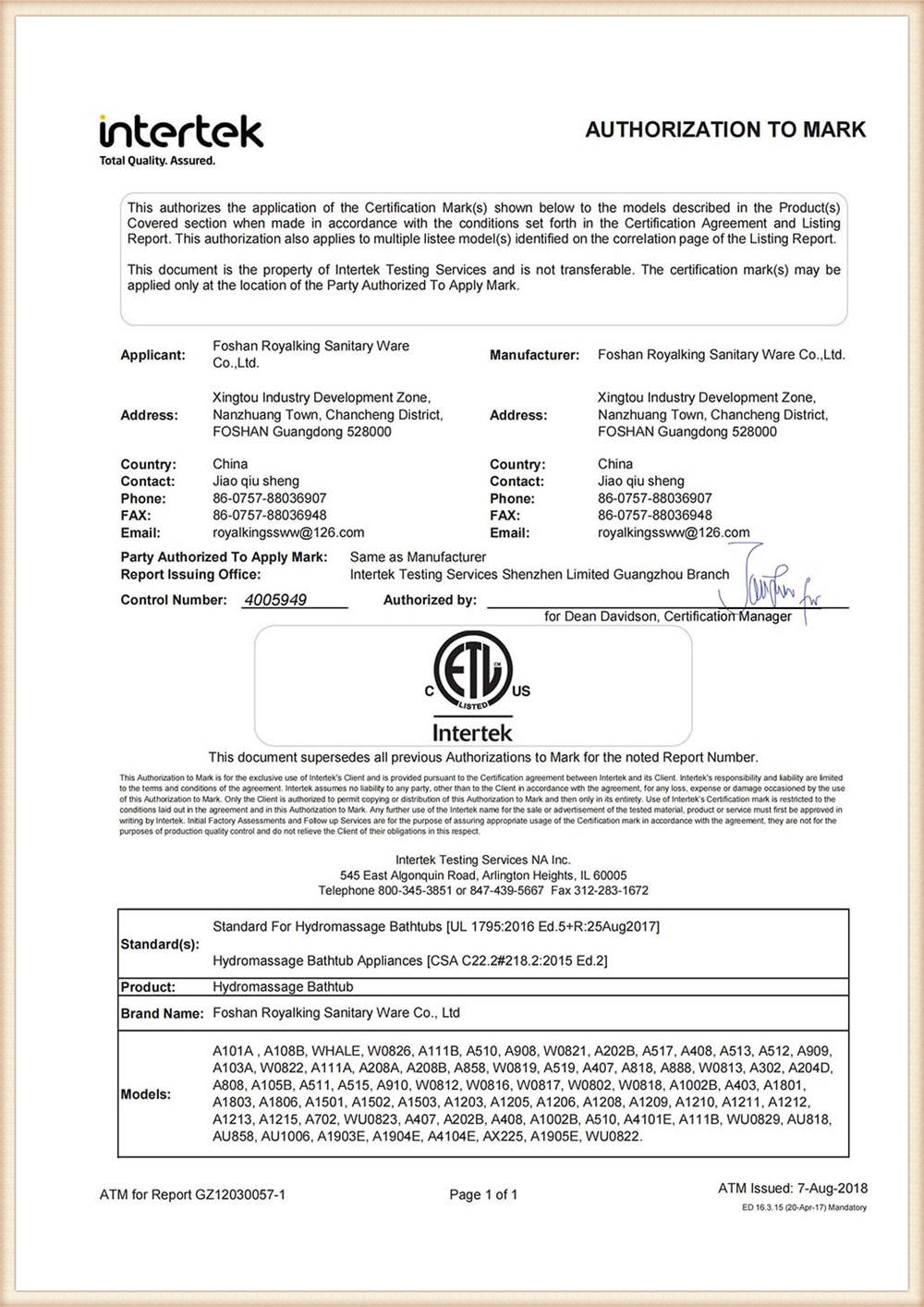
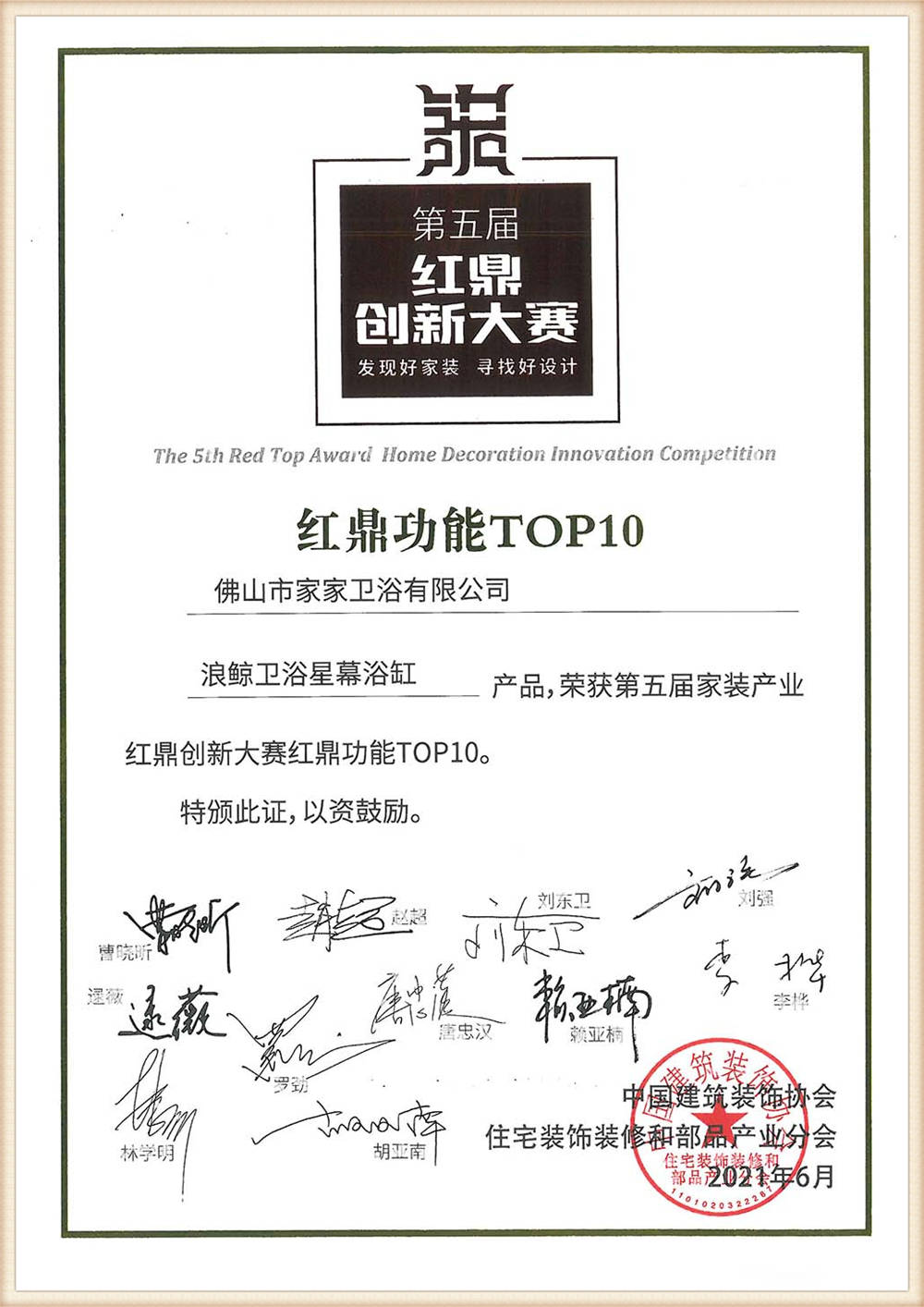
Based on our strict focus on R&D and internal management systems, SSWW pays high attention to efficiency and technology, implementing excellent quality control throughout all stages of production to ensure maximum customer satisfaction. Driven by creative engineering, SSWW has secured more than 200 patents in the intellectual property field. We strictly adhere to global standards and certifications, including ISO9001, CE, EN, ETL, SASO, and more, ensuring our products meet the technical and safety demands of highly regulated markets like Japan.
Official Certifications

Our Complete Sanitary Ware & Bath Catalog