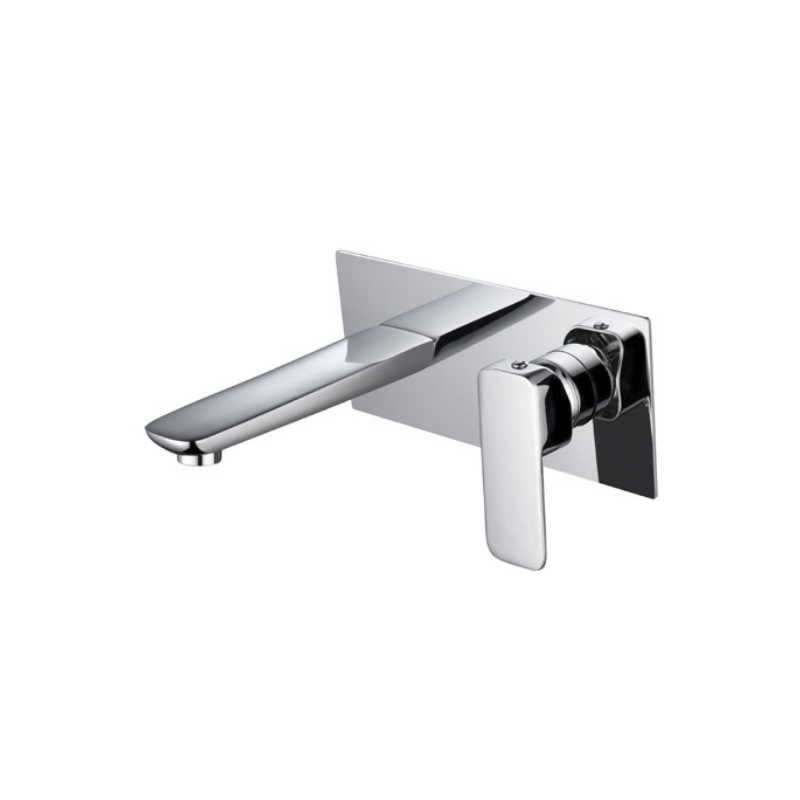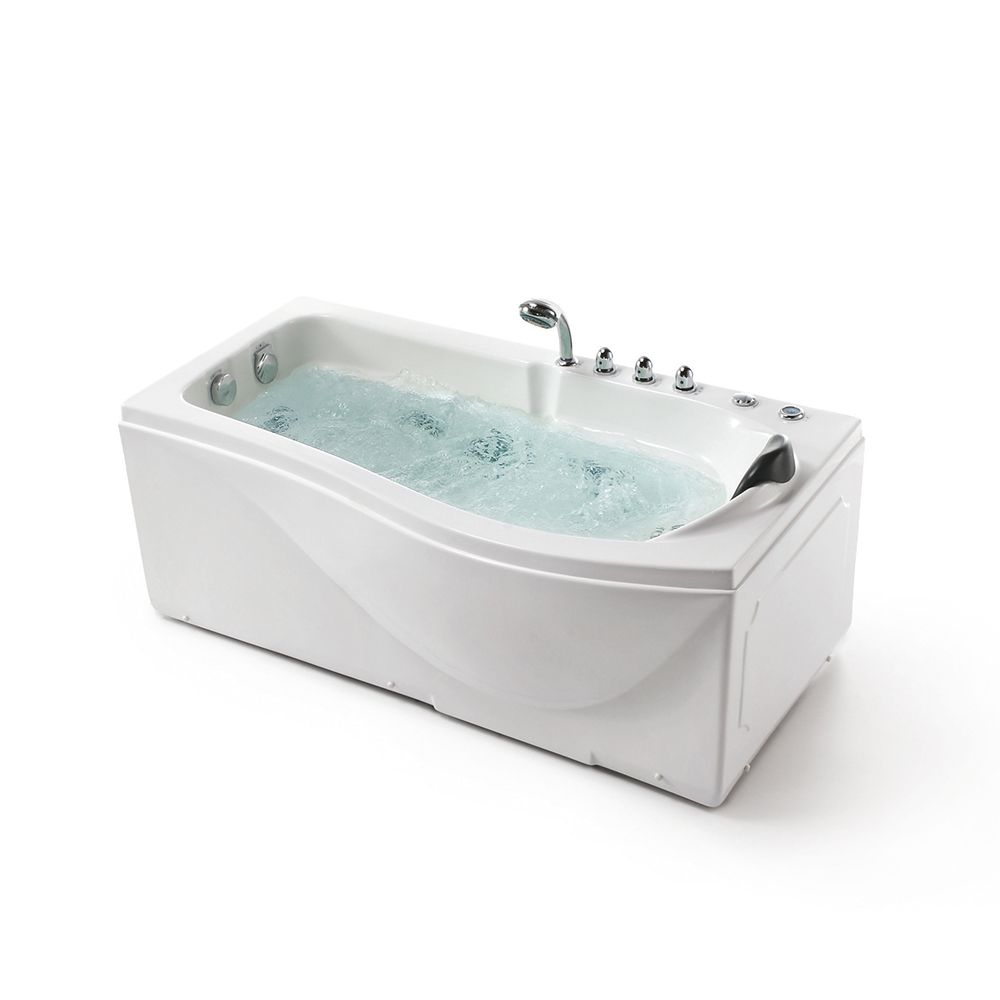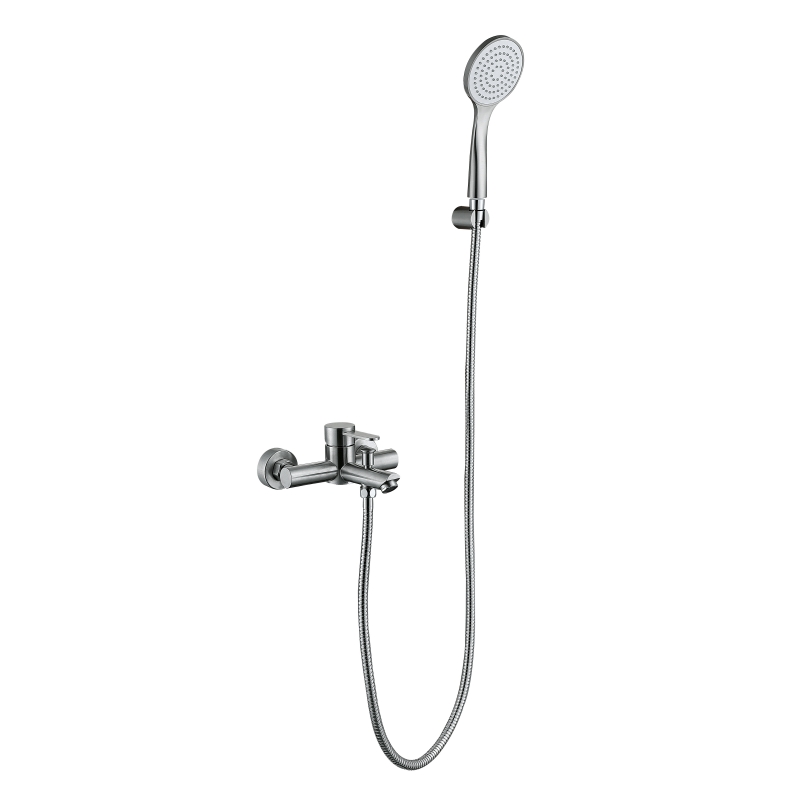
Featured Smart Sanitary Solutions
Explore our initial selection of high-performance fixtures engineered for modern luxury bathroom environments.
The Rise of Intelligent Toilets in the United States: A Paradigm Shift
The landscape of the American bathroom is undergoing a profound transformation. Traditionally focused on basic functionality and standard plumbing setups, modern homeowners, real estate developers, and commercial project managers across the United States are aggressively adopting smart home technologies. Among these innovations, the smart toilet has emerged as one of the fastest-growing segments. Originally popularized in Japan and China, intelligent toilets are now transitioning from high-end luxury items to standard fixtures in contemporary American households.
This shift is driven by several key factors: an increased cultural focus on personal hygiene, the post-pandemic emphasis on touchless environments, and the growing smart home ecosystem where everything from lighting to climate control is integrated. Chinese smart toilet exporters and suppliers have played a pivotal role in this transition. By combining advanced manufacturing processes, heavy investment in R&D, and cost-efficient supply chains, Chinese manufacturers are delivering state-of-the-art products that meet the stringent regulatory standards of the US market while remaining financially accessible.
Commercial & Industrial Landscape of Smart Toilets in the US
In the United States, the commercial real estate sector is recognizing the value of intelligent sanitary ware. Boutique hotels, luxury condominiums, and Class-A office buildings in metropolitan hubs like New York, Los Angeles, and San Francisco are increasingly specifying smart toilets to attract premium tenants and guests. In these settings, smart toilets serve as a tangible indicator of luxury, modern design, and eco-consciousness.
From an industrial perspective, the supply chain for smart toilets involves a complex network of manufacturers, distributors, and compliance testing bodies. Because plumbing and electrical standards in the US are highly regulated (requiring certifications such as cUPC, UL, and WaterSense), Chinese exporters have significantly upgraded their engineering practices. Today, leading Chinese suppliers do not just replicate existing designs; they pioneer new technological features, patenting advanced thermal heating systems, low-pressure flush mechanisms, and integrated medical-grade sensors.
Global Manufacturing Strength & Profile
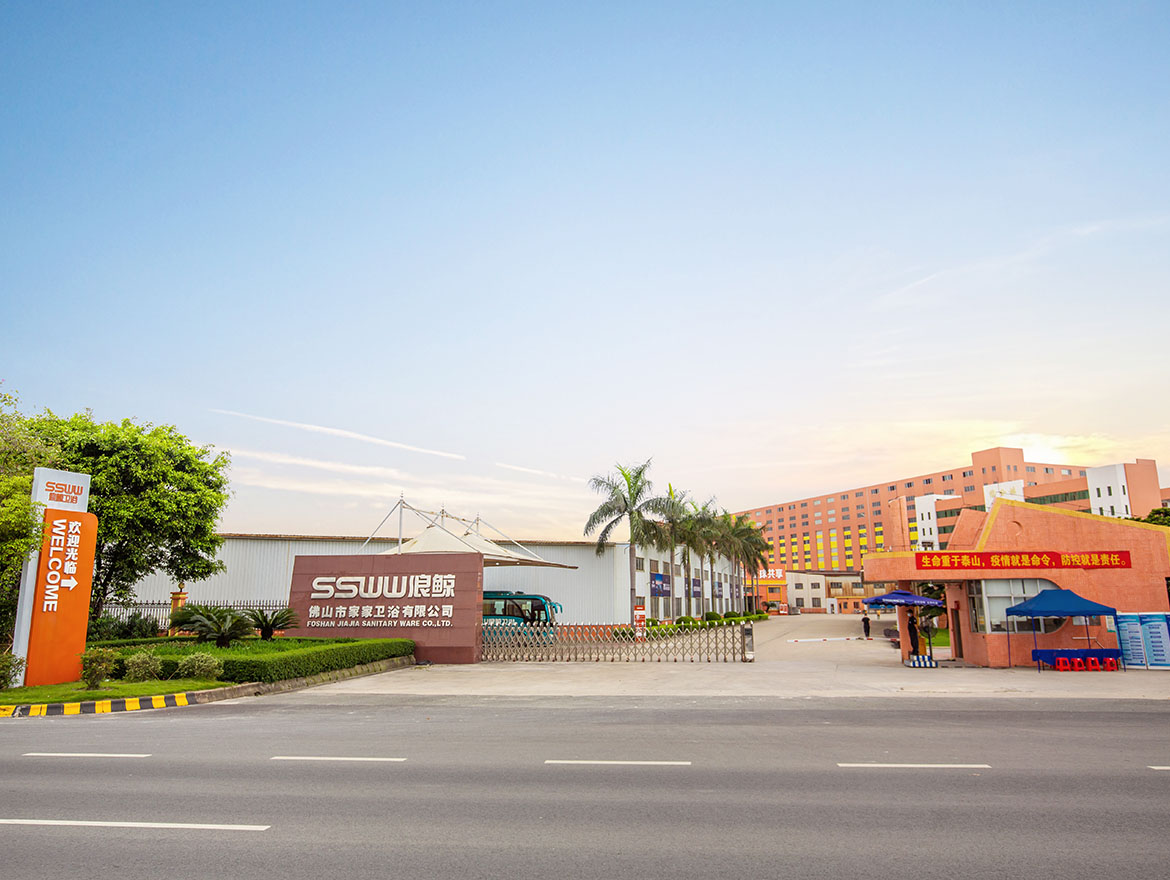
Standing for Splendid Sanitary Ware World (SSWW), the brand has become increasingly popular in both domestic and overseas markets. This success is backed by continuous investment from Foshan Royalking Sanitary Ware Co., Ltd., a professional manufacturer specialized in comprehensive bathroom solutions for decades.
Key Industry Trends: What's Driving the Smart Toilet Market?
To understand why Chinese smart toilet suppliers are gaining substantial market share in the United States, it is essential to analyze the primary technological trends shaping the industry:
Eco-Friendly Water Conservation
Water scarcity is a critical concern across US states like California, Texas, and Arizona. Modern smart toilets utilize dual-flush systems and pressure-assisted flushing technologies that consume less than 1.0 gallon per flush (GPF), comfortably beating the EPA WaterSense threshold while guaranteeing complete waste extraction.
AI & IoT Smart Home Integration
Today's consumers expect their bathrooms to be as connected as their kitchens. Top-tier Chinese suppliers are integrating IoT modules that connect to home automation networks. Features include voice-activated flushing, personalized user profiles (presets for water temperature, pressure, and nozzle position), and ambient nightlights.
Advanced Hygiene & Sanitization
Hygiene is paramount. Self-cleaning nozzles, UV-C sterilization lights that disinfect the wand after each use, and antimicrobial glazes on the ceramic bowl ensure maximum cleanliness. Pre-mist features coat the dry bowl with water before use to prevent waste adhesion, reducing the need for chemical cleaners.
Localized Application Scenarios in the United States
Understanding local demands is crucial for Chinese exporters looking to penetrate the US market. The application scenarios for smart toilets vary significantly depending on the target demographic:
- Modern Single-Family Homes & Smart Suburbs: In newly constructed suburban homes, smart toilets are positioned as a premium upgrade in the master bathroom. Homeowners value the aesthetic appeal of tankless, wall-mounted, or low-profile designs that save physical space and elevate the room's visual appeal.
- Multi-Family Residential & Urban Condos: In dense urban areas where square footage is at a premium, tankless smart toilets with integrated bidets eliminate the need for separate bidet fixtures. This space-saving design is highly attractive to real estate developers looking to maximize floor plans.
- Assisted Living & Aging-in-Place: The US has a rapidly aging population. Smart toilets with automatic open/close lids, heated seats, warm-air dryers, and remote controls provide elderly individuals or those with limited mobility a renewed sense of independence and dignity, reducing reliance on caregivers.
- High-End Hospitality: Luxury hotels in major US cities install smart toilets to enhance the guest experience. The customizable settings allow guests to feel pampered, aligning with the hospitality industry's push toward experiential luxury.
Factory & Showroom Infrastructure
As one of the largest integrated sanitary ware manufacturers in China, SSWW currently has 2 large production bases with over 1000 employees, covering more than 150,000sqm with 6 chain-related factories manufacturing massage bathtubs, steam cabins, ceramic toilets, ceramic basins, shower enclosures, bathroom cabinets, hardware fittings, and accessories.
With rapid development over the years, SSWW has grown to over 1500 shops and showrooms in mainland China and has successfully extended sales to 107 countries and regions globally, including Germany, Switzerland, the USA, Russia, the UK, and Poland.
Quality Standards & Intellectual Property
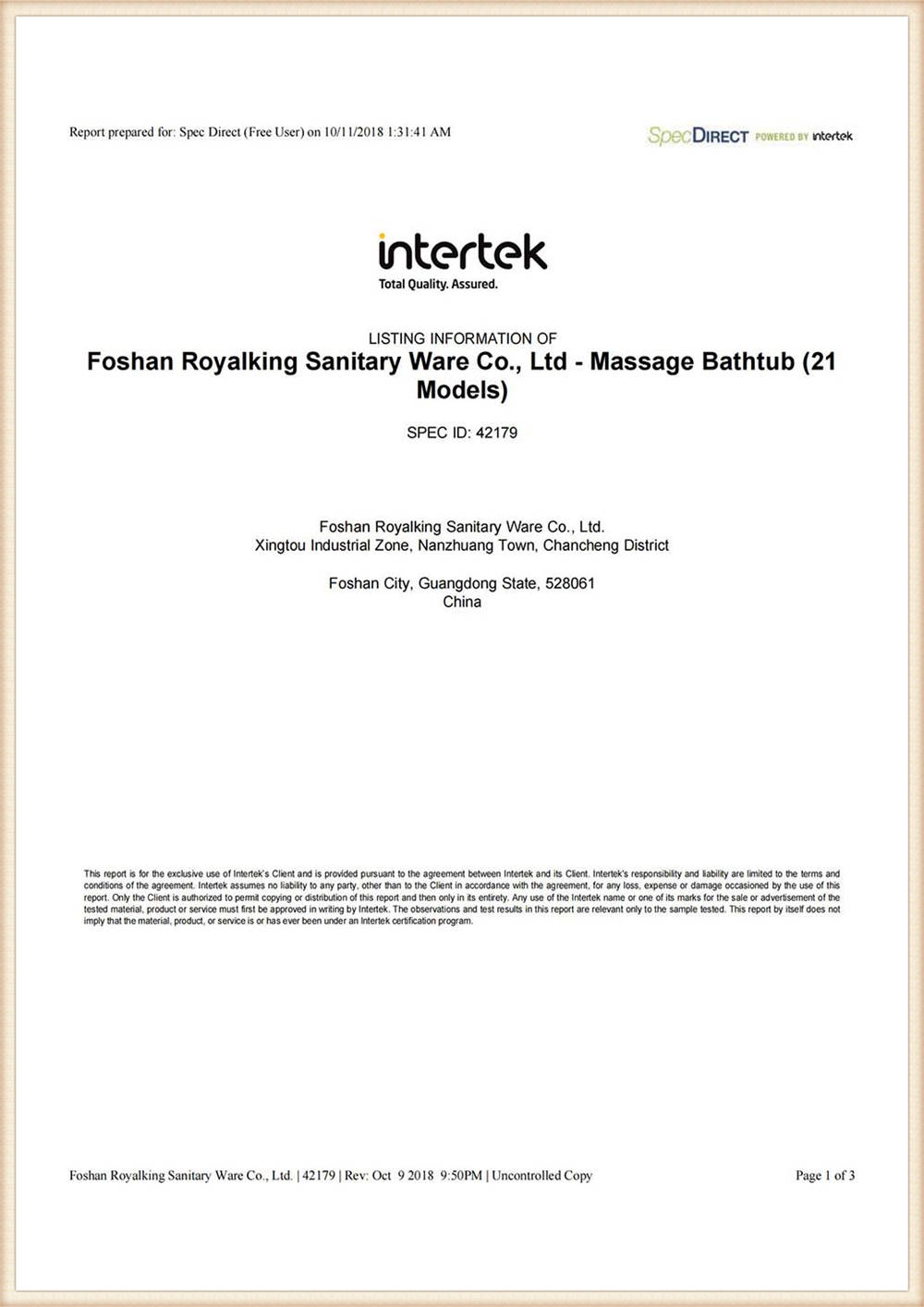
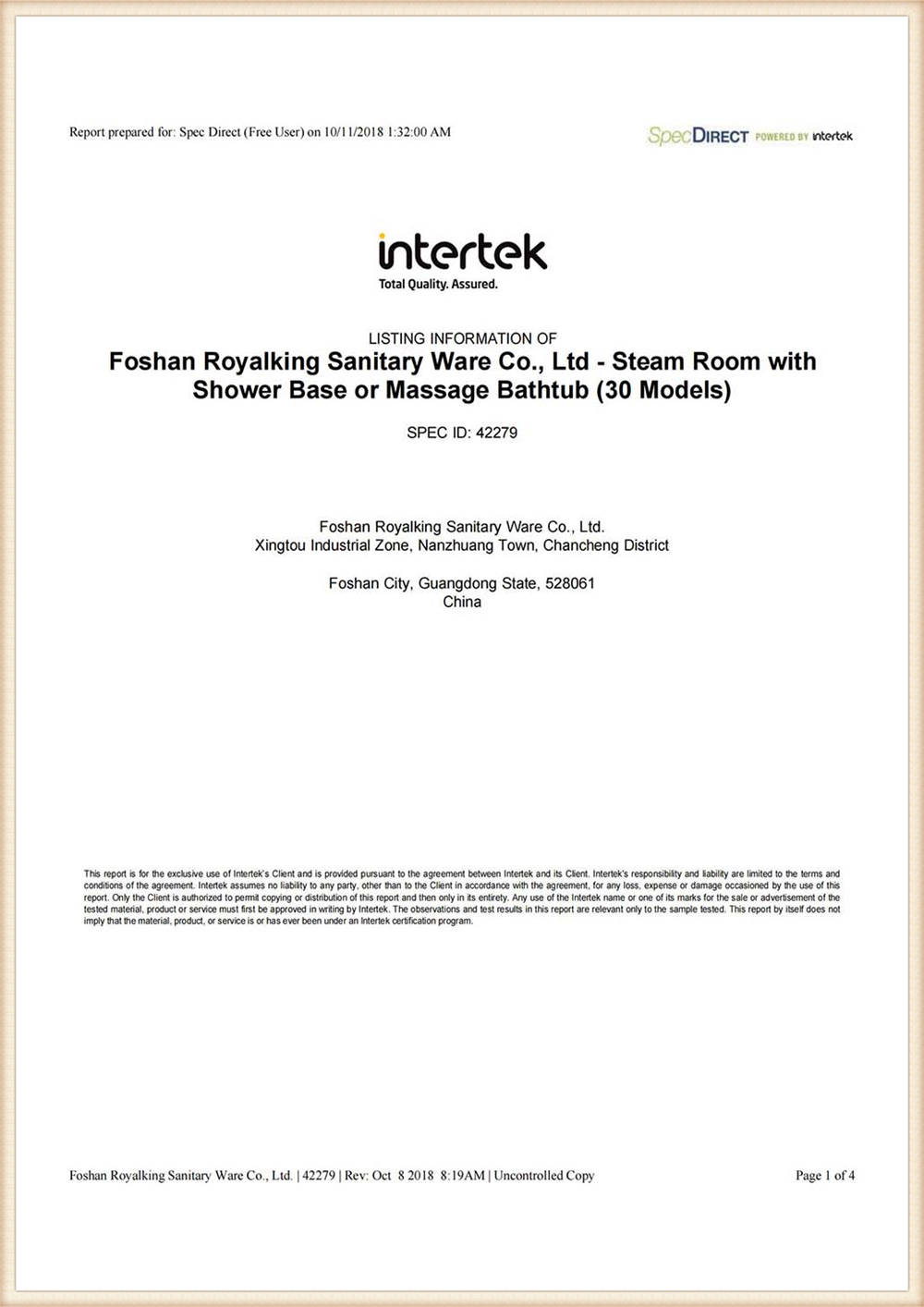
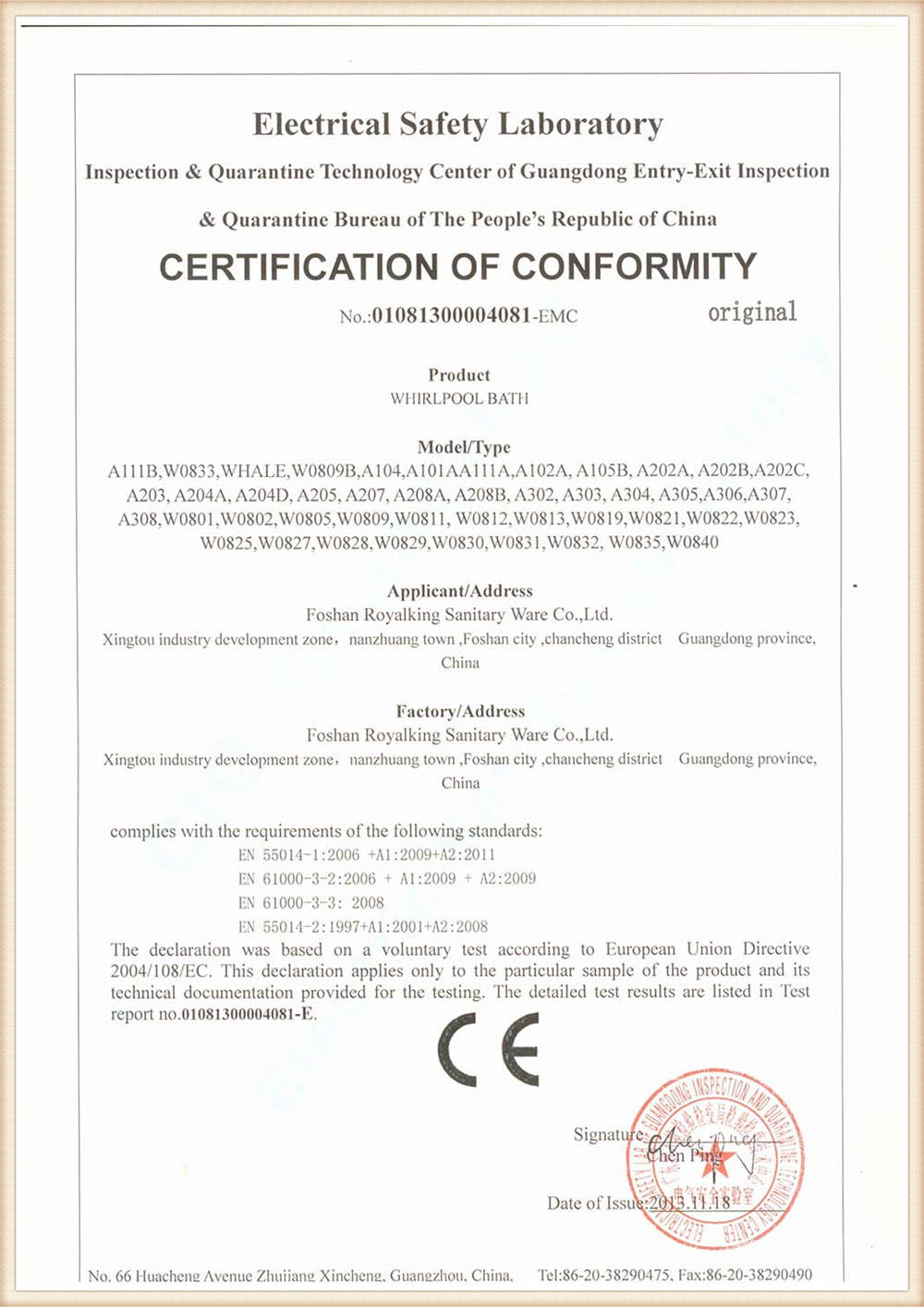
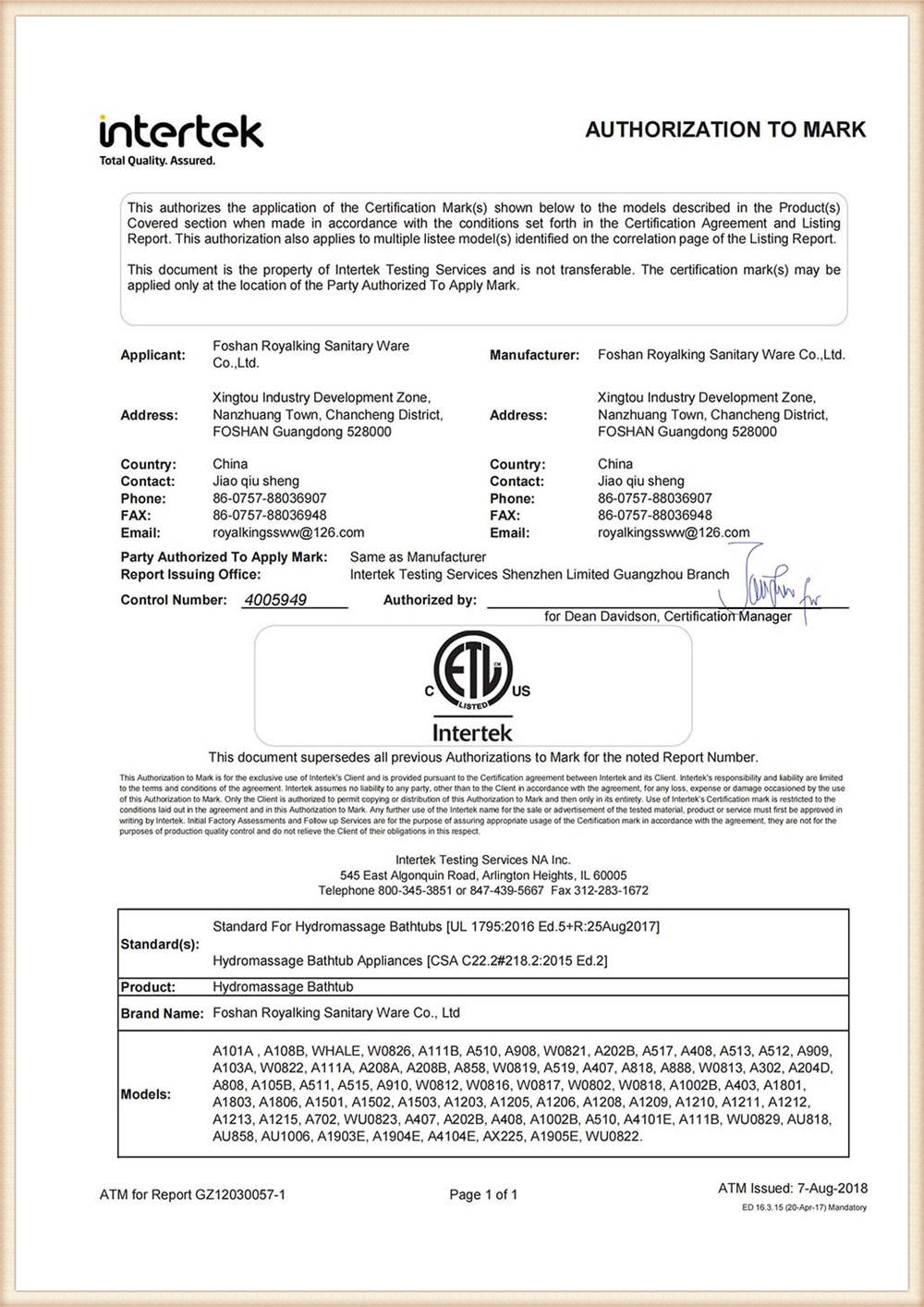
Based on a strict focus on R&D and internal management systems, SSWW pays high attention to efficiency and technology with excellent quality control throughout all stages of production to gain customer satisfaction. On the other hand, SSWW concentrates on creative work and has gained more than 200 patents in the intellectual property field as well as compliance with standards and norms such as ISO9001, CE, EN, ETL, SASO, and the vital North American cUPC certification.
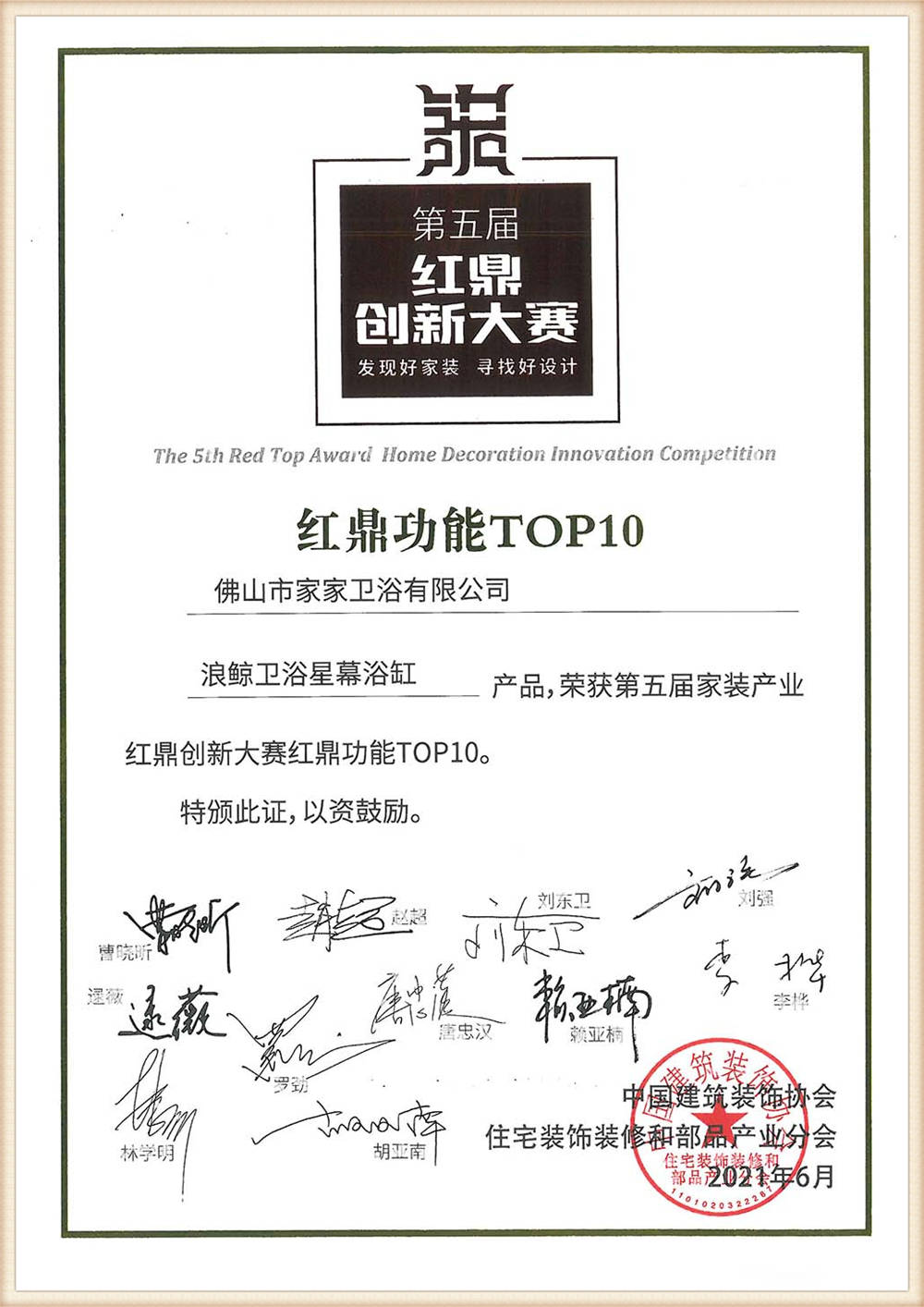
International Certificates

Navigating the Supply Chain: Choosing the Right Chinese Smart Toilet Partner
For American distributors, retailers, and contractors, importing smart toilets from China requires a partner who understands the nuances of the US market. The ideal supplier is not just a manufacturer but an active partner in regulatory compliance and after-sales support.
1. Certifications are Non-Negotiable: The US plumbing market is heavily regulated. A smart toilet must have cUPC (Uniform Plumbing Code) certification to ensure it complies with US safety and performance standards. Electrical components must be UL (Underwriters Laboratories) or ETL listed. Partnering with certified manufacturers like SSWW ensures that products can be legally installed in commercial and residential projects across all US states.
2. OEM/ODM Customization Capabilities: The aesthetic preferences of American consumers often lean toward minimalist, streamlined designs. Suppliers must offer customization options (ODM) to tailor toilet height (ADA compliance for accessibility), flush systems (gravity vs. siphon jet), and remote control interfaces to match local consumer tastes.
3. Reliable Technical Support & Spare Parts: Smart toilets contain delicate electronic components, including heating elements, circuit boards, and sensors. A reliable exporter must provide a clear warranty policy, comprehensive technical installation guides, and a steady supply of replacement parts to local distributors in the US.
As the market continues to expand, Chinese smart toilet exporters are setting up local warehouses and service centers in the United States to reduce lead times and improve customer service. This hybrid approach—combining world-class manufacturing in China with localized logistics and support in the US—is the key to long-term success in the highly competitive American market.
Complete Bathroom Collection
Browse our full catalog of premium bathtubs, faucets, and integrated shower systems designed to complement modern smart bathrooms.