The Italian Ceramic Basin Industry: A Heritage of Excellence and Innovation
Italy has long been recognized as the global epicenter of design, fashion, and architectural innovation. Within this landscape, Italian ceramic basin suppliers and exporters hold a prestigious position, representing a unique blend of centuries-old artisanal craftsmanship and state-of-the-art industrial technology. The Italian sanitary ware sector, particularly concentrated in regions like Lazio (specifically the Civita Castellana district) and Emilia-Romagna, has set the benchmark for luxury bathrooms worldwide. These hubs are home to manufacturers who transform simple clay into exquisite pieces of functional art, supplying high-end residential, commercial, and hospitality projects globally.
The commercial landscape of ceramic basin distribution in Italy is characterized by a strong emphasis on exporting. Italian exporters cater to demanding markets across Northern Europe, North America, the Middle East, and Asia. In these regions, the label "Made in Italy" or design collaborations with Italian studios are synonymous with unmatched aesthetic refinement, durability, and technological innovation. Local suppliers in Italy operate within a highly competitive ecosystem, forcing them to continuously innovate in terms of material composition, glaze technology, and ecological sustainability. This dynamic environment ensures that Italian sanitary ware remains at the cutting edge of global interior design trends.
Did You Know?
The Civita Castellana industrial district in Italy produces a major share of the domestic ceramic sanitary ware. This cluster relies on highly specialized supply chains, ranging from raw material processing to advanced kiln manufacturing, making it a critical hub for global bathroom design inspiration.
Key Trends Shaping the Ceramic Basin Market
The global ceramic basin market is undergoing a rapid transformation, driven by changing consumer preferences and technological advancements. Italian suppliers and exporters are at the forefront of these shifts, adapting their product portfolios to meet modern demands. Below are the key trends defining the industry today:
1. Ultra-Thin Edges and High-Strength Ceramic Formulations
Traditional ceramic basins required thick walls to maintain structural integrity during the firing process. However, modern architectural trends demand minimalist, sleek, and sharp lines. To achieve this, leading manufacturers have developed patented ceramic materials containing alumina, titanium, and other mineral additives. These advanced formulas allow for the creation of basins with ultra-thin edges (often just 3mm to 5mm thick) without compromising on impact resistance or durability.
2. Sustainable and Eco-Friendly Production Systems
Sustainability is no longer optional in the European market. Italian suppliers are investing heavily in eco-friendly manufacturing processes. This includes the use of energy-efficient shuttle kilns, water recycling systems that achieve close to zero-discharge in production, and the integration of recycled pre-consumer ceramic waste back into the clay body. Furthermore, the focus has shifted toward creating basins that facilitate water conservation when paired with smart, sensor-activated faucets.
3. Antibacterial Glazes and Self-Cleaning Surfaces
In a post-pandemic world, hygiene is paramount. The integration of silver ions and other antimicrobial agents directly into the ceramic glaze before firing has become a major trend. These specialized glazes inhibit the growth of bacteria and mold, reduce lime-scale buildup, and make the basins incredibly easy to clean with minimal chemical detergents. This technology is highly sought after by commercial developers and luxury hotel operators.
4. Matte Finishes and Earthy Color Palettes
While classic glossy white remains a staple, there is a growing demand for matte finishes and warm, natural tones. Ceramic basins in matte black, anthracite, sage green, sand, and terracotta are increasingly common in contemporary Italian bathroom designs. Exporters are seeing a surge in orders for these colored ceramics, which allow designers to create cohesive, organic, and spa-like environments.
Localized Application Scenarios: Bringing Italian Spaces to Life
Ceramic basins are not just functional fixtures; they are central design elements that define the character of a space. In Italy, the diverse architectural landscape demands versatile and highly specialized basin solutions:
Historic Renovations in Milan and Florence
Italy is famous for its historic buildings, apartments, and villas. Renovating these spaces requires a delicate balance between preserving heritage structures and introducing modern comforts. Wall-mounted or console ceramic basins with classic, clean profiles are highly popular here. They offer a nod to traditional aesthetics while utilizing modern, lightweight materials that do not put excessive strain on older masonry walls.
Luxury Resorts along the Amalfi Coast
For high-end hospitality venues, the bathroom is a key selling point. Countertop vessel basins in organic shapes—resembling smoothed river stones or delicate shells—are frequently specified for coastal boutique hotels. These installations are paired with natural stone countertops and brushed gold or brass hardware, creating an atmosphere of relaxed, Mediterranean luxury that guests expect.
Compact Urban Apartments in Rome
Space is at a premium in historic city centers. Italian designers excel at maximizing small spaces, driving demand for compact, semi-recessed, or corner ceramic basins. These products must deliver full functionality within a minimized footprint, often featuring integrated ledges for soap dispensers and compact faucet configurations.
High-Traffic Commercial Hubs
In modern Italian commercial spaces, airports, and corporate headquarters, durability and ease of maintenance are the top priorities. Under-counter ceramic basins are the preferred choice, seamlessly integrated with quartz or solid-surface countertops. This configuration allows for quick cleaning and offers a sleek, continuous surface that handles heavy daily use.
Corporate Profile & Manufacturing Capabilities
- 📍 Location: Foshan City, Guangdong province, China
- 🏢 Business Type: Manufacturer
- 📅 Year Established: 1994
- 👥 Total Employees: 1001-1500 people
- 💰 Total Annual Revenue: 150-170 million USD
- 🚢 Export Percentage: 10%
- 🛁 Main Products: Massage bathtub, free standing bathtub, steam cabin, shower enclosure, ceramic toilet/basin, bathroom cabinet, hardware
- 🌍 Major Markets: Europe, Middle East, North America, South America, North Africa, South Africa, South Asia, Domestic market
FACTORY & SHOWROOM
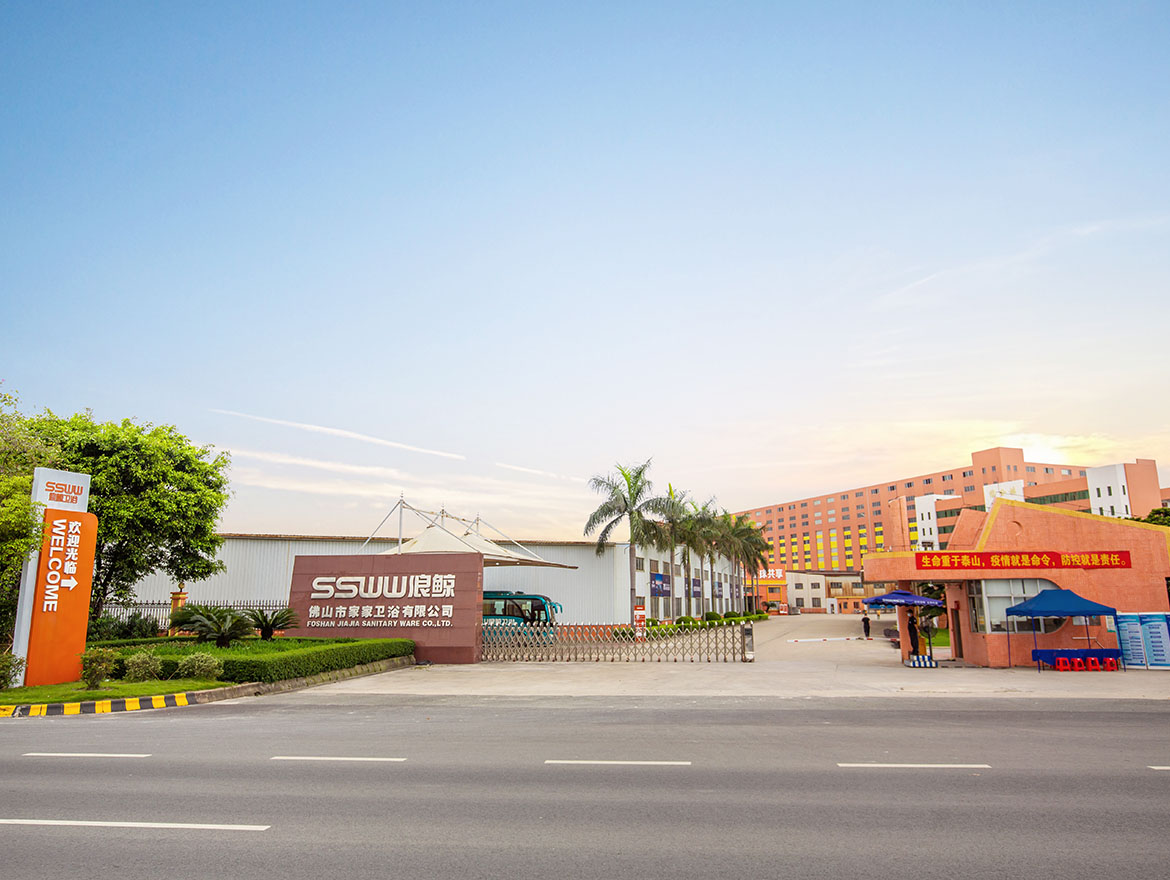
Standing for Splendid Sanitary Ware World, the SSWW brand has become increasingly popular in both domestic and overseas markets. This success is driven by continuous investment from Foshan Royalking Sanitary Ware Co., Ltd., a professional manufacturer specialized in comprehensive bathroom solutions for decades.
As one of the largest integrated sanitary ware manufacturers in China, SSWW currently operates 2 large production bases with over 1000 employees. The facilities cover more than 150,000 square meters and house 6 chain-related factories manufacturing massage bathtubs, steam cabins, ceramic toilets, ceramic basins, shower enclosures, bathroom cabinets, hardware fittings, and accessories.
With rapid development over the years, SSWW has expanded to over 1,500 shops and showrooms in mainland China. The brand has successfully extended its sales footprint to 107 countries and regions worldwide, including Germany, Switzerland, the USA, Russia, the UK, and Poland.
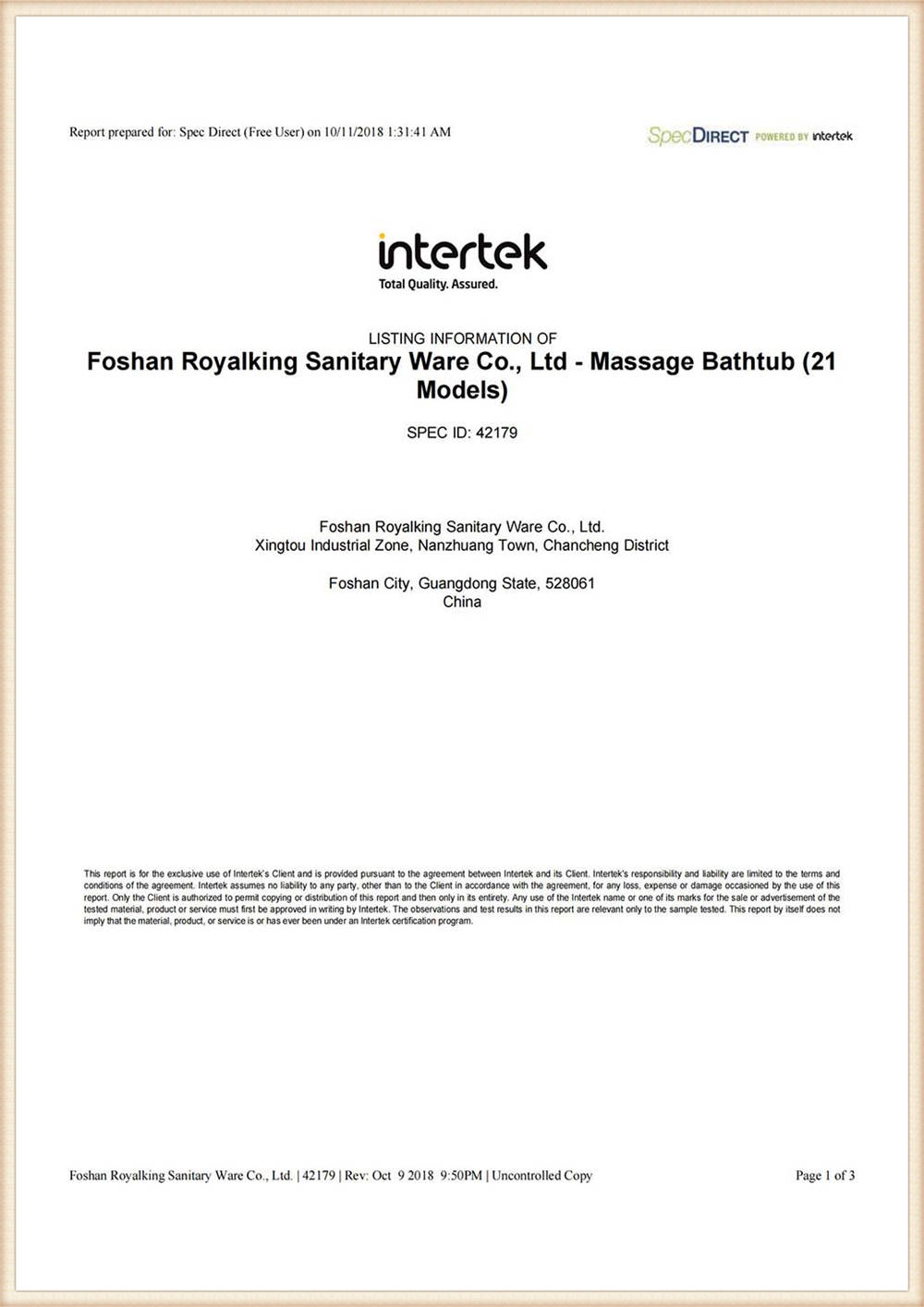
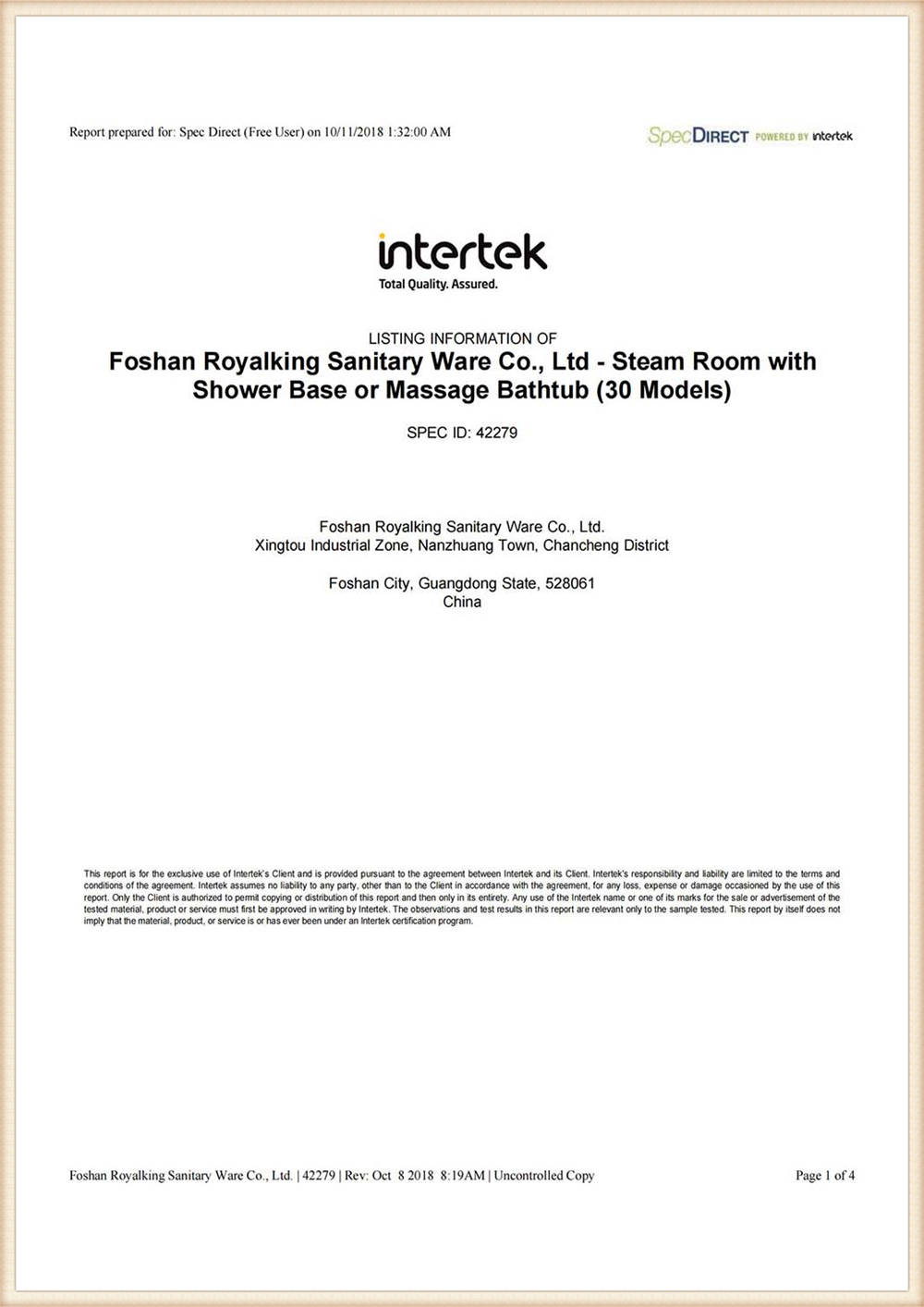
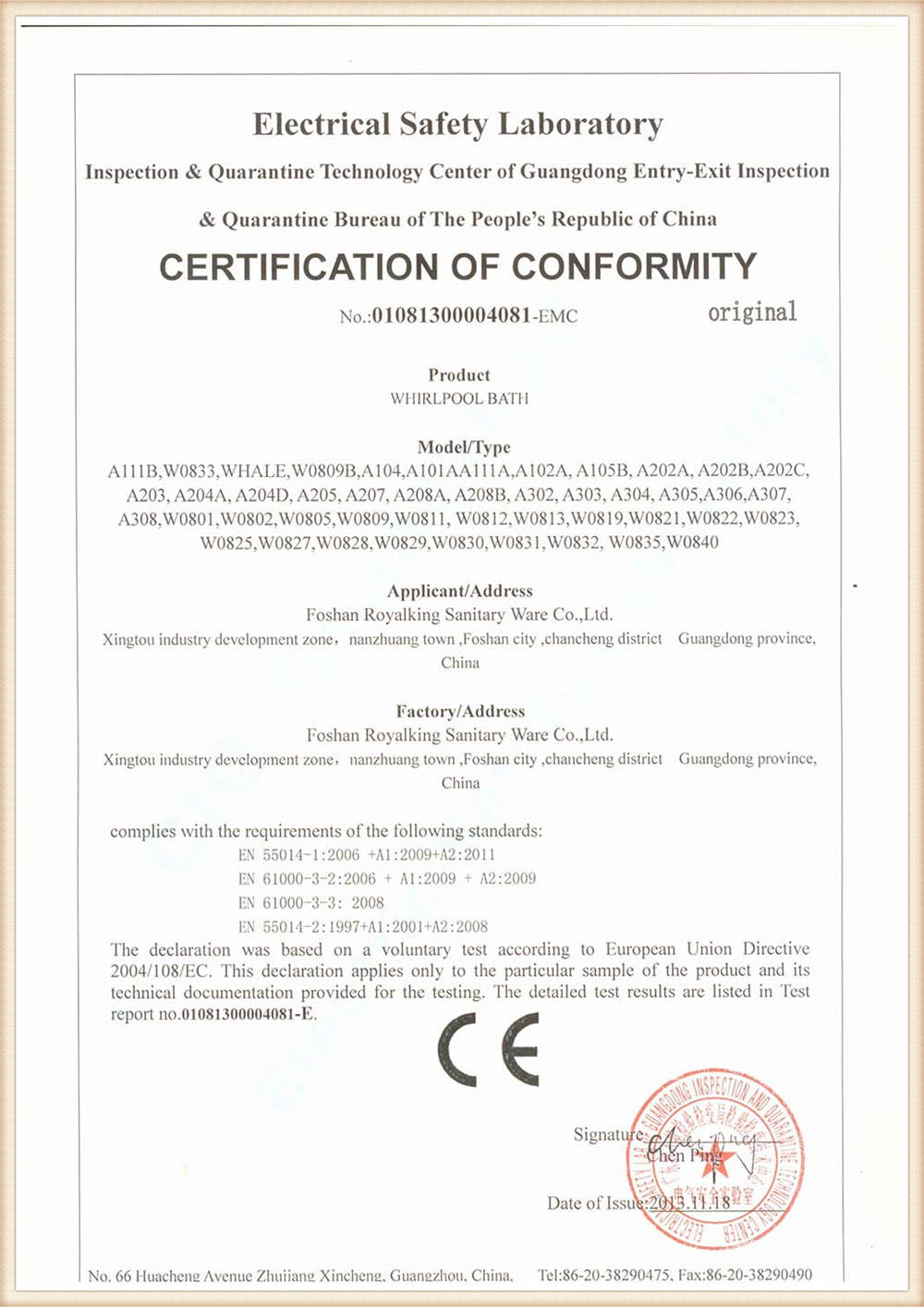
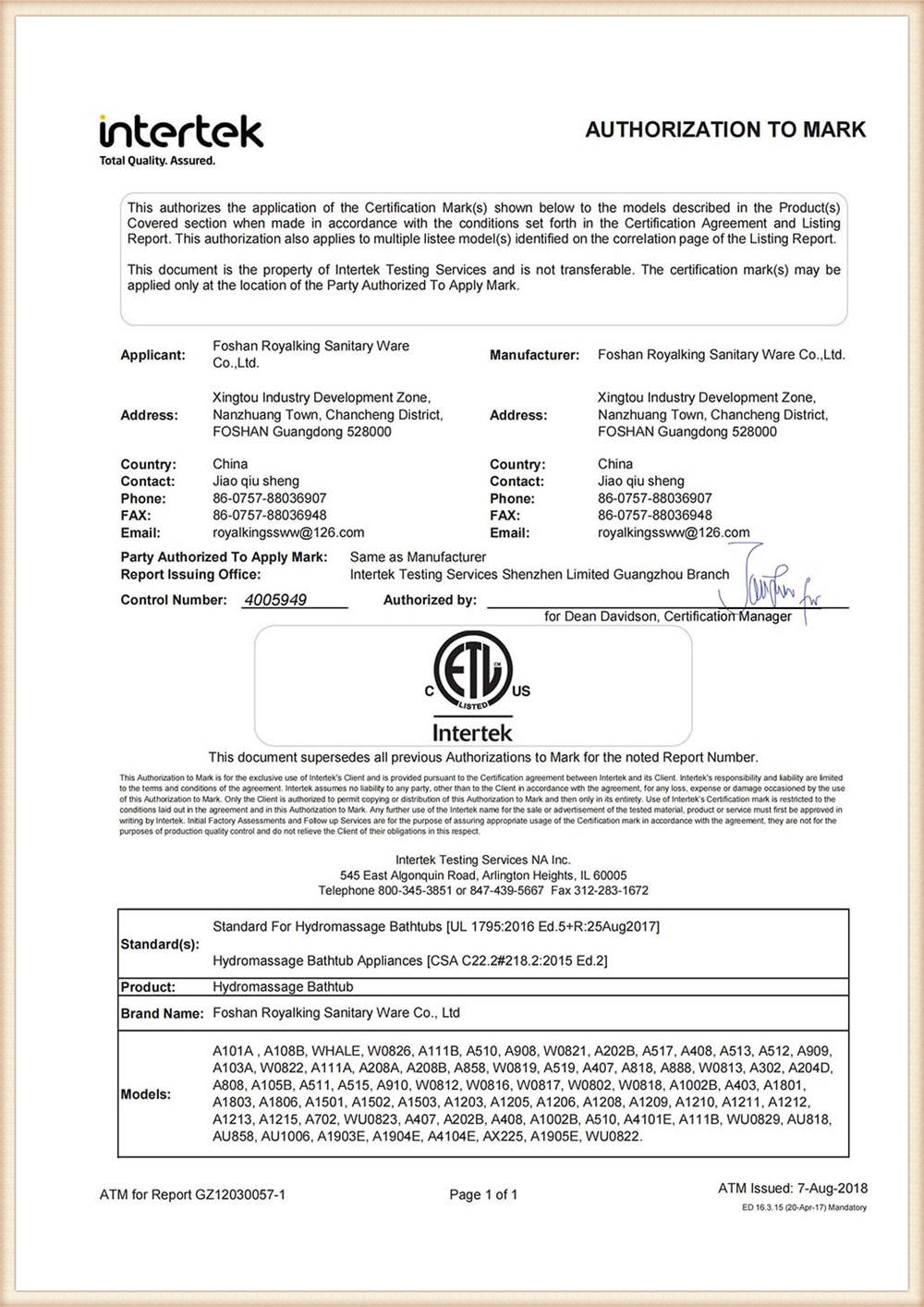
By focusing strictly on research and development alongside a rigorous internal management system, SSWW prioritizes efficiency and technology. Excellent quality control across all production stages ensures high customer satisfaction. Additionally, SSWW is dedicated to creative innovation, holding more than 200 patents in the intellectual property field. The company meets international standards and certifications, including ISO9001, CE, EN, ETL, SASO, and more.
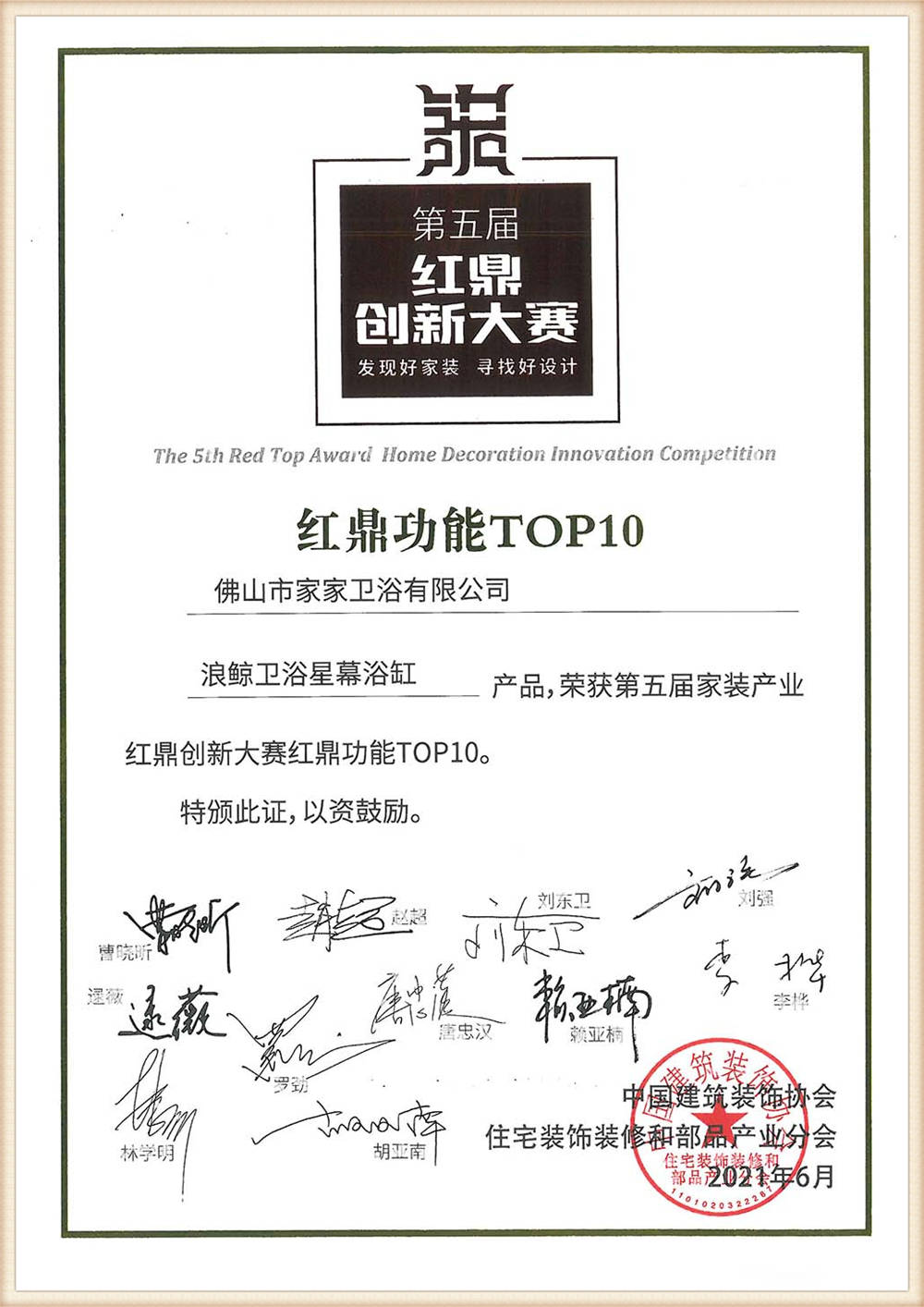
Quality Certifications & Compliance

Connecting Italian Design with Global Manufacturing Scale
In today’s globalized market, many Italian suppliers, developers, and distributors collaborate with advanced manufacturing centers like Foshan, China, to balance premium design with scalable production. Foshan is globally renowned for its ceramic production infrastructure. By combining the artistic direction and rigorous standards typical of Italian design with the cost efficiency, advanced logistics, and massive manufacturing capacity of partners like SSWW, businesses can deliver superior value to end customers.
This synergy allows exporters to supply top-tier projects with products that meet strict European quality standards (such as CE and EN certifications) while maintaining competitive lead times and pricing. Whether it is a high-volume residential development in Milan or a custom hotel project in Rome, the collaboration between Italian design sensibilities and state-of-the-art manufacturing ensures that every ceramic basin meets the highest expectations of beauty, function, and longevity.
Featured Sanitary Ware Solutions
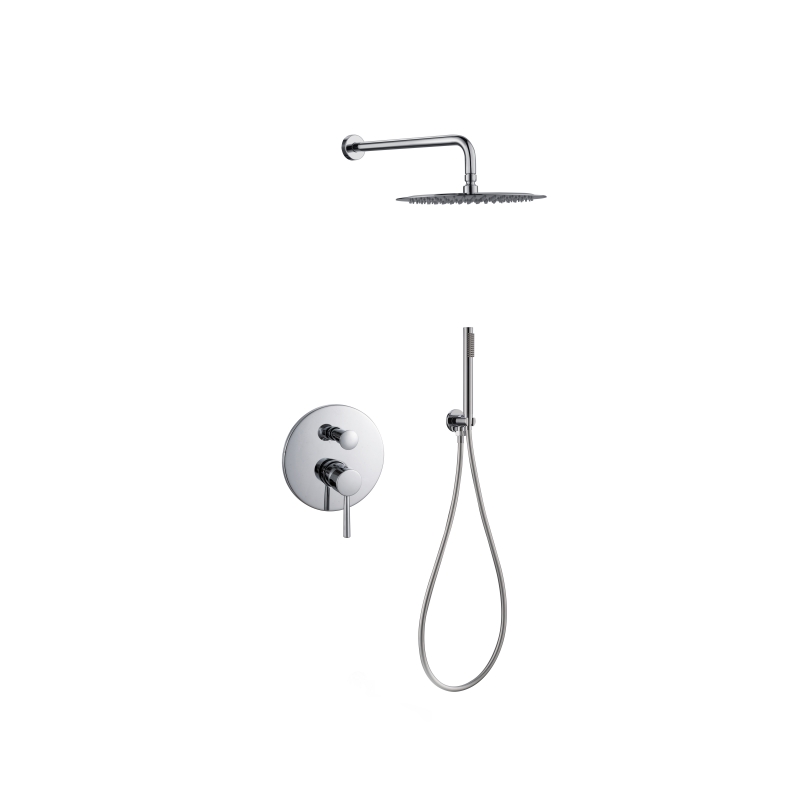
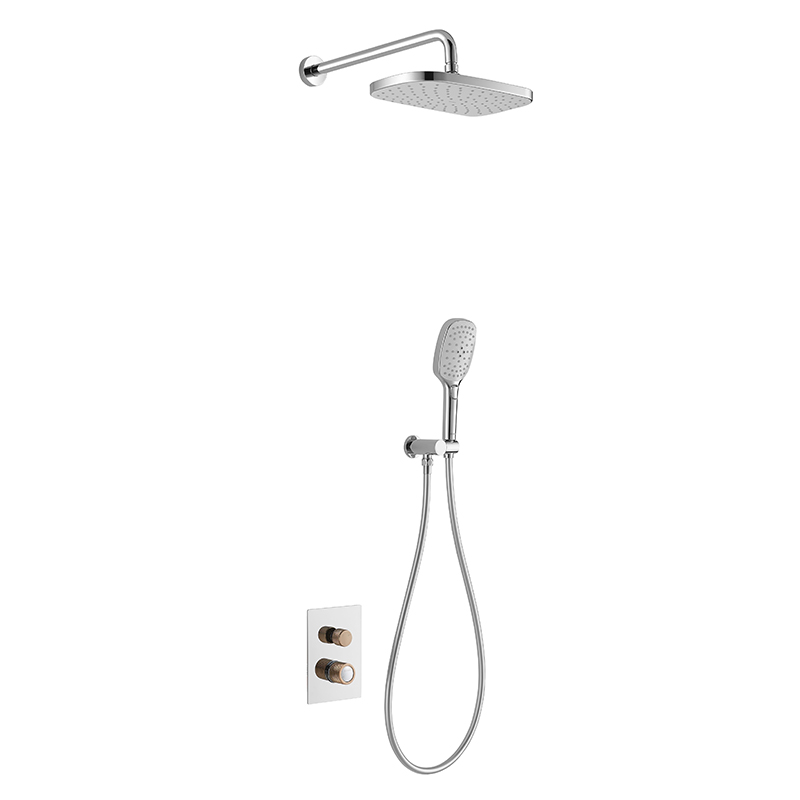
MULTIFUNCTION WALL MOUNTED SHOWER SET WFT53019
View Details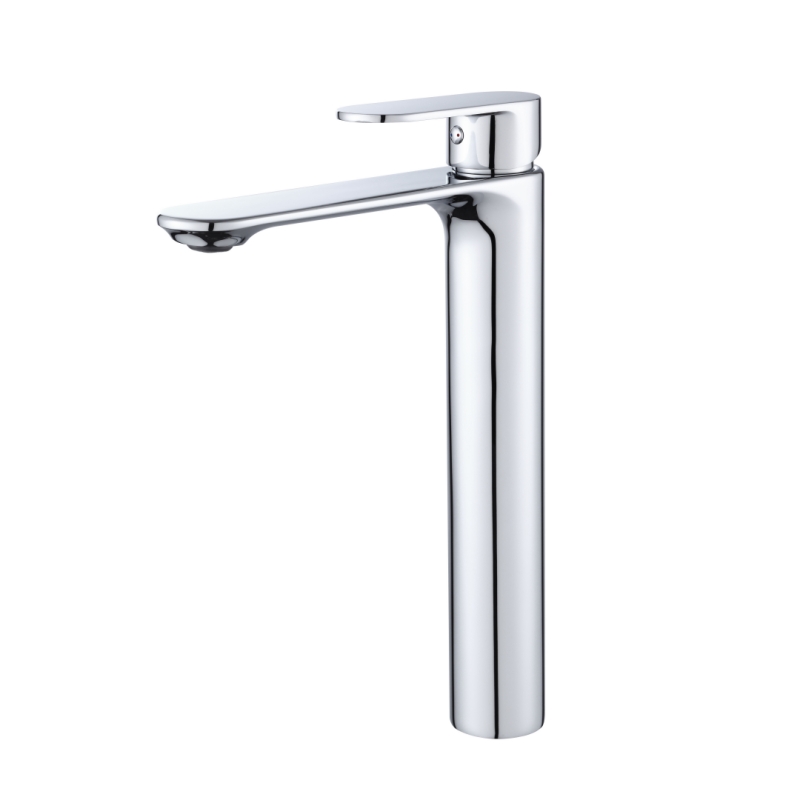
BASIN FAUCET-PISCES SERIES WFD11173
View Details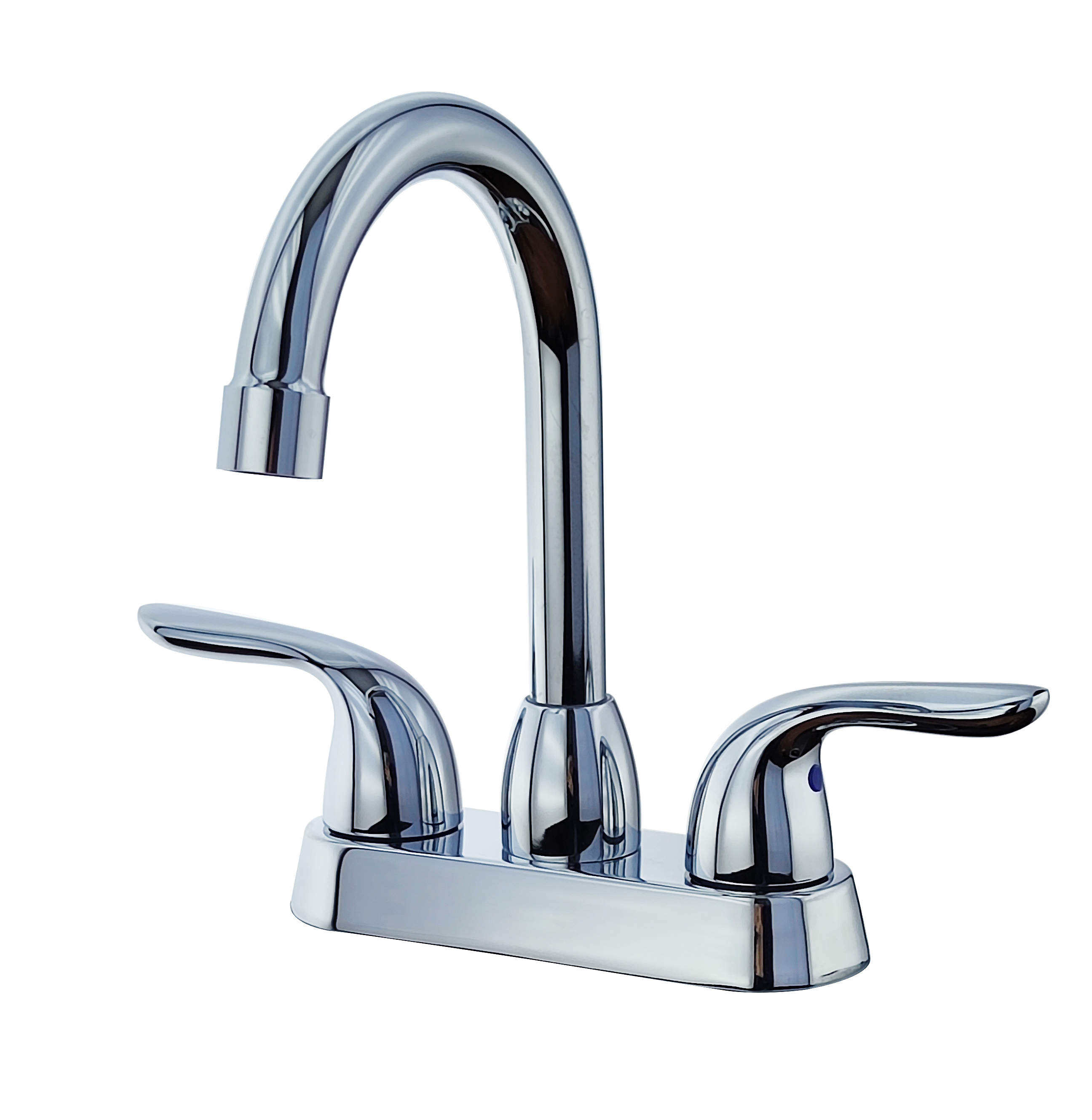
BASIN FAUCET WFD11136
View Details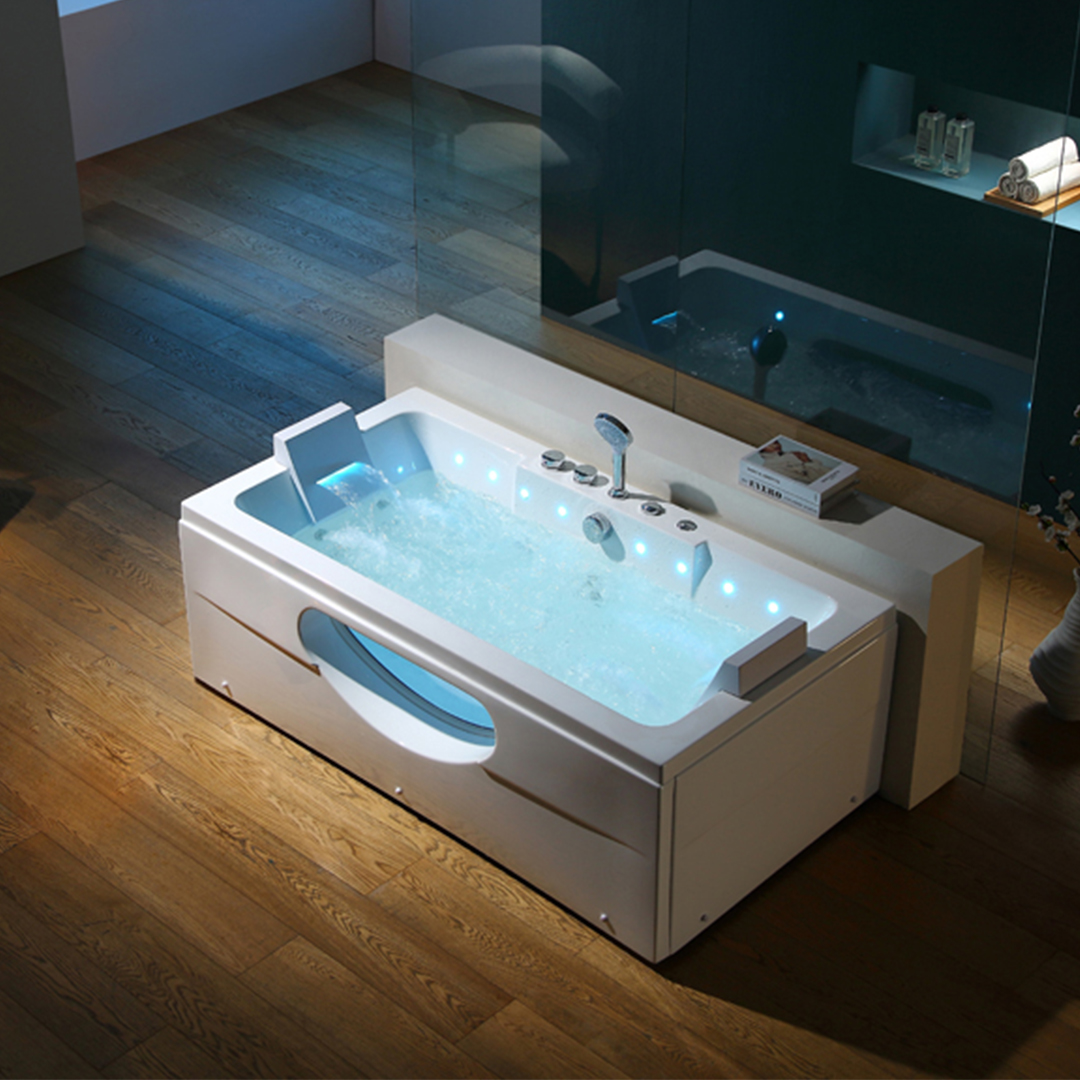
SSWW massage bathtub WA1019 for 1 person
View Details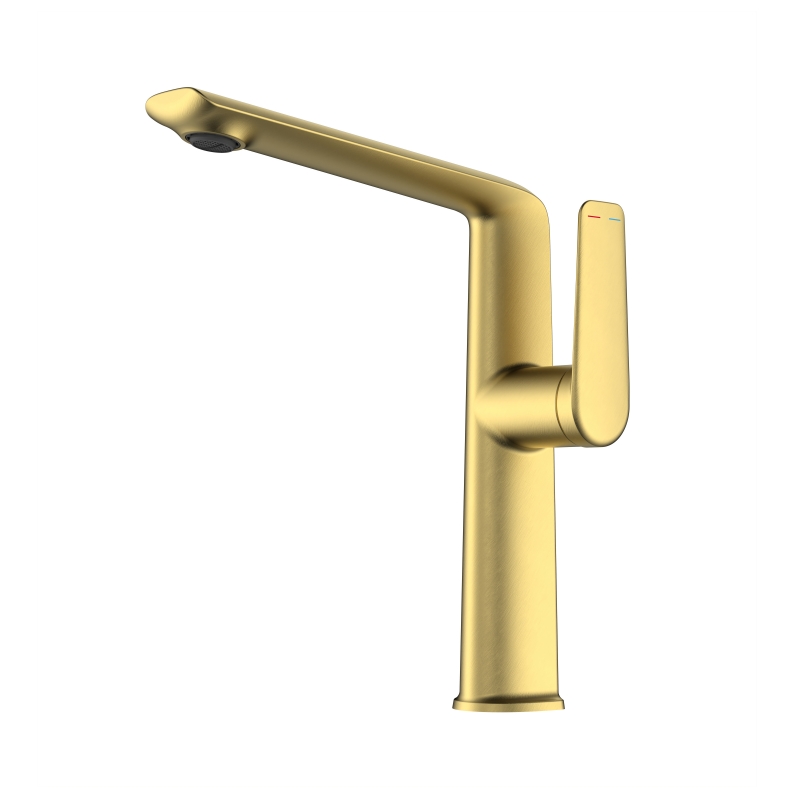
KITCHEN FAUCET WFD11252
View Details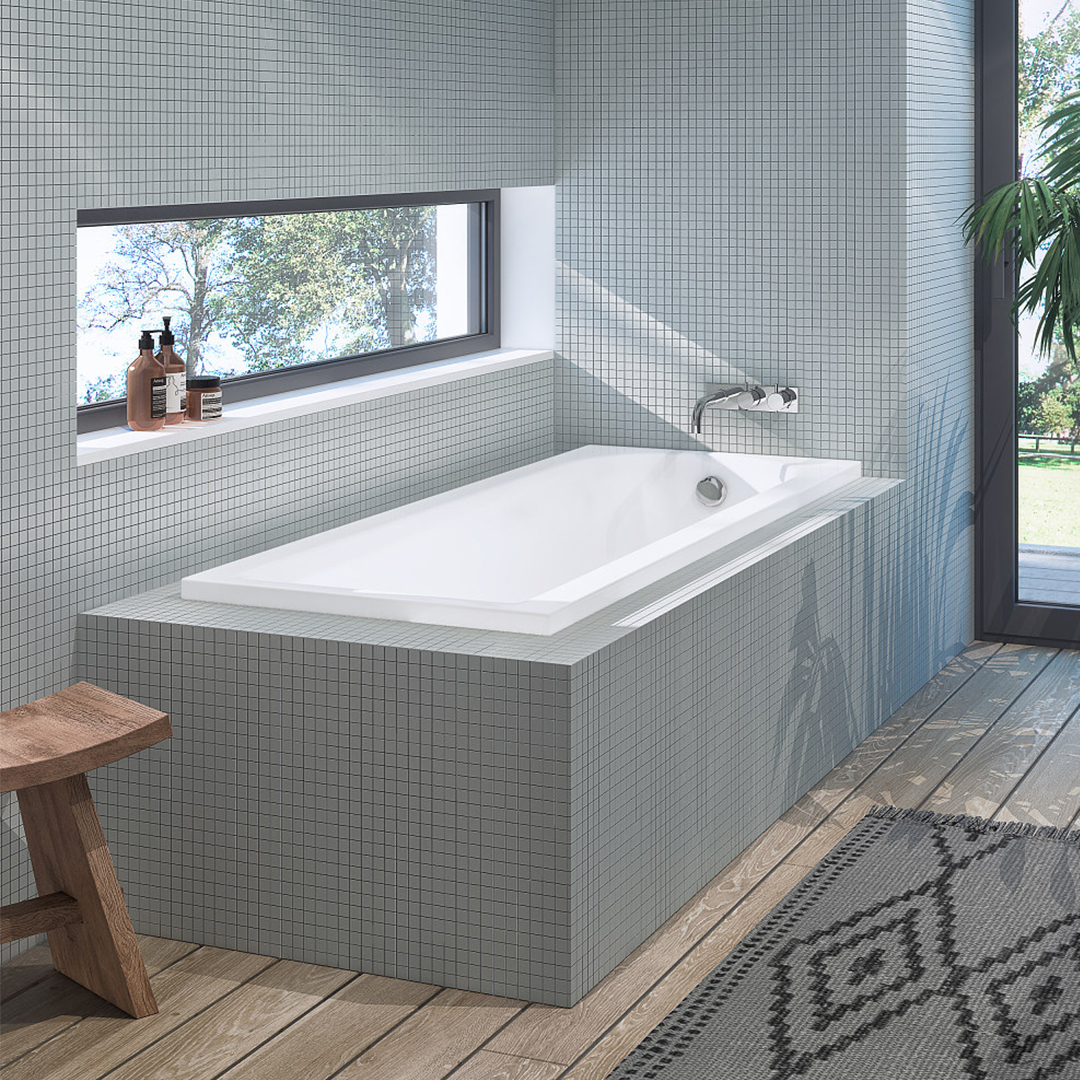
SSWW BUILT-IN BATHTUB WA1002 FOR 1 PERSON
View Details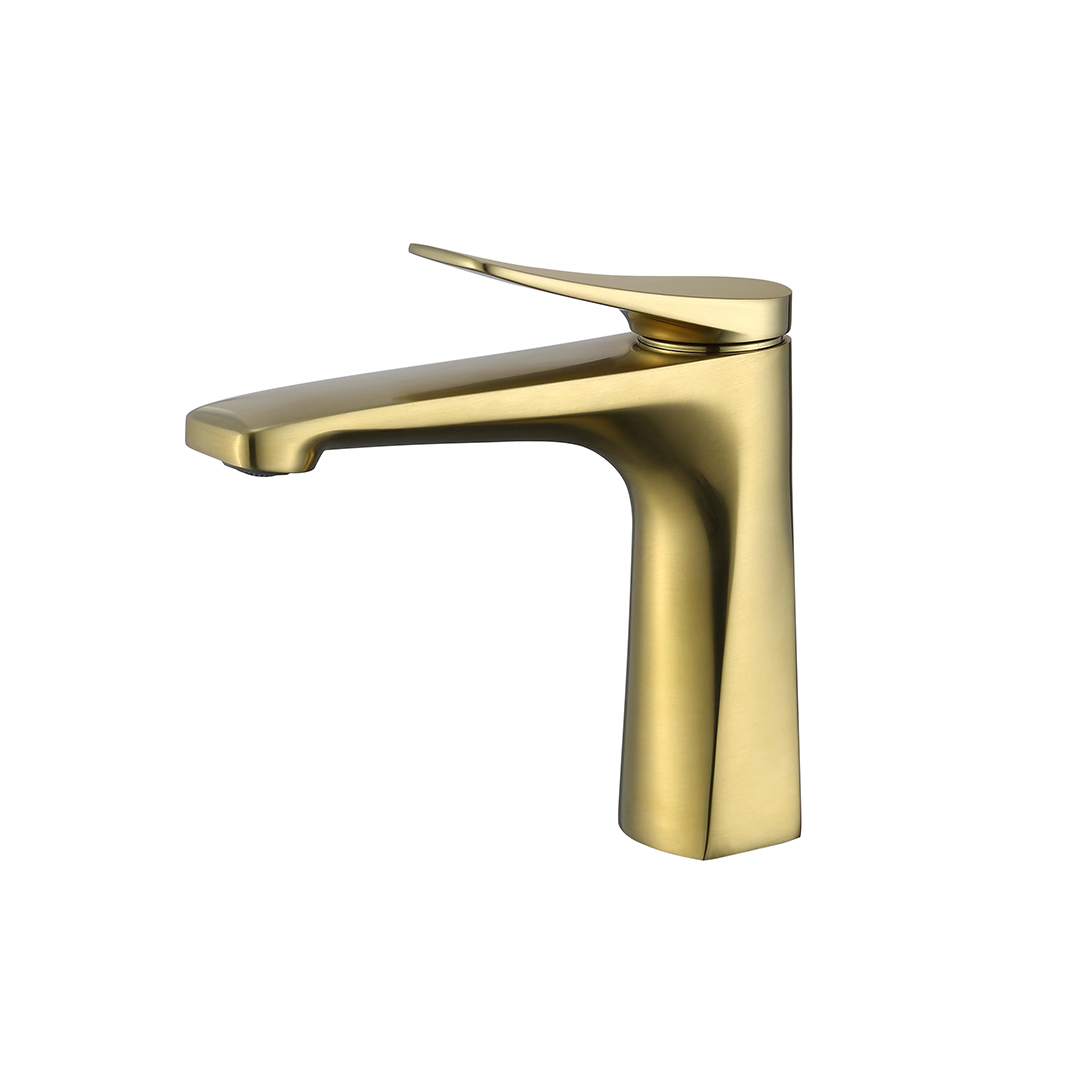
BASIN FAUCET-GENIMI SERIES WFD11074
View Details